




Where to Start When You Need More Living Space in Your House
Deciding to expand your footprint is a major milestone for any homeowner. Whether you are craving a quiet home office, a sun-drenched family room, or a suite for multi-generational living, the journey begins long before the first nail is driven. For residents in Central Jersey, the first step is identifying the right team to bring your vision to life. Working with building additions specialists in Edison NJ ensures that your project is handled with local expertise, taking into account the specific architectural styles and soil conditions prevalent in the area. By focusing on professional planning and high-quality craftsmanship, you can transform a cramped floor plan into a spacious sanctuary that perfectly fits your current lifestyle.
Assessing Your Property’s Potential
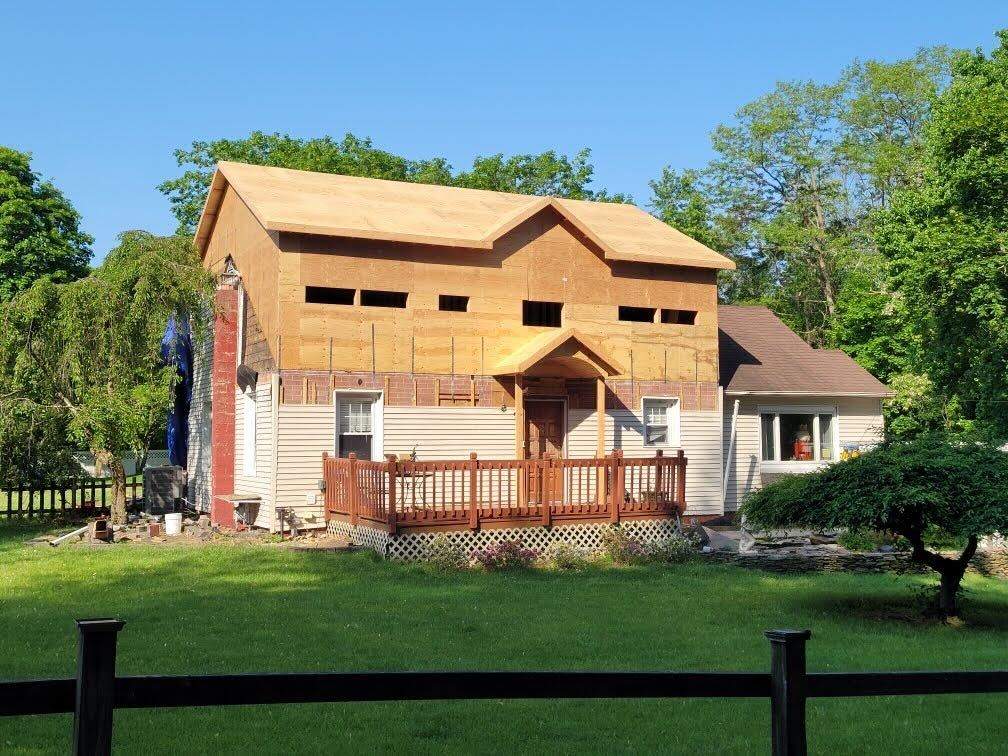
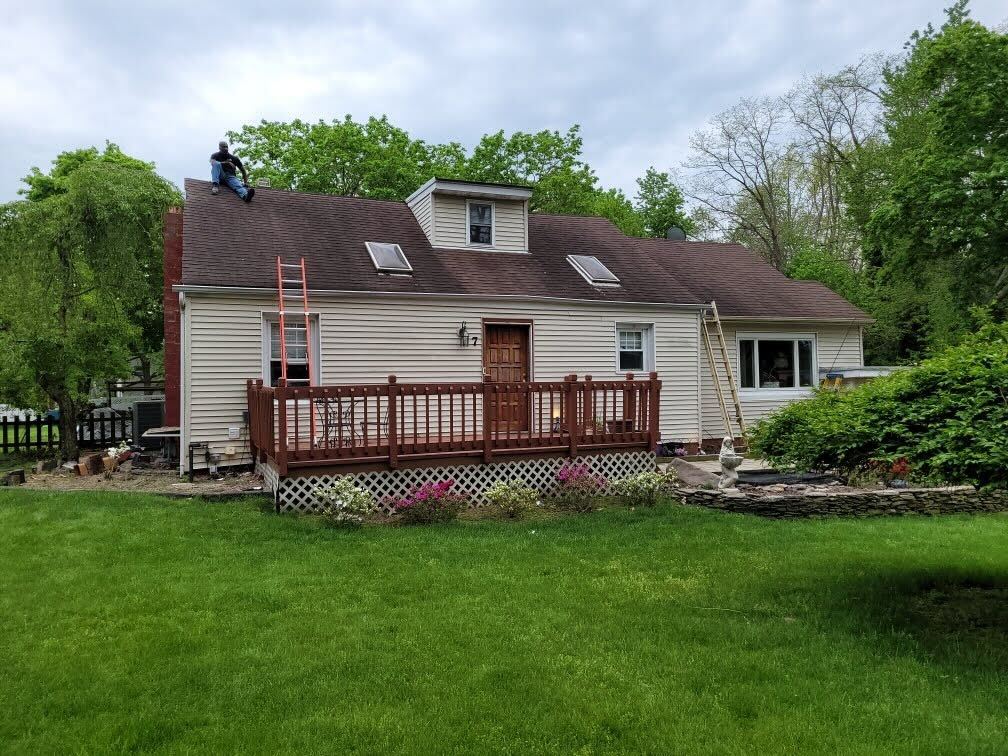
Before diving into blueprints, you must evaluate what your property will allow. Every residential lot has a “maximum lot coverage” ratio, which limits how much of your land can be covered by structures. If you live in a more densely populated part of town, you might find that expanding “up” with a second-story addition is more feasible than expanding “out” into the backyard.
You should also walk your property line to identify any easements—areas where utility companies or the municipality have the right to access underground pipes or wires. A professional site survey is often the best way to determine exactly where your new walls can stand without violating local ordinances.
Establishing a Realistic Budget and Scope
One of the most critical aspects of home remodeling is aligning your dreams with your bank account. A successful expansion requires a detailed line-item budget. Beyond the obvious costs of lumber and labor, you must account for:
- Structural Engineering: Ensuring your current foundation can support new weight.
- HVAC Integration: Determining if your current furnace and AC unit can heat and cool the additional square footage.
- Interior Finishing: Flooring, paint, trim, and lighting fixtures that match your existing home.
All About Additions recommends setting aside a contingency fund of at least 10-15% of the total project cost. This “buffer” is essential for addressing unforeseen issues, such as outdated wiring discovered inside old walls or necessary plumbing rerouting that wasn’t visible during the initial estimate.
Designing for Aesthetic Continuity
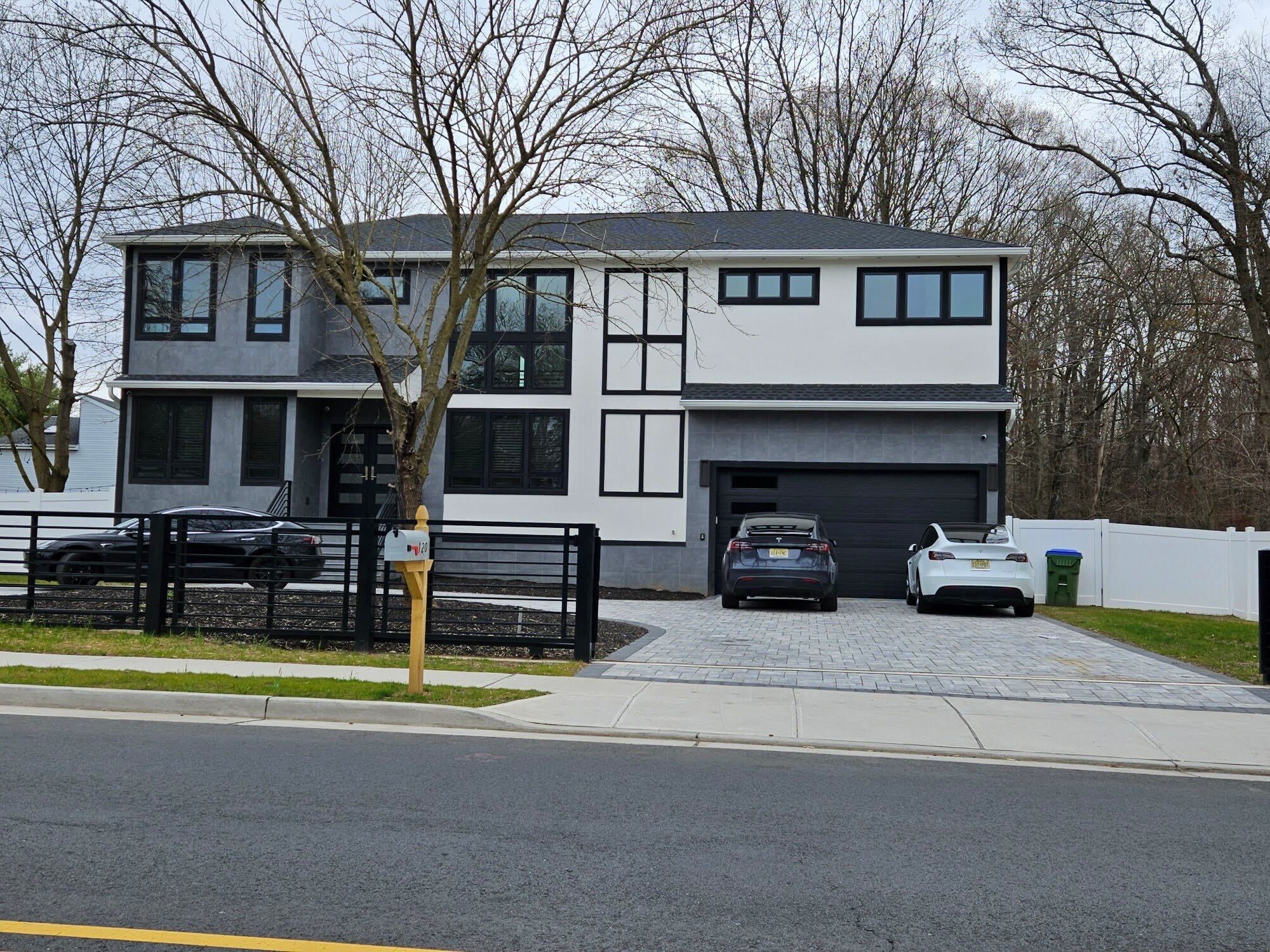
A poorly designed addition can look like a “box” stuck onto the side of a house, which can actually hurt your property value. To ensure a high return on investment, your new space should feature “seamless integration.” This means matching the roof pitch, the size of the windows, and even the texture of the siding to the original structure.
Many homeowners are now opting for open-concept floor plans during an expansion, knocking down interior walls to connect the new room with the kitchen or dining area. This creates a modern “great room” feel that is highly sought after in the current real estate market. Including custom home extensions tailored to your specific hobbies—like a dedicated media room or a home gym—can also add a unique touch of luxury.
Navigating Local Building Codes and Inspections
In Edison, the building department maintains strict safety standards. You will need to submit detailed architectural drawings for review before any construction begins. These plans must demonstrate compliance with the International Residential Code (IRC) as adopted by New Jersey.
During the build, expect several rounds of inspections. These typically occur after the foundation is poured, once the framing and “rough-in” plumbing/electric are complete, and finally, once the project is finished. These checks are your best defense against subpar workmanship and ensure that your new living space is safe for your family.
Managing the Construction Timeline
Many homeowners feel anxious about the duration of the build. A common question during the initial consultation is, how long does it take to complete a home expansion project? Generally, for a standard residential addition in this region, you should expect a timeframe of 4 to 6 months. This includes the demolition of existing structures, foundation work, framing, roofing, and interior finishing. However, weather delays during New Jersey winters or backordered materials can occasionally extend this window, so maintaining a flexible mindset is helpful.
The Role of Professional Project Management
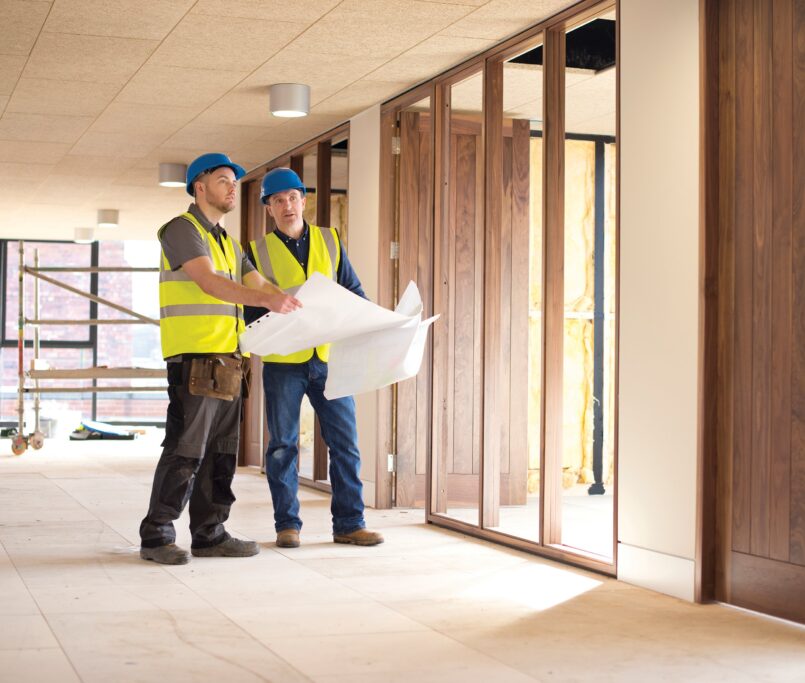
Attempting to act as your own general contractor can be overwhelming. Coordinating plumbers, electricians, painters, and tilers requires a deep Rolodex of reliable subcontractors. By hiring All About Additions, you gain a single point of contact who manages the schedule, ensures materials arrive on time, and maintains a clean job site. This professional oversight is often the difference between a project that finishes on time and one that drags on for a year.
Enhancing Value with Energy-Efficient Upgrades
While your home is under construction, it is the ideal time to invest in energy-efficient home improvements. Modern spray-foam insulation, high-performance windows, and LED lighting systems can significantly reduce the environmental footprint of your new space. In the long run, these upgrades pay for themselves through lower monthly energy bills and increased comfort during the peak of summer and the depths of winter.
Finalizing Your Vision
Once the dust settles and the final inspection is passed, the true reward begins. Moving your furniture into a brand-new, light-filled space changes the entire energy of a home. Whether you started the journey because you needed a nursery for a growing family or simply wanted more room to entertain guests, a well-executed home expansion is an investment in your quality of life. By starting with the right research and the best local partners, you can ensure your home grows alongside your needs.