




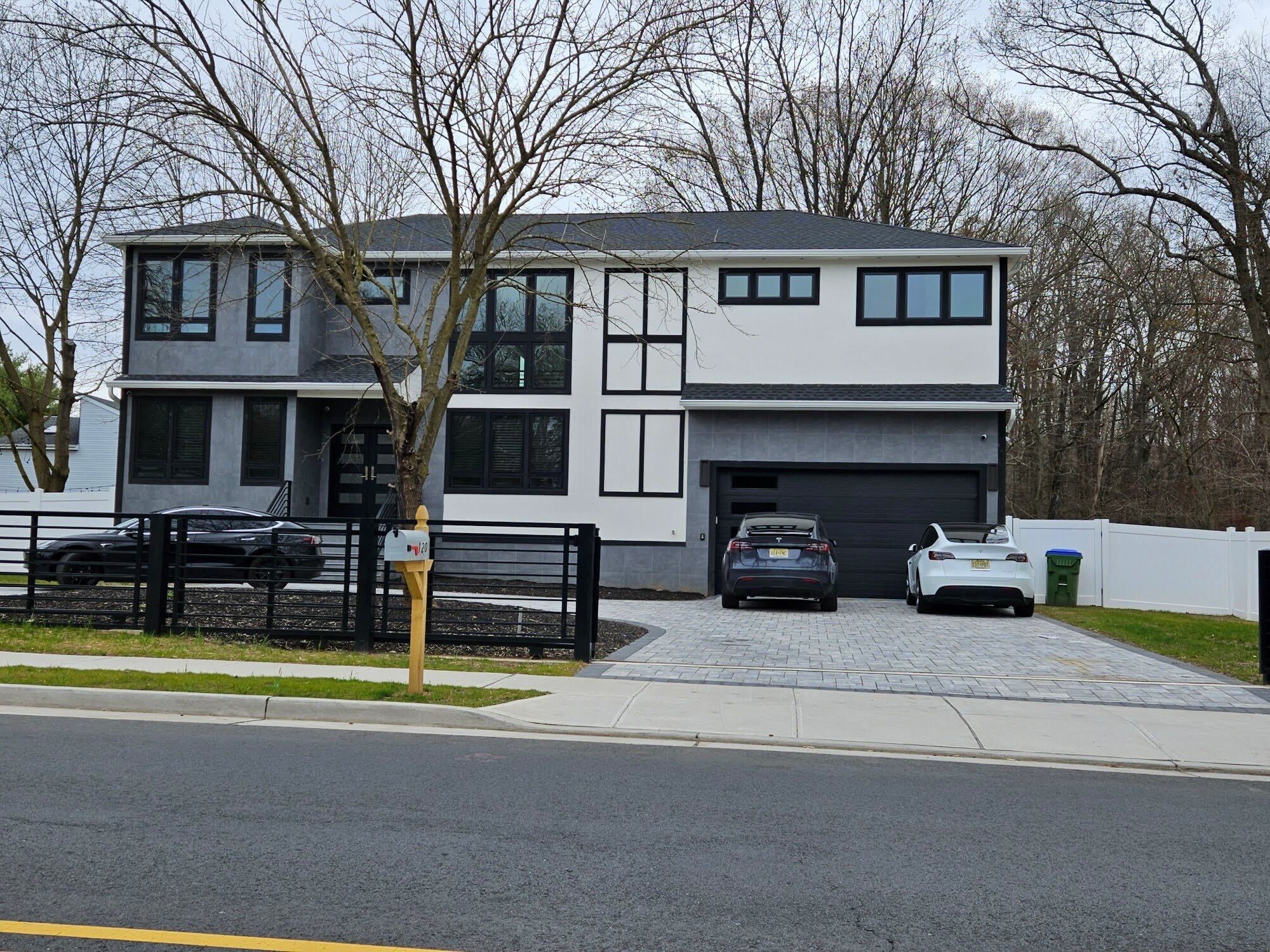
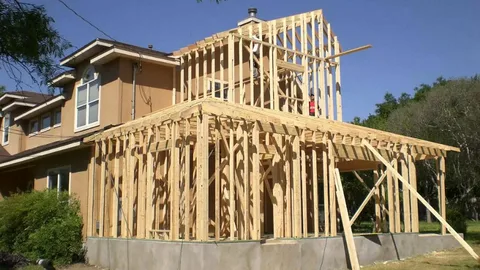
Budgeting Tips for a Successful Home Expansion
Planning a home expansion can be an exciting journey, whether you’re looking to add more living space, build a home office, or accommodate a growing family. However, the success of your project heavily depends on careful budgeting. For homeowners exploring Home Addition Services in Edison, NJ, it’s crucial to plan finances wisely to avoid costly mistakes and ensure smooth project execution.
Below are some practical budgeting tips to help you make the most of your home addition investment.
1. Define the Scope of the Expansion
Before diving into numbers, clarify what the expansion involves. Are you adding an extra bedroom, building a second story, or expanding your kitchen? Each type of addition comes with its own set of costs.
Consider:
- Square footage needed
- Structural changes (walls, roofing, foundation)
- Plumbing and electrical work
- Permit and inspection fees
The more precise you are about your needs and goals, the more accurate your budget will be.
2. Set a Realistic Budget Ceiling
Once the scope is defined, determine how much you can realistically afford to spend. It’s tempting to go all out, but overextending financially can lead to project delays or unfinished work. Use your savings, available equity, or financing options to assess your spending limit.
Pro Tip: Leave a 10–20% buffer in your budget for unexpected expenses like material price increases, labor delays, or hidden structural issues.
3. Get Multiple Estimates from Contractors
For those considering Home Addition Services in Edison, NJ, it’s wise to gather quotes from at least three licensed contractors. Prices can vary significantly depending on experience, quality of materials, and project timelines.
When reviewing estimates:
- Compare detailed breakdowns of labor, materials, and permits
- Ask about contingencies and what’s excluded
- Check reviews and references to assess credibility
4. Understand Permit and Legal Costs
Home additions often require permits, and the costs can vary by municipality. In Edison, NJ, you’ll need to account for building permits, zoning approvals, and possibly environmental assessments depending on the project’s size and location.
Consult your contractor or the local building department to understand:
- Required permits
- Time needed for approvals
- Inspection fees
- Any HOA guidelines or restrictions
Failing to plan for these can result in legal issues or project halts.
5. Prioritize Needs vs. Wants
It’s easy for home expansions to go over budget due to added features that weren’t initially planned. To stay on track, differentiate between “must-haves” and “nice-to-haves.”
Must-haves might include:
- Structural stability
- Proper insulation
- Energy-efficient windows
Nice-to-haves could be:
- Skylights
- Built-in cabinetry
- Premium flooring
Stick to essentials first. If funds remain, consider luxury touches later.
6. Plan for Temporary Living or Lifestyle Adjustments
Some expansions may require you to temporarily vacate parts of your home or adjust your daily routines. This might involve:
- Renting a short-term space
- Eating out more frequently
- Using alternative bathrooms or laundry facilities
Factor these temporary costs into your budget to avoid surprises.
7. Consider Long-Term Savings
Although upfront costs are critical, don’t ignore the long-term value and savings potential of your expansion. Energy-efficient windows, insulation, and appliances might cost more initially but lead to significant savings on utility bills.
Additionally, a well-designed home addition can increase your property’s resale value, giving you a return on investment when it’s time to sell.
8. Review Financing Options Carefully
If you need to borrow money for your project, compare financing options such as:
- Home equity loans
- HELOCs (Home Equity Line of Credit)
- Personal loans
- Construction loans
Pay attention to:
- Interest rates
- Loan terms
- Repayment schedules
Avoid predatory lenders or high-interest loans that could strain your finances long term.
9. Budget for Finishing Touches
It’s common to forget about finishing details like painting, furniture, fixtures, and landscaping. These items can quickly add up, especially after construction eats up most of your funds.
Create a separate budget for:
- Interior design and décor
- Final cleaning services
- Exterior upgrades
Including these costs upfront ensures a polished, livable space once construction ends.
10. Regularly Track and Adjust Your Budget
A static budget can easily be thrown off by minor miscalculations or unexpected developments. Instead, treat your budget as a living document. Update it regularly as estimates change, materials are ordered, and invoices are paid.
Use budgeting tools or spreadsheets to track:
- Invoices
- Payments
- Receipts
- Progress milestones
Regular oversight will help you catch issues early and keep your project aligned with financial goals.
Conclusion
Home expansions are a major investment, but with careful planning and smart budgeting, they can significantly enhance your living space and property value. Whether you’re working with local contractors or specialized Home Addition Services in Edison, NJ, taking time to understand the financial aspects will ensure a successful and stress-free project.
Remember to plan thoroughly, stay flexible, and always leave room for the unexpected. With these budgeting tips, you’ll be well on your way to expanding your dream home without breaking the bank.