




The Pros and Cons of Building Up vs. Building Out
When homeowners decide to expand their living space, they often face a major decision: should they build up or build out? Whether it’s to accommodate a growing family or to add new functionality to their home, the route they choose can significantly affect their budget, timeline, and lifestyle. If you’re exploring your options and looking for Home Addition Services in Edison, NJ, it’s crucial to understand the advantages and drawbacks of both approaches before making a decision.
Below, we explore the key differences between building up and building out, helping you determine the best fit for your property and goals.
Understanding the Basics: Building Up vs. Building Out
Before diving into the pros and cons, let’s clarify what these terms mean:
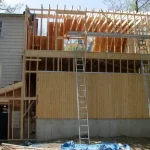
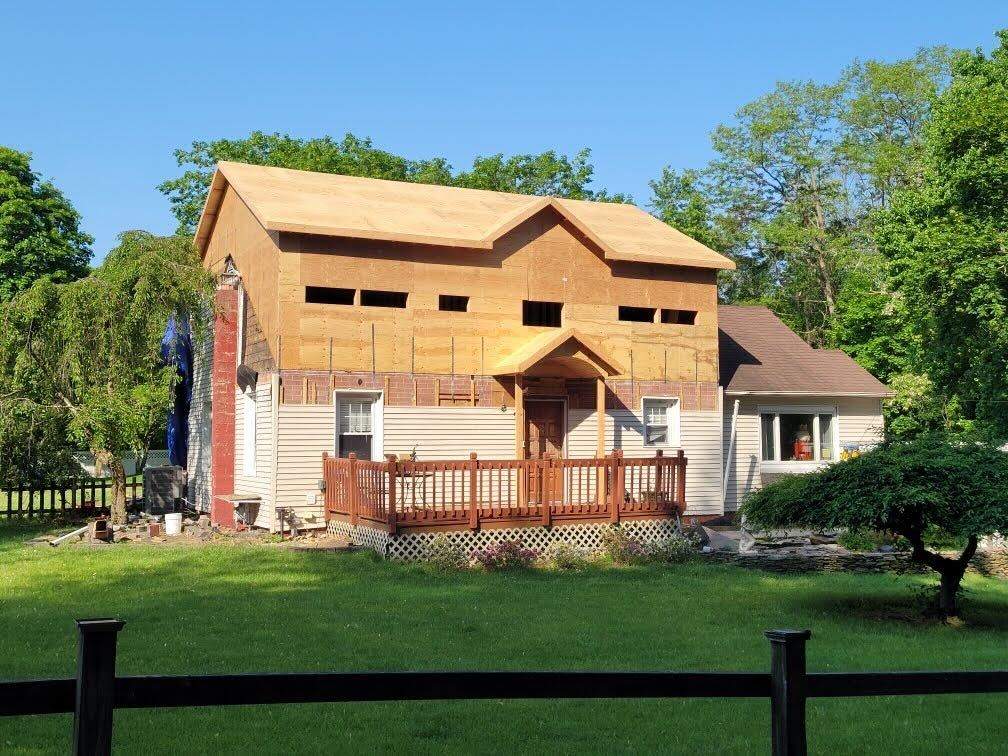
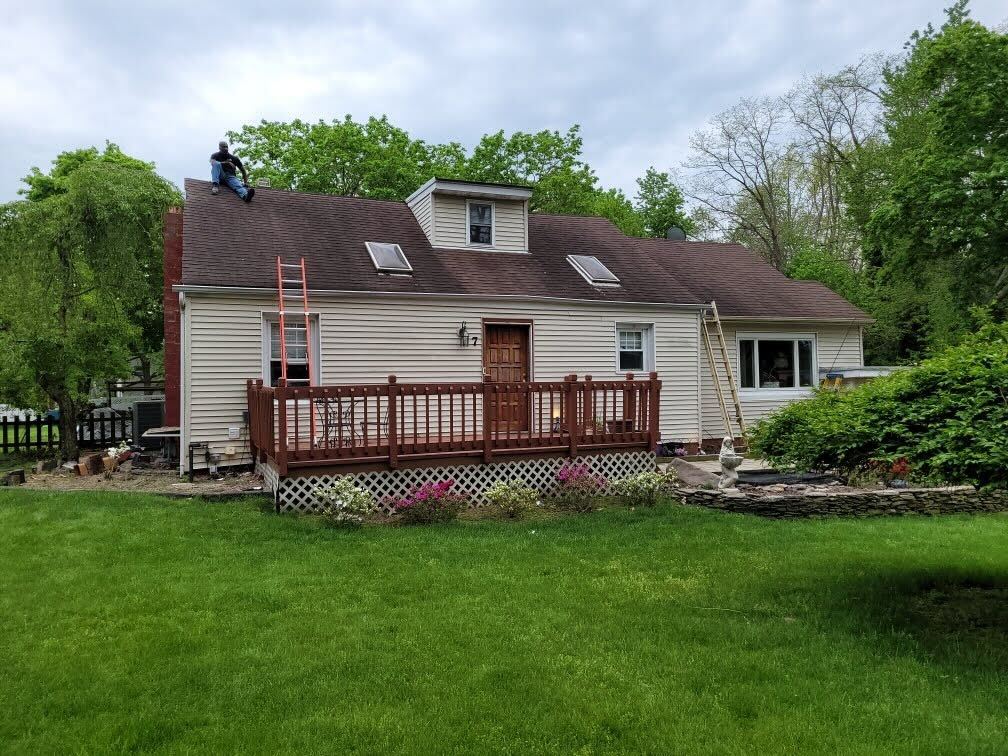
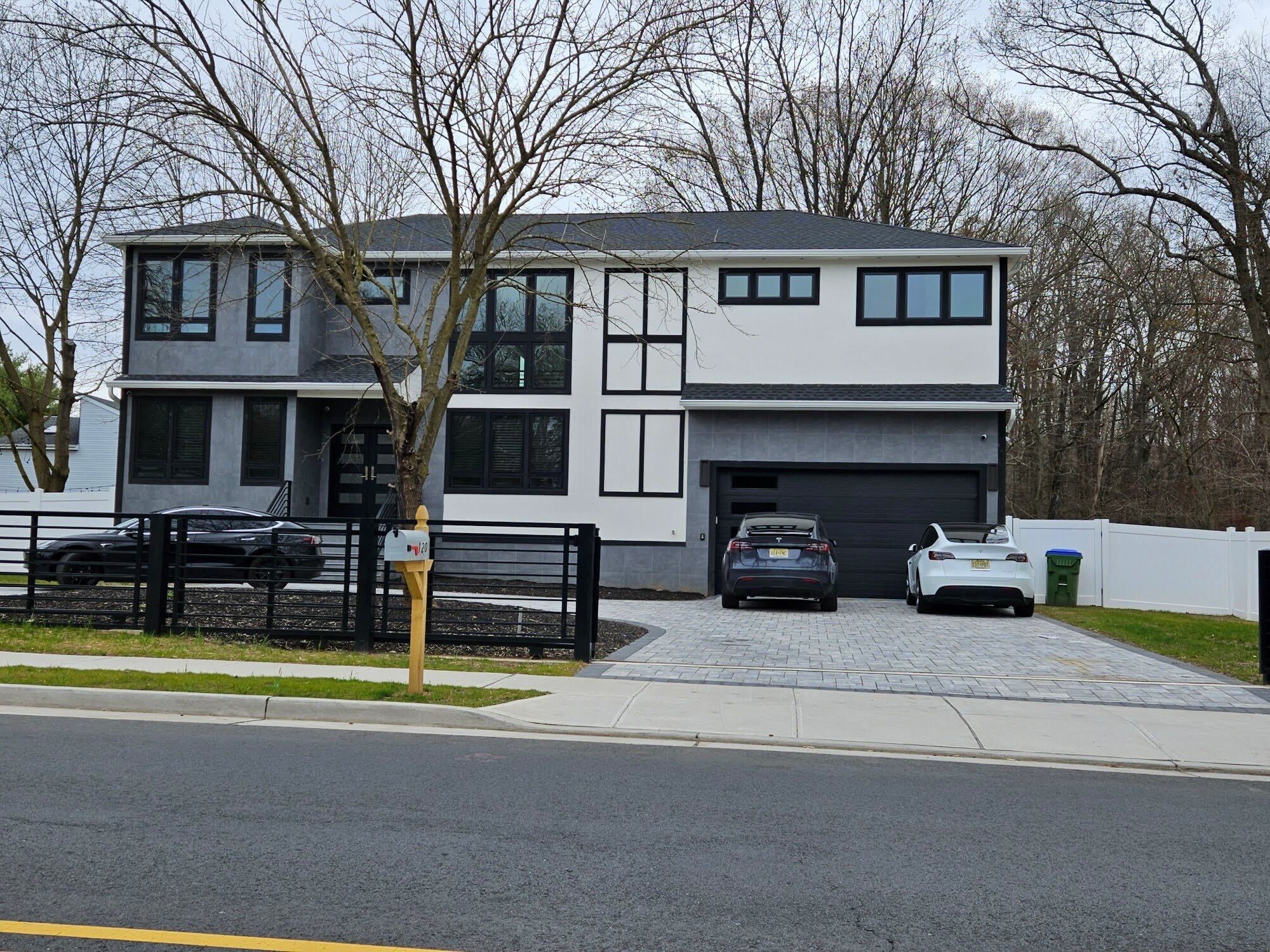
- Building Up involves adding a second (or third) story to your existing home. This is a vertical expansion.
- Building Out means extending the home’s footprint horizontally, often by adding rooms or living spaces on the ground level.
Each option comes with its unique set of challenges and benefits.
Pros of Building Up
1. Preserves Yard Space
One of the most significant benefits of building up is that it preserves your yard. If you have limited land or value your outdoor space for gardening, entertaining, or play areas, vertical expansion allows you to grow your home without sacrificing green space.
2. Cost-Effective for Certain Structures
In many cases, building up can be more cost-effective than building out. You avoid the expenses related to foundation work, excavation, or grading, which can be costly in horizontal expansions.
3. Improves Property Value
Adding a second story often significantly increases the square footage of your home, which in turn can increase its market value. This is especially beneficial in neighborhoods where vertical builds are common and high property values are the norm.
4. Potential for Better Views
Going up gives you the potential to access better views—especially in scenic areas or urban environments. This can add not only aesthetic value but also real estate appeal.
Cons of Building Up
1. Structural Limitations
Not all homes are built to support a second story. Before building up, structural reinforcement may be required, which can be expensive and time-consuming.
2. Longer Construction Time
Vertical additions are often more complex. The construction process may take longer, especially if the roof needs to be removed or significantly altered. It can also be more disruptive to daily life, particularly if you remain in the home during renovations.
3. Zoning Restrictions
Municipal height restrictions or local building codes may limit your ability to build up. It’s essential to check with local authorities or consult with Home Addition Services in Edison, NJ to understand what’s permitted.
Pros of Building Out
1. Simpler Construction Process
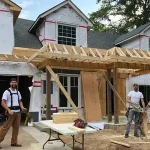
Adding a room on the ground floor is typically more straightforward than building an entire second story. It generally involves fewer structural changes and may be completed faster.
2. Easy Accessibility
Ground-floor additions provide easy access, making them ideal for homeowners planning for aging-in-place or accommodating elderly family members.
3. Flexible Design Options
When building out, you have more freedom in terms of layout, room size, and flow. It’s often easier to match existing design elements and ensure consistency with the rest of the home.
Cons of Building Out
1. Loss of Yard Space
The most obvious drawback is the reduction of outdoor space. If your lot is small, expanding outward can consume valuable lawn or garden areas and limit future landscaping opportunities.
2. Higher Foundation Costs
Since building out requires a new foundation, this can significantly increase your construction costs. Site preparation, excavation, and concrete work are all labor-intensive and costly.
3. Potential Zoning and Setback Issues
Depending on your property size and local regulations, you may encounter zoning limitations or setback requirements that restrict how far you can extend your home outward.
Factors to Consider When Choosing Between Up and Out
Choosing the right option depends on a variety of factors, including:
1. Lot Size
A larger lot gives you more freedom to build out. For smaller lots, building up may be the only viable option.
2. Budget
While both approaches can be costly, building out usually incurs higher foundation and excavation expenses, whereas building up may require structural reinforcements.
3. Long-Term Plans
Think about how long you plan to stay in your home. If you’re upgrading for long-term comfort or family needs, consider accessibility and aging-in-place features.
4. Local Building Codes
Always consult local building authorities or licensed professionals. Companies offering Home Addition Services in Edison, NJ can help navigate zoning laws, permits, and engineering requirements.
Making the Right Choice with Professional Guidance
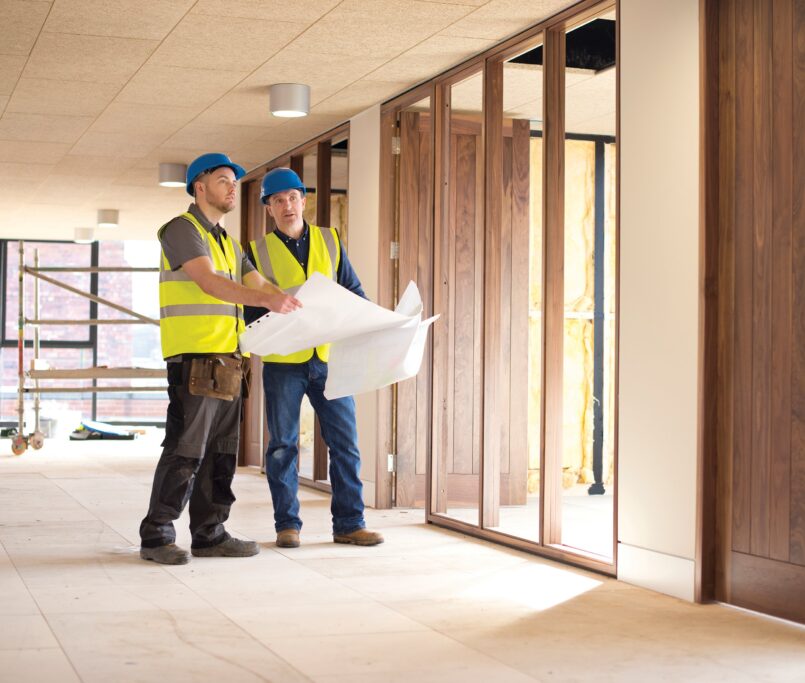
The decision to build up or out should be made with the help of an experienced contractor. Not only can they evaluate your home’s structure and land, but they can also provide accurate cost estimates and timelines.
If you’re located in Edison or nearby areas, hiring expert Home Addition Services in Edison, NJ can ensure that your project complies with local regulations and is completed efficiently and safely.
Conclusion
Deciding between building up or building out is a significant choice that will impact your home’s function, value, and appearance for years to come. While both options have their pros and cons, your personal needs, lot characteristics, budget, and local building regulations will play key roles in your decision.
Work with reputable professionals who understand the local building landscape to help you plan and execute your vision. Whether you go vertical or expand your footprint, a well-executed home addition can enhance your lifestyle and boost your property’s value.