





When Is the Best Time to Hire a General Contractor?
Timing can make or break a home project. Hire too late and you rush choices, pay more for expedited work, or live through a longer disruption. Hire too early and you may waste energy before you know your scope or budget. The sweet spot sits between clear planning and a realistic start date. If you’re comparing General Contractors in Middlesex County, this guide explains when to bring a pro on board so your project moves smoothly from idea to completion.
The Best Time Is Earlier Than You Think
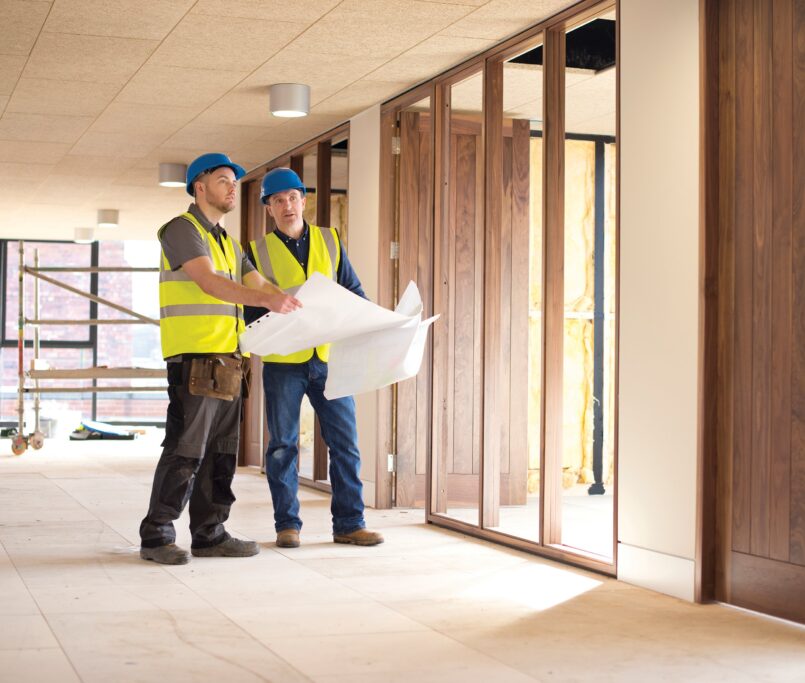
Most homeowners wait until they pick finishes or buy fixtures. That’s a mistake. A licensed general contractor should join your project as soon as you have a defined goal, an addition, kitchen update, finished basement, or full remodel but before you make binding purchases. Why? A contractor tests feasibility, helps sequence work, gives cost ranges, and flags hidden conditions. Early input prevents change orders and delays later. In short, the best time to hire is when you can answer two questions: “What do we want?” and “What can we spend?” If you can describe those in a paragraph and a budget range, it’s time to call All About Additions LLC.
Seasonal Timing in Middlesex County
New Jersey’s seasons influence labor availability, permit queues, and material logistics. Planning around them saves headaches.
Late Winter (Jan–Feb): This is a strong time to plan, design, and bid. Many homeowners wait for spring, so calendars are more flexible for site visits and estimates. You can finalize drawings, submit permits, and line up materials before the busy season.
Spring (Mar–May): Ideal for exterior starts additions, decks, roofing tie-ins, once frost concerns fade. It’s also a popular time for kitchens and baths aimed for completion before summer hosting. Because demand rises, book your contractor well in advance to secure your slot.
Summer (Jun–Aug): Good for projects that benefit from dry weather: foundation work, siding, windows, and major structural changes. Families sometimes travel, which can reduce day-to-day disruption at home. Lead times for specialty items can stretch, so earlier ordering is key.
Fall (Sep–Nov): A prime season for interior remodels you want done before the holidays. Weather is stable, and trades can focus on inside work. If you begin design in late summer, you can break ground in early fall and finish by year’s end.
Early Winter (Dec): Not the most common start, but useful for smaller interior projects and pre-construction planning. You can capture off-peak scheduling and be first in line for spring starts.
Match Timing to Project Type
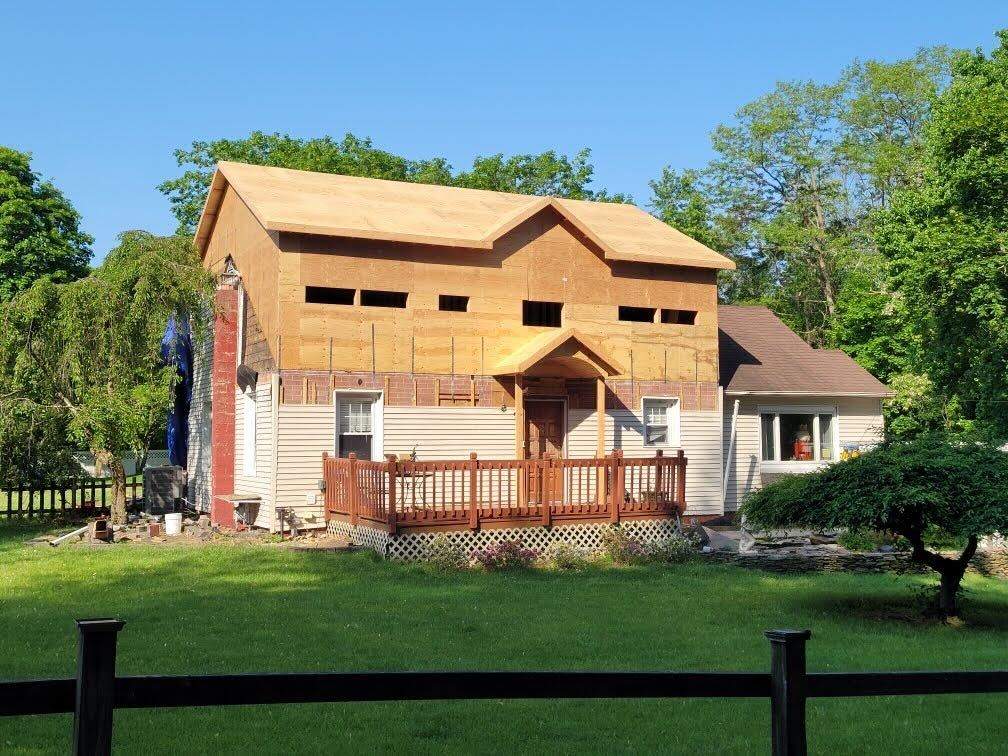
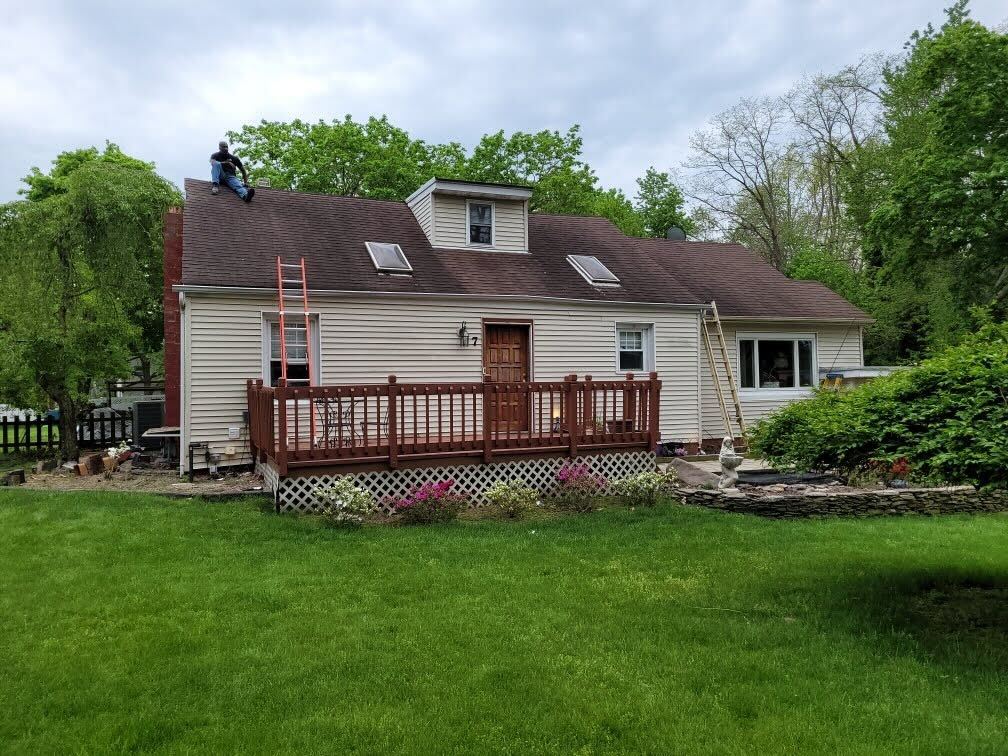
Additions and Major Alterations: These require architecture, engineering, and permits. Hire your contractor at the concept stage, even while drawings are in progress. A build partner will price options, suggest structural efficiencies, and ensure the design fits budget and code. Because additions depend on weather and inspections, starting planning in late winter or spring sets you up for a strong summer or fall build.
Kitchen Remodels: Lead items, cabinets, stone, appliances, drive the schedule. Bring in a contractor as soon as you sketch the layout and appliance list. We’ll confirm measurements, review mechanical loads (electric, gas, ventilation), and order long-lead items. Target spring or fall starts; plan two to four months ahead for product logistics.
Bathroom Renovations: Shorter than kitchens, but still coordination-heavy (tile, plumbing, waterproofing). Hire once you know the footprint and fixture tier. If you want a pre-holiday finish, hire by late summer. For a spring refresh, hire in winter.
Basement Finishing: Weather is less critical, so you have flexibility. Hire when you’re ready to discuss egress, moisture control, and layout. Off-season interior work (late fall and winter) can secure favorable scheduling.
Exterior Upgrades (siding, windows, roofing tie-ins): Plan in winter, start in spring or summer. Earlier hiring ensures materials arrive on time and crews are blocked for your project.
Permits, Inspections, and Lead Times
Every municipality in Middlesex County has its own workflows. Some permits issue quickly; others take weeks. Inspections occur at key milestones: footing, framing, rough mechanicals, insulation, and final. Hiring a contractor early lets us stage each step so you’re not waiting with open walls. We also advise on products with known lead times such as windows, custom doors, specialty tile, so orders land before crews arrive. When permits and materials are aligned, active construction compresses and costs stay predictable.
Budget Windows and Cost Control
It’s tempting to chase the cheapest month. In practice, your biggest savings come from planning, not a specific date. Early hiring gives you time to value-engineer: adjust spans to reduce steel, choose cabinet lines with shorter lead times, or reroute plumbing for fewer penetrations. When you hire late, decisions get rushed and premiums creep in overtime labor, temporary kitchens longer than necessary, or expedited shipping. The best “deal” is a well-sequenced project with few change orders, and that starts with timely contractor involvement.
Life Events That Drive Ideal Timing
Renovations work best when they follow your life, not the other way around. Common triggers:
- Before a home purchase closes: Walking the space with a contractor during due diligence clarifies what’s feasible and what it will cost.
- Expanding family or multigenerational living: Start six months before you need the space livable.
- Work-from-home needs: If converting a room to an office, plan around job deadlines to reduce disruption.
- Aging-in-place updates: Grab bars, wider doors, curb-less showers—these benefit from thoughtful sequencing. Early hiring ensures the right blocking and waterproofing are in place.
Availability and Booking Reality
Good builders book out. For larger projects, it’s normal to reserve a start several weeks or months ahead. That doesn’t mean your project stalls; it means we’re designing, procuring, and permitting while you live normally. If you’re comparing General Contractors in Middlesex County, ask two questions: “When can design and pre-construction start?” and “When is the earliest realistic construction window?” A contractor who respects those phases will deliver a calmer build.
When Waiting Costs More
Some issues don’t tolerate delays:
- Active leaks or soft floors: Water damage spreads and adds mold remediation.
- Failing electrical or plumbing in kitchens/baths: Safety and ongoing repair bills add up.
- Rotten sills, sagging porches, or compromised roofing tie-ins: Structural problems escalate season by season.
In these cases, hire immediately, even if you phase cosmetic upgrades later. Stabilize the structure first; finishes can follow.
A Simple Timeline That Works
- Idea & Budget (Week 1–2): Define goals and a budget range.
- Hire Contractor (Week 2–3): Bring in All About Additions LLC to sanity-check scope and propose sequencing.
- Design & Pricing (Weeks 3–8): Drawings, selections, long-lead orders, and a detailed estimate.
- Permits & Procurement (Weeks 6–10): Submit permits; track approvals and deliveries.
- Construction (Start per plan): Efficient build with inspections staged and materials on site.
Ready to talk about timing for your project? Contact All About Additions LLC. We’ll review your goals, align the season, permits, and materials, and give you a clear start date you can trust.