




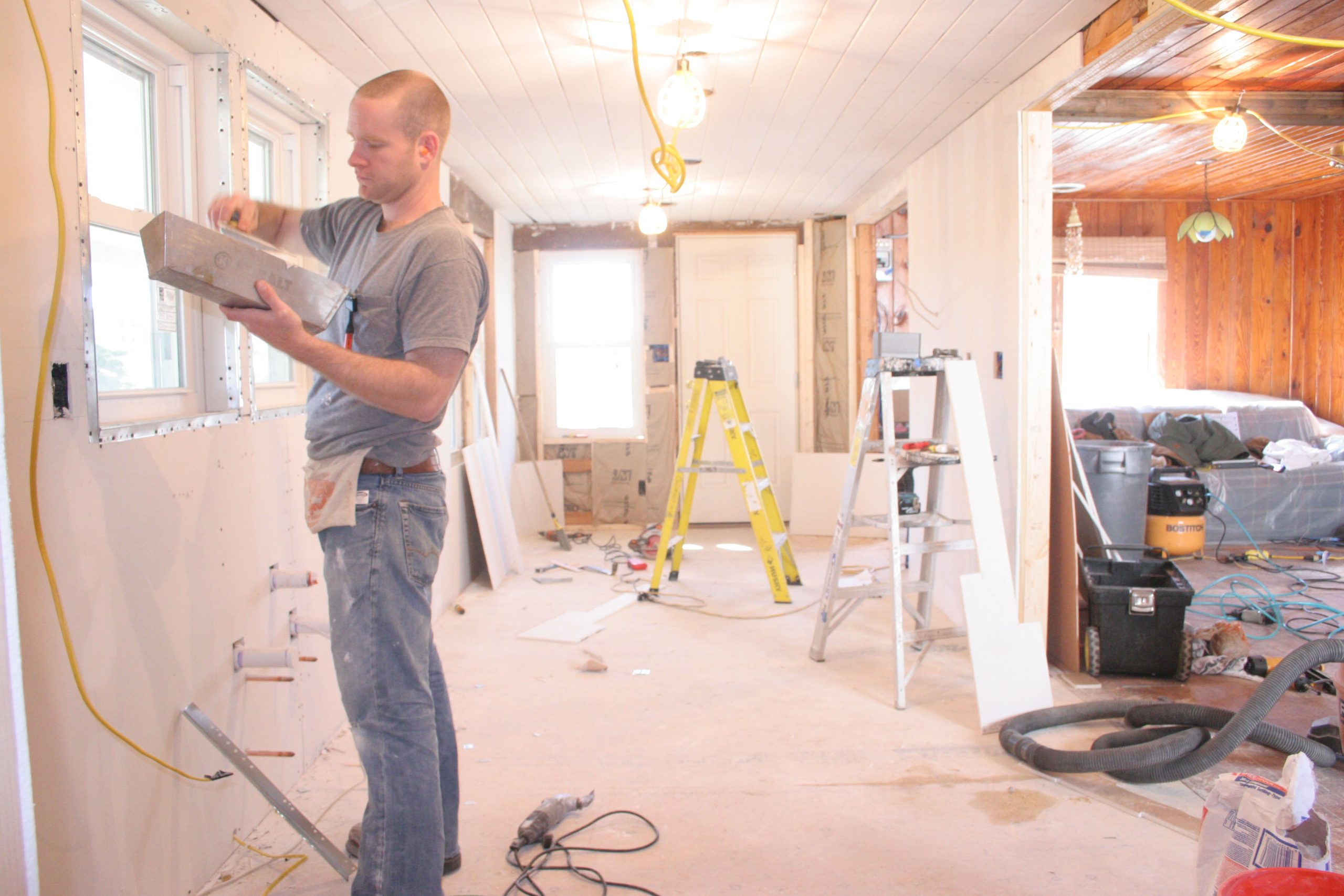
Why Proper Project Planning Is Crucial for Home Remodeling Success
Planning a home renovation can feel like an emotional rollercoaster. One moment, you are excited about choosing granite countertops, and the next, you are overwhelmed by the technical jargon of structural load-bearing walls. However, the difference between a nightmare project and a dream home lies in the “pre-construction phase.”
In the world of residential construction, failing to plan is planning to fail. Professional General Contractors in Middlesex County will tell you that for every hour spent in careful planning, you save dozens of hours in labour and thousands of dollars in mistakes. Companies like All About Additions prioritise this stage to ensure that when the hammers finally start swinging, no expensive surprises are waiting behind the drywall.
1. Defining the Scope of Work
One of the most common reasons for project failure is “scope creep.” This happens when a simple bathroom update slowly turns into a full-floor renovation without a clear plan.
Creating a Detailed Blueprint
A professional planning process involves creating a comprehensive Scope of Work. This document outlines exactly what will be touched, moved, or replaced. It includes:
- Demolition plans: Identifying which walls are non-structural.
- Material specifications: Choosing everything from the grade of lumber to the specific model of lighting fixtures.
- Timeline milestones: Setting realistic dates for “rough-in” inspections and final finishes.
By having these details finalised early, General Contractors in Middlesex County can provide an accurate quote rather than a “guesstimate,” protecting your savings from sudden spikes in cost.
2. Budget Accuracy and Contingency Funds
Money is the most frequent source of friction in home remodelling. Proper project planning allows for a transparent financial roadmap.
The 10% Rule
Experienced firms like All About Additions advise homeowners to always set aside a “contingency budget.” Even with the best planning, old homes can hide “hidden structural defects” or outdated “knob-and-tube wiring” that only becomes visible once the walls are opened. A solid plan accounts for these risks, ensuring the project doesn’t grind to a halt the moment a problem is discovered.
Avoiding “Change Order” Inflation
Without a plan, you are forced to make decisions on the fly. These “on-the-spot” choices often lead to “Change Orders,” which are notoriously expensive. Planning allows you to lock in prices for building materials and labour before the project begins.
3. Procurement and Supply Chain Management
In the modern construction landscape, lead times for materials can be unpredictable. You don’t want your kitchen gutted only to find out your custom cabinets are on a three-month backorder.
Early Material Selection
Proper planning involves “procurement scheduling.” This means ordering:
- Custom Windows and Doors, which often have the longest lead times.
- Specialty Flooring: Ensuring the dye lots match for a seamless look.
- HVAC Systems: Selecting units that match the square footage and energy requirements of the new space.
A licensed professional ensures all “long-lead items” are ordered and tracked so they arrive precisely when the “skilled tradespeople” are ready to install them.
4. Navigating Building Permits and Regulations
Many homeowners underestimate how much time the “permit approval process” takes. Planning ahead ensures that legal requirements don’t delay your move-in date.
Zoning and Code Compliance
Every town has different “zoning bylaws” regarding how close you can build to a property line or how high a roofline can go. A well-planned project includes a “zoning audit” to ensure the design is legal. This prevents the devastating scenario of having to tear down completed work because it violated a local ordinance.
5. Coordination of Specialised Trades
A remodel isn’t a one-person job; it requires a sequence of experts. Planning the “logistics of construction” is essential for a smooth flow.
The Order of Operations
A project manager creates a “Critical Path” schedule. This ensures that:
- Plumbing and Electrical Rough-ins are completed before the insulation goes in.
- Drywall and Taping are finished before the hardwood floors are laid to prevent damage.
- Finish Carpentry occurs after the heavy machinery has left the site.
When these phases are mapped out, it reduces downtime and ensures that “subcontractor management” is handled efficiently, keeping the project on its projected “completion date.”
6. Managing Emotional Stress
Finally, the most overlooked benefit of project planning is your own mental health. Living in a construction zone is stressful. A clear plan provides a “communication framework” between you and your contractor.
Knowing that All About Additions has a plan for dust mitigation, debris removal, and daily site cleanups makes the process bearable. When you have a schedule, you know exactly when your kitchen will be out of commission and, more importantly, exactly when you will get it back.
The Elements of a Successful Plan
Planning Element Purpose
Site Survey: To identify structural limits and utility locations.
3D Rendering: To visualise the final aesthetic before buying materials.
Permit Package: To secure legal permission from the city/township.
Vendor List: To ensure all fixtures and finishes are sourced and priced.
Communication Plan: To set expectations for weekly updates and progress reports.
Conclusion
Proper project planning is the foundation of any successful home transformation. It turns a chaotic series of events into a predictable, professional process. By investing time upfront to define the scope, budget, and timeline, you ensure that your remodel adds genuine value to your home and joy to your life.