






What Permits Do You Need Before Starting a Construction Project?
Starting a construction project is an exciting milestone, but before the first hammer swings, you must navigate the complex world of local building regulations. For homeowners looking to upgrade their culinary spaces, hiring experienced General Contractors in Middlesex County is often the first step in ensuring that all structural and aesthetic changes meet city codes. Navigating the permit process can be daunting, but understanding the legal requirements is essential for the safety of your home and the long-term value of your property. Whether you are adding a new room or simply updating old systems, knowing which documents to file is the foundation of a successful build.
The Fundamental Purpose of Building Permits
A building permit is more than just a piece of paper; it is an official authorization from your local government to proceed with a construction or remodeling project. These permits ensure that your plans comply with local standards for land use, zoning, and safety.
By obtaining the correct residential construction permits, you are essentially inviting a third-party expert—a city inspector—to verify that the work performed by your team is up to code. This oversight protects you against poor craftsmanship and hazardous conditions, such as faulty wiring or unstable framing, which could lead to disasters down the line.
Common Projects That Require Official Approval
Not every minor repair requires a trip to the city planning office, but most significant alterations do. Here are the primary categories where a permit is typically mandatory:
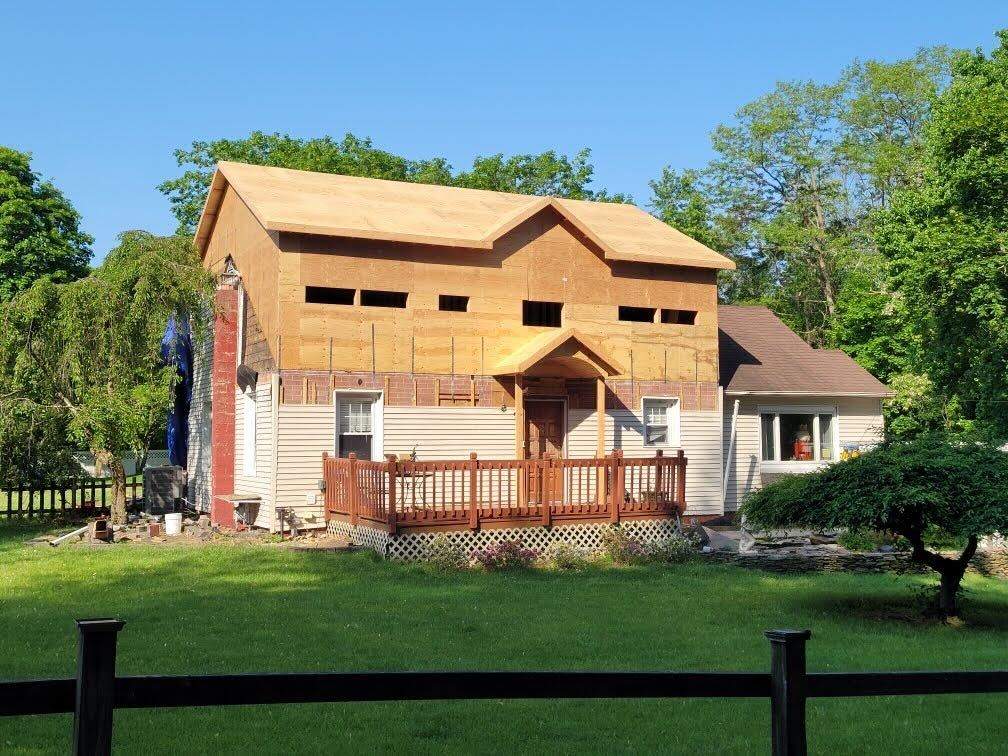
- Structural Changes: If you are moving load-bearing walls, adding a balcony, or changing the roofline, you will need a structural permit.
- Electrical and Plumbing: Moving a sink, adding new outlets, or upgrading a circuit breaker panel requires specialized trade permits to ensure fire safety and water hygiene.
- Mechanical Work: Installing a new HVAC system or altering ductwork usually falls under mechanical permits.
- Additions and Conversions: Converting a garage into a living space or building a home extension requires a comprehensive review of your property’s footprint.
Navigating the Application Process: What You Should Know
The process typically begins with submitting a detailed set of blueprints or site plans to your local building department. These plans illustrate the current state of the property and the proposed changes.
For specialized projects like a full-scale home renovation, the city may require professional architectural drawings. Once submitted, the plans undergo a “plan check” where officials review them for compliance with the International Building Code (IBC) or local amendments. Depending on the complexity of the project, this review can take anywhere from a few days to several weeks. All About Additions emphasizes the importance of factoring this “waiting period” into your overall project timeline to avoid frustration.
Hidden Requirements: Zoning and Environmental Permits
Beyond the standard building permit, your project might trigger the need for auxiliary approvals.
- Zoning Permits: These regulate how high you can build and how close your structure can be to the property line (setbacks).
- Historic District Certificates: If your home is in a protected area, you may need approval from a historical board regarding the outward appearance of the materials used.
- Grading Permits: If your construction involves moving large amounts of dirt or changing the slope of your land, a grading permit ensures you won’t cause drainage issues for your neighbors.
The Risks of Skipping the Permit Process
It might be tempting to bypass the bureaucracy to save time or money, but working without a permit is a gamble that rarely pays off. If the city discovers unpermitted work, they can issue a “stop-work order,” fine you heavily, or even force you to tear down the completed structure at your own expense.
Furthermore, unpermitted work can complicate future real estate transactions. Most buyers require a home inspection and a title search; if they discover that a bathroom remodel or a room addition wasn’t permitted, it can kill the deal or force you to lower your price significantly. Having a professional general contractor handle the paperwork ensures that your investment remains legally sound.
Ensuring Compliance to Avoid Costly Mistakes
The primary goal of following the rules is to avoid costly mistakes that could compromise the integrity of your house. When you hire professionals, they often take on the responsibility of “pulling” the permits for you. This is a major advantage, as they are familiar with the specific terminology and documentation required by local authorities. A contractor who asks you to pull the permit as a “homeowner-builder” might be trying to avoid liability, so stay informed and ensure the person doing the work is the one held accountable by the city.
Inspections: The Final Hurdle
Once the permit is issued and work begins, the process isn’t over. You will need to schedule inspections at various stages—usually after the “rough-in” (when wires and pipes are visible) and again upon final completion. These visits by the building official confirm that the work matches the approved plans.
Once the final inspection is passed, you will receive a Certificate of Occupancy or a final sign-off. This document is your proof that the project is safe, legal, and adds genuine value to your home. Whether you are working with All About Additions or another local firm, keeping these records in a safe place is vital for your home’s history. Taking the time to do things the right way ensures that your dream project doesn’t turn into a legal nightmare.