




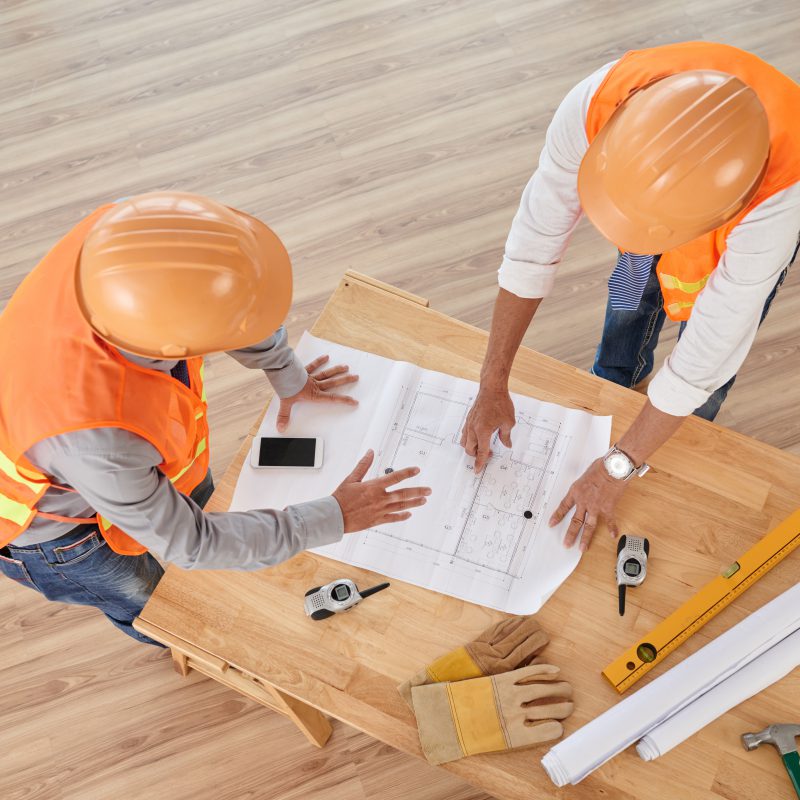
How General Contractors in NJ Handle Permits and Inspections
When starting any construction or renovation project in New Jersey, there’s one thing that can’t be overlooked: permits and inspections. Whether it’s a kitchen remodel, a new home addition, or a commercial renovation, getting the right permits and passing inspections are essential steps to ensure compliance with local building codes. That’s where General Contractors in Middlesex County, NJ play a vital role.
In this blog, we’ll explore how experienced General Contractors in NJ handle the complex process of permits and inspections, giving homeowners and property managers peace of mind and smoother project execution.
Understanding Permits and Inspections in NJ
Before diving into how contractors manage the process, it’s important to understand what permits and inspections are:
- Permits: Legal documents issued by the local municipality allowing construction to begin. They are required for projects involving structural, electrical, plumbing, and major aesthetic changes.
- Inspections: Periodic evaluations conducted by the local building department to ensure that work complies with safety codes and regulations.
Failing to secure proper permits can lead to fines, delays, or even forced demolition. That’s why hiring professional General Contractors is crucial—they know exactly how to navigate the system.
Step-by-Step: How General Contractors Handle Permits
1. Initial Project Evaluation
Every professional contractor starts with a detailed project evaluation. During this stage, they:
- Review the scope of work
- Identify which parts of the project require permits
- Research local municipal codes (as NJ regulations can vary by county or township)
Thanks to their knowledge and experience, NJ General Contractors can accurately determine what permits are necessary, saving you time and confusion.
2. Permit Application Submission
Once the required permits are identified, your contractor will:
- Prepare detailed drawings and documentation (architectural plans, engineering reports, etc.)
- Fill out and submit applications to the appropriate building department
- Pay permit fees on your behalf
This paperwork can be overwhelming for homeowners. Fortunately, General Contractors in NJ are familiar with the exact requirements and avoid common mistakes that lead to rejections or delays.
3. Dealing with Delays or Revisions
Sometimes, the local building authority might request revisions or clarifications. An experienced contractor will:
- Communicate with the inspector or permit office directly
- Update plans or documents quickly
- Resubmit as needed to keep the project moving
Having a contractor with existing relationships at municipal offices can speed up this process significantly.
Coordinating Inspections
Once permits are approved and work begins, inspections come into play.
1. Scheduling Required Inspections
Every phase of construction often requires a separate inspection—such as:
- Foundation
- Electrical rough-in
- Plumbing systems
- Framing
- Final inspection
Your NJ General Contractor takes responsibility for:
- Booking inspections at the right time
- Ensuring the site is prepared for inspection
- Being present during the inspection to answer questions
This coordination ensures there are no missed steps or delays.
2. Ensuring Code Compliance
One of the main benefits of hiring licensed general contractors is their familiarity with New Jersey construction codes. They ensure:
- All work is done to code from the start
- Contractors and subcontractors follow approved plans
- Corrections are made immediately if required
This proactive approach reduces the risk of failed inspections and project slowdowns.
3. Final Inspection and Project Sign-Off
Before the project wraps up, a final inspection is required. This confirms that all components meet the required standards. General contractors handle this by:
- Doing a pre-inspection walkthrough
- Fixing minor issues beforehand
- Coordinating final approval from the inspector
Once approved, a Certificate of Occupancy or Final Approval Notice is issued—signifying that the project is legally complete.
Why Hiring the Right General Contractor in NJ Matters
Handling permits and inspections isn’t just about paperwork—it’s about experience, relationships, and knowledge of the system. The right General Contractor:
- Knows local building officials
- Keeps projects compliant and on schedule
- Helps avoid costly mistakes
- Takes stress off your plate
Whether you’re in Jersey City, Edison, Newark, or a small township, choosing a contractor who’s local and experienced with the permit process makes all the difference.
Tips for Homeowners: Working with Your Contractor
To help the process go smoothly, here are a few things you can do:
- Be clear about your project scope: Let your contractor know all the changes you want.
- Be patient with the permit process: It can take days or weeks, depending on your municipality.
- Trust your contractor’s guidance: They’ve likely gone through this process many times before.
Remember, General Contractors are not just builders—they are project managers who deal with every aspect of the construction lifecycle, including legal compliance.
Conclusion
In New Jersey, the process of handling permits and inspections is critical to the success of any construction or renovation project. A skilled and licensed General Contractor understands how to navigate these legal requirements, coordinate with local building departments, and keep your project running smoothly.
If you’re planning a home or commercial project in NJ, don’t try to manage permits and inspections alone. Trust a professional general contractor to handle it for you—and enjoy peace of mind knowing your project is in expert hands.