




How Long Does It Typically Take to Build a Residential Addition?
If you’re thinking about extending your house, you might wonder, “How much time will this take?” Crafting an extension for a home isn’t a one-step process. It requires multiple phases, each impacting the total time required. Knowing the elements that affect these time frames can assist in your project planning. So, let’s delve into an orderly rundown of a usual time scale for a home addition and what to anticipate in various phases.
1. Planning and Design
Before construction begins, the planning and design phase is crucial. This stage involves:
- Initial Consultation: Meeting with architects or designers to discuss your vision and requirements.
- Design Development: Creating detailed plans and blueprints.
- Permit Acquisition: Securing necessary permits from local authorities.
The length of this phase can vary based on the complexity of the design, the speed of permit approval, and how quickly you make decisions.
2. Site Preparation
Once the plans are approved, site preparation begins. This stage involves:
- Clearing the Area: Removing any obstacles or structures where the addition will be built.
- Excavation: Digging foundations or making necessary adjustments to the land.
Site preparation can be quick if the area is relatively clear, but it may take longer if there are existing structures or complex landscaping.
3. Foundation and Framing
With the site prepared, the next steps are:
- Foundation Work: Pouring concrete or laying other foundation types as per the design.
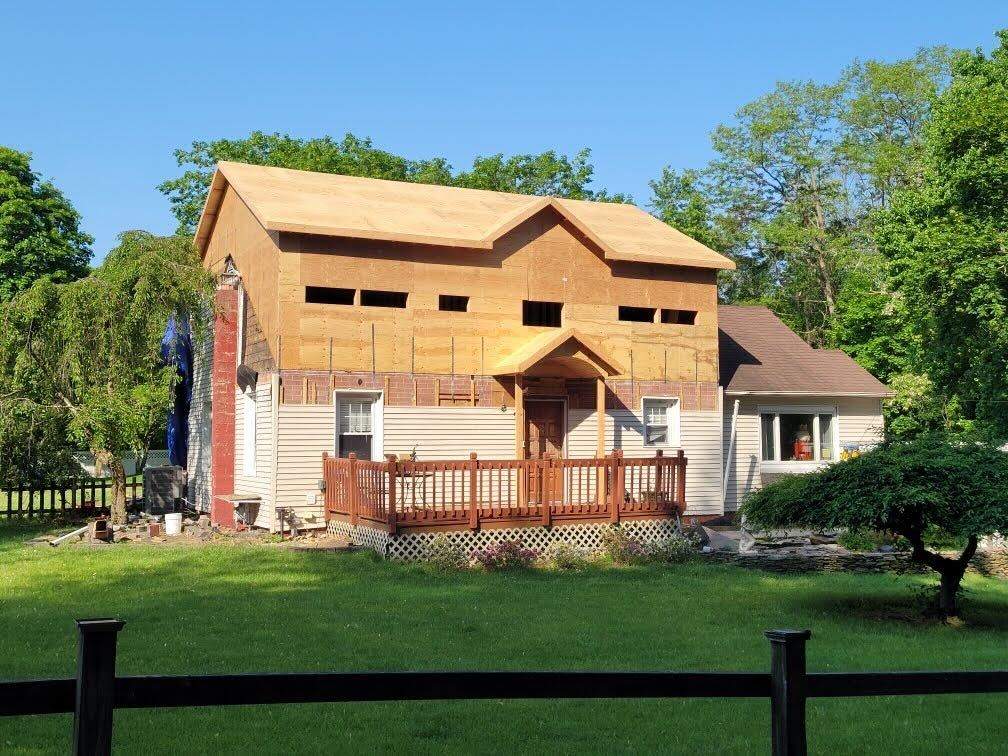
- Framing: Building the structural framework of the addition, including walls, roof, and floor structures.
The duration of this phase depends on the size of the addition and weather conditions. Larger additions or more complex foundations will extend the timeline.
4. Roofing and Exterior Work
Once the frame is in place, work moves to:
- Roof Installation: Adding shingles or other roofing materials.
- Exterior Finishing: Applying siding, windows, and doors.
This phase generally takes a few weeks but can be affected by weather conditions and material availability.
5. Interior Work (4-8 Weeks)
The interior work includes:
- Electrical and Plumbing: Installing wiring, outlets, plumbing fixtures, and connections.
- Insulation and Drywall: Adding insulation, followed by drywall installation and finishing.
- Flooring and Painting: Laying flooring materials and painting walls.
The complexity of the interior design and the number of fixtures and finishes chosen will impact this timeline.
6. Final Touches and Inspection
Before you can start using your new space, final touches are needed:
- Trimming and Cabinet Installation: Adding baseboards, moldings, and cabinetry.
- Final Inspection: Ensuring everything meets code requirements and is ready for occupancy.
This final phase includes addressing any minor issues or adjustments before you fully enjoy your new addition.
Total Timeframe:
In summary, the typical timeframe for building a residential addition ranges from 3 to 6 months. However, several factors can influence this timeline:
- Complexity of the Addition: Larger or more complex projects will take longer.
- Weather Conditions: Adverse weather can delay outdoor work.
- Permit and Inspection Delays: Delays in obtaining permits or scheduling inspections can affect the overall timeline.
- Contractor Availability: The availability and efficiency of your contractor play a significant role.
Good preparation and effective talk with your builder aids in making the procedure easy and keeps your project on course. Knowing these steps and possible slowdowns, will guide you to control anticipations and start relishing your new area at the earliest.