



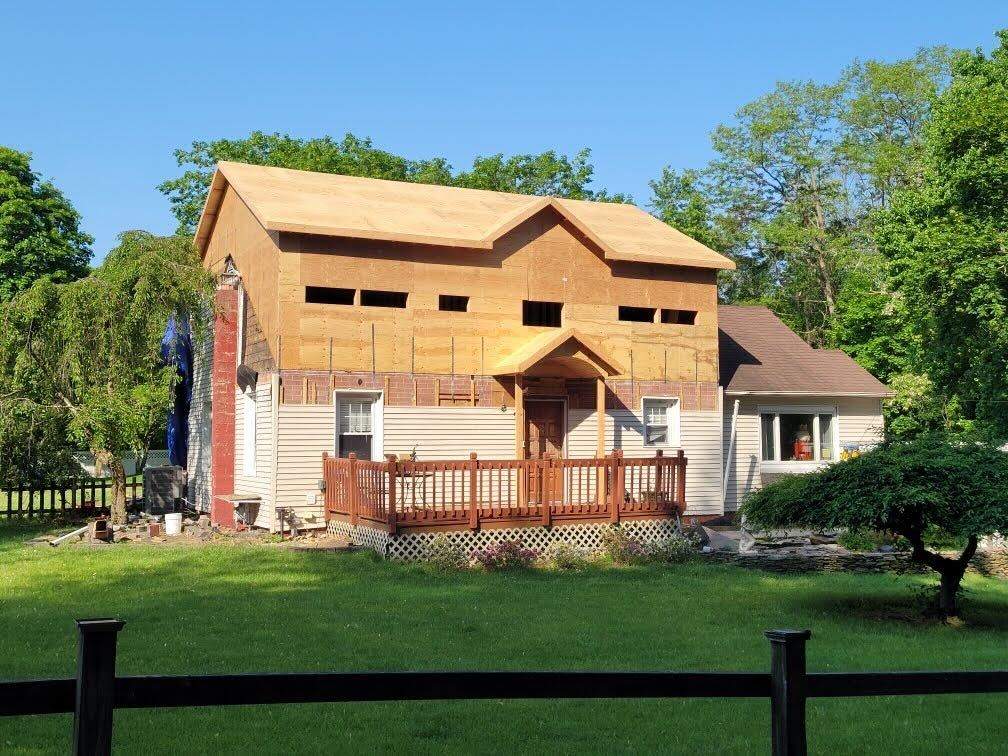

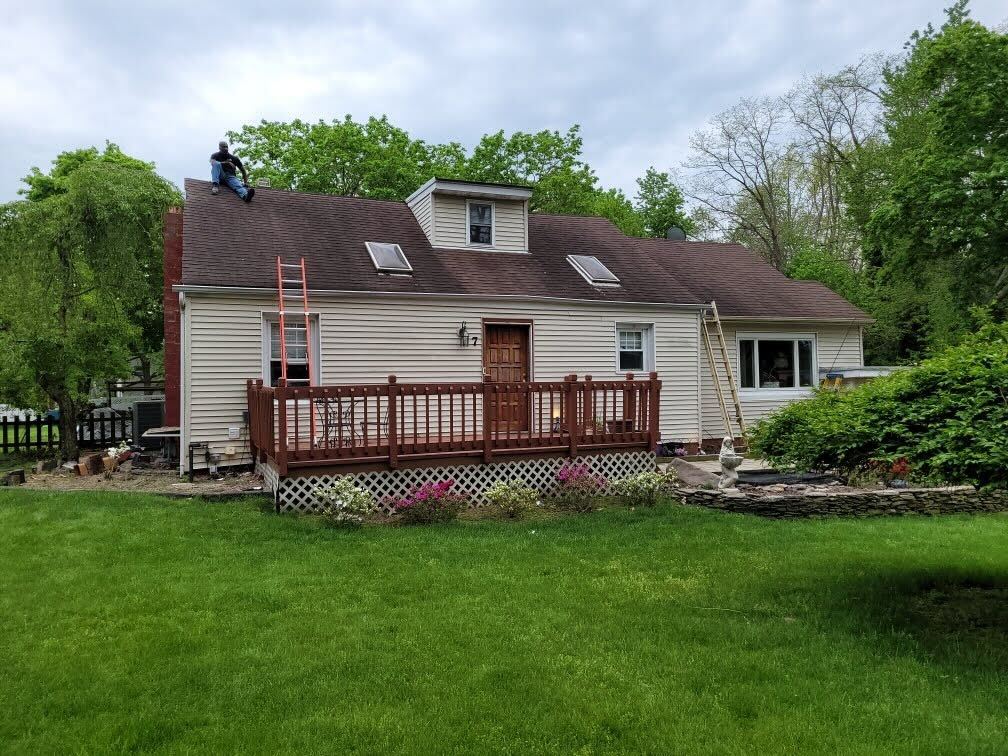
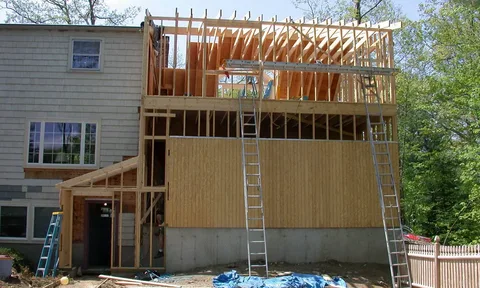
How to Blend New Additions with Existing Architecture
Expanding your home is an exciting project that allows you to gain additional space while increasing your property’s value. However, poorly designed additions can disrupt the harmony and charm of your home’s original architecture. If you’re planning a renovation, expert Home Addition Services in Edison, NJ can help ensure your new space seamlessly integrates with your existing structure—both functionally and aesthetically.
In this guide, we’ll walk you through the essential strategies to blend new additions with your home’s original architecture, preserving its character while expanding its capabilities.
1. Understand Your Home’s Architectural Style
Before planning any home addition, it’s critical to identify the architectural style of your existing house. Whether it’s Colonial, Cape Cod, Ranch, or Victorian, understanding the design principles of your current structure will guide the shape, scale, and material choices for your addition.
Common Architectural Elements to Note:
- Roof pitch and overhangs
- Window shape and grid patterns
- Siding materials and colors
- Trim and moldings
- Foundation height and style
A good design respects these elements and works within their visual language, not against it.
2. Match Materials and Finishes
One of the easiest ways to make an addition feel like part of the original home is by matching the existing materials. If your home features red brick, cedar shingles, or a specific type of stucco, sourcing similar materials can create a seamless look.
Tips for Matching Materials:
- Take samples of current siding or roofing to the building supply store.
- If exact materials are no longer available, use salvaged or reclaimed options.
- For painted surfaces, bring in chips or photos to color-match accurately.
Professional Home Addition Services in Edison, NJ often have access to vendors that supply hard-to-find or custom-fabricated materials.
3. Keep Proportions and Scale Consistent
Additions should never overshadow the original structure. Instead, they should feel like a natural extension. This means keeping the scale of new spaces in line with the proportions of your home.
Key Proportional Considerations:
- Ceiling height: Maintain the same height throughout.
- Window and door sizes: Use the same shapes and dimensions when possible.
- Rooflines: Match the pitch and direction to avoid an awkward silhouette.
Using similar proportions ensures the addition doesn’t appear tacked on but rather thoughtfully integrated.
4. Extend Existing Rooflines
Rooflines play a major role in how your home’s exterior is perceived. Extending or echoing existing rooflines can help blend the new addition smoothly into the original design.
Roofing Strategies:
- Extend the same type of roofing across the addition.
- Use dormers, gables, or other architectural elements consistent with the existing roof.
- Avoid abrupt transitions or mismatched pitches.
A cohesive roofline contributes significantly to the visual balance of your home’s exterior.
5. Repeat Architectural Details
Repetition is a design principle that enhances visual harmony. Carry over architectural details such as shutters, columns, cornices, and decorative moldings to the new addition.
Examples of Details to Repeat:
- Trim styles and dimensions
- Porch railings or balusters
- Window grills or muntins
- Lighting fixtures and hardware
Subtle repetition of these elements can help the addition appear original to the home.
6. Use Transitional Spaces
Creating a transitional space, such as a breezeway, mudroom, or sunroom, between the new and old areas of the home can smooth the visual and functional flow.
Benefits of Transitional Spaces:
- They help blend different architectural styles more subtly.
- Provide practical use (e.g., storage, entry buffer).
- Offer a visual break that makes the addition feel deliberate, not jarring.
This technique works especially well when the addition differs slightly in style or purpose from the main home.
7. Think About Interior Continuity
The inside of your home matters just as much as the outside. Continuity in interior finishes, layout flow, and design choices can make the new space feel like it’s always been there.
Interior Design Elements to Match:
- Flooring types and finishes
- Paint colors and trim profiles
- Ceiling treatments (e.g., beams or crown molding)
- Door styles and hardware
Interior cohesion can often be achieved with subtle updates to the existing space, making the transition feel effortless.
8. Consult a Professional Designer or Architect
Even if you have a clear vision, a design professional brings technical expertise and a trained eye to the project. They can help you:
- Evaluate structural requirements
- Ensure building code compliance
- Select materials that balance form and function
- Design an addition that enhances curb appeal
Reputable Home Addition Services in Edison, NJ often include design consultation as part of their project packages, helping homeowners make informed decisions from start to finish.
9. Plan for Future Maintenance and Sustainability
As you design your addition, consider the long-term implications. Will the materials require special upkeep? Can the space adapt to future needs?
Sustainability Tips:
- Choose energy-efficient windows and insulation.
- Consider solar panel integration or green roofing.
- Use low-maintenance exterior finishes.
A sustainable design not only protects your investment but also aligns with modern building standards and eco-conscious living.
Conclusion
Blending new additions with existing architecture requires thoughtful planning, an eye for design, and careful execution. From matching materials and repeating details to ensuring proportional harmony, each element plays a role in creating a seamless extension of your home.
By partnering with experienced Home Addition Services in Edison, NJ, you can achieve a result that enhances your home’s beauty, value, and functionality—without sacrificing its original character. Whether you’re building out, up, or around, a well-integrated addition can make your home more livable and lovable for years to come.