







What Homeowners Should Know Before Starting a Major Renovation Project
Embarking on a home transformation is an exhilarating milestone, but it is also a complex logistical undertaking. Many homeowners dive into the “design phase” without fully grasping the structural and administrative hurdles that lie ahead. Whether you are planning a kitchen expansion or a full-scale home addition, the success of your project depends on preparation and the expertise of General Contractors in Middlesex County.
Navigating the local landscape requires more than just a vision; it requires a partner who understands the specific regional demands. Brands like All About Additions help bridge the gap between architectural concepts and physical reality. To ensure your journey is smooth, here is what you need to know before the first sledgehammer swings.
1. Defining Your Realistic Budget and Contingency
The most common pitfall in residential remodelling is a budget that is too rigid. Before you begin, you must establish a financial ceiling that accounts for the “unseen.”
- The 20% Rule: Always set aside a contingency fund of at least 15% to 20% of the total project cost. In older homes, opening up a wall can reveal outdated “knob-and-tube wiring” or plumbing leaks that must be addressed before moving forward.
- Investment vs. Value: Consult with your contractor to see which “home improvements” offer the best ROI (Return on Investment). A primary suite addition often yields better long-term value than niche luxury features.
2. The Importance of Professional Design and Engineering
A major renovation isn’t just a cosmetic facelift; it often involves “structural modifications.” This is where the expertise of General Contractors in Middlesex County becomes invaluable.
Blueprints and Structural Loads
If you are removing a wall to create an “open-concept floor plan,” you cannot guess where the weight of the house sits. You need a licensed professional to calculate the “load-bearing requirements” and determine if a steel or LVL (Laminated Veneer Lumber) beam is necessary to support the upper floors.
Architectural Harmony
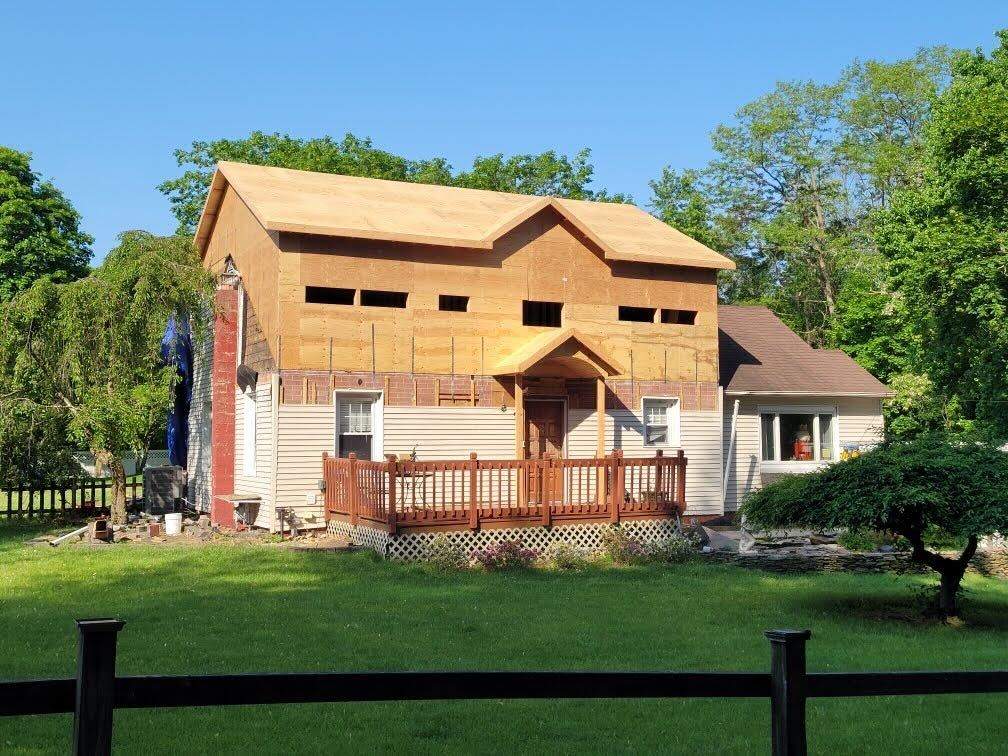
A professional team like All About Additions ensures that your new space doesn’t look like an afterthought. They focus on “architectural integration,” ensuring that the rooflines, siding, and window styles of your new addition match the existing character of your home perfectly.
3. Navigating Local Zoning and Building Permits
Every municipality has its own set of rules regarding how close you can build to a neighbour’s property line (setbacks) and how much of your lot can be covered by a structure (lot coverage).
- Zoning Variances: If your dream project exceeds local limits, you may need to apply for a “zoning variance,” a process that involves public hearings and neighbour notifications.
- Building Code Compliance: Modern renovations must meet current “Energy Star” standards and strict electrical codes. A licensed professional handles the paperwork and schedules “rough-in inspections” to ensure everything is legal and safe.
4. Selecting the Right Team
The relationship with your contractor will last months, so “vetting professionals” is the most important step you will take. You aren’t just looking for the lowest bid; you are looking for reliability and transparency.
Key Verification Steps:
- License and Insurance: Ensure they hold a valid state license and carry “General Liability” and “Workers’ Compensation.”
- Referrals and Portfolio: Look for a “proven track record” in projects similar to yours. Ask to see examples of “completed home additions” or “major kitchen remodels.”
- Communication Style: Does the contractor use a “project management platform”? Knowing how updates are delivered can save you hours of stress.
5. Living Through the Construction Process
Many homeowners underestimate the “disruption” of a major renovation. Before starting, you need a logistical plan for your daily life.
- Dust and Noise Mitigation: Ask your contractor about their “dust containment” strategies. Professional teams use high-grade plastic barriers and HEPA air scrubbers to keep the rest of your home livable.
- Temporary Living Spaces: If you are renovating your only kitchen, you will need a “temporary kitchenette” elsewhere. If the project is extensive, you may need to factor the cost of a short-term rental into your overall budget.
6. Understanding the Timeline and Lead Times
In the current market, “supply chain management” is a major factor in renovation timelines.
Pro Tip: Do not start demolition until your “long-lead items” (such as custom cabinetry, windows, and specialised appliances) have arrived or are confirmed for delivery.
A project that should take three months can easily stretch to six if you are waiting on a specific type of “hardwood flooring” or a custom-built vanity. A professional project manager coordinates these “material deliveries” to ensure the workflow remains continuous.
Comparison: DIY vs. Professional Management
Feature DIY / Unlicensed Licensed Professional (e.g., All About Additions)
Permits Homeowner takes legal risk Contractor handles all filings
Subcontractors Hard to find and vet Pre-vetted, reliable network
Warranties None, Labour and material guarantees
Resale Value May lack “Certificates of Occupancy”, be fully documented, and add market value.
Final Thoughts
A major renovation is a marathon, not a sprint. By prioritising “pre-construction planning” and hiring experienced professionals, you protect your biggest asset—your home. From securing the right permits to the final “punch list” walkthrough, every step requires a detail-oriented approach.