




Different Types and techniques of home Additions
Creating more room in your home with additions is a great idea. This appeal to your needs by providing extra space. You might want more room for your big family, an office at home, or to raise your home’s worth. It’s helpful to know about the different kinds of home additions and how they’re done. In this blog, we’ll look at a few common types of home improvements and the methods used to make them real.
1. Room Additions
A. Bedroom Additions
Putting in a new bedroom can really make a difference, particularly for families that are expanding. This kind of change can be anything from a modest growth of a current room to creating a brand new area. Methods require making the foundation bigger, building fresh walls, and checking for good air flow and light.
B. Living Room Extensions
Making your living room bigger gives you extra room for both special events and daily life. Common methods for this kind of expansion usually involve making the house’s base larger, strengthening the groundwork, and ensuring the added area blends well with the current design features.
2. Second-Story Additions
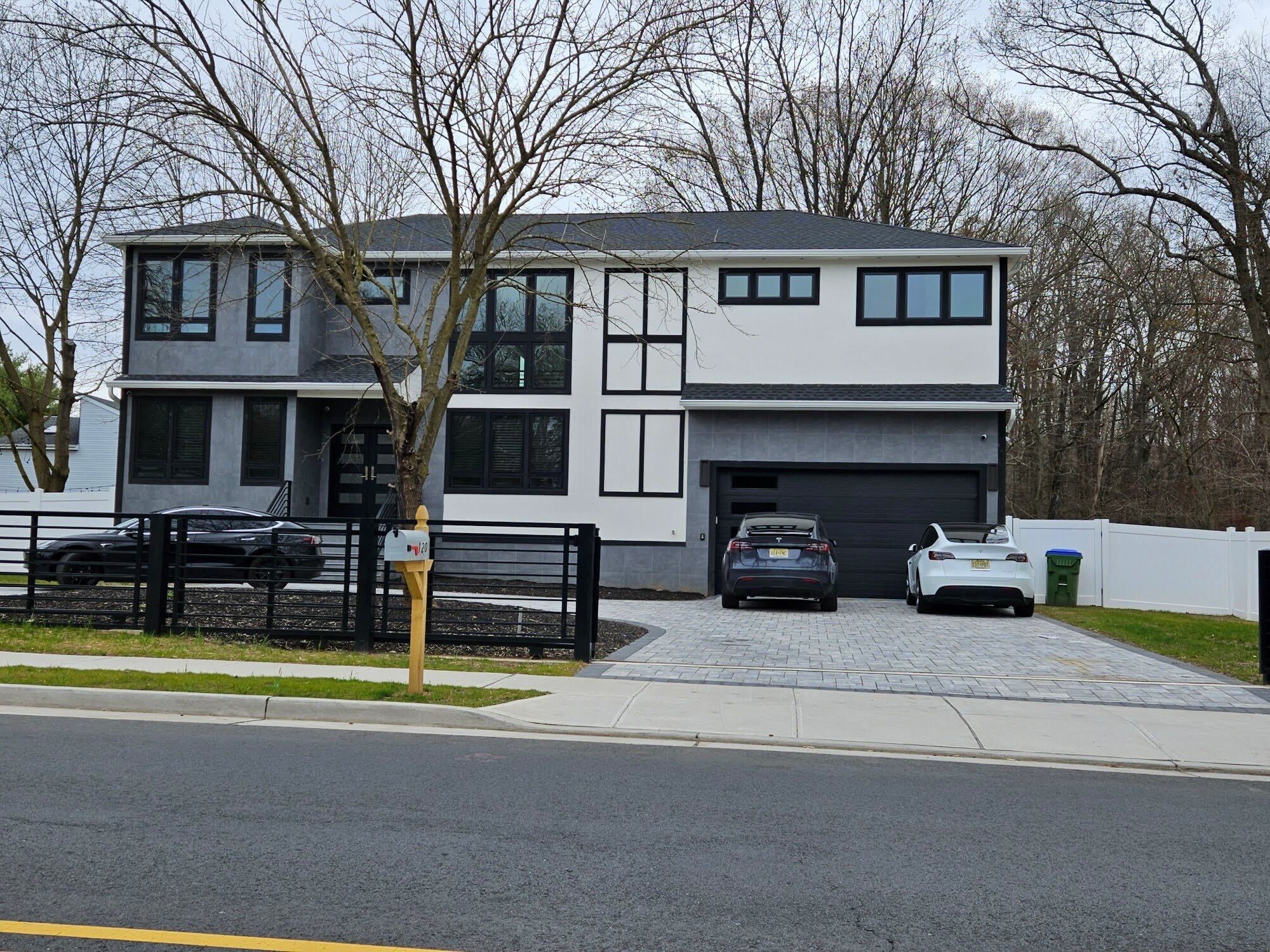
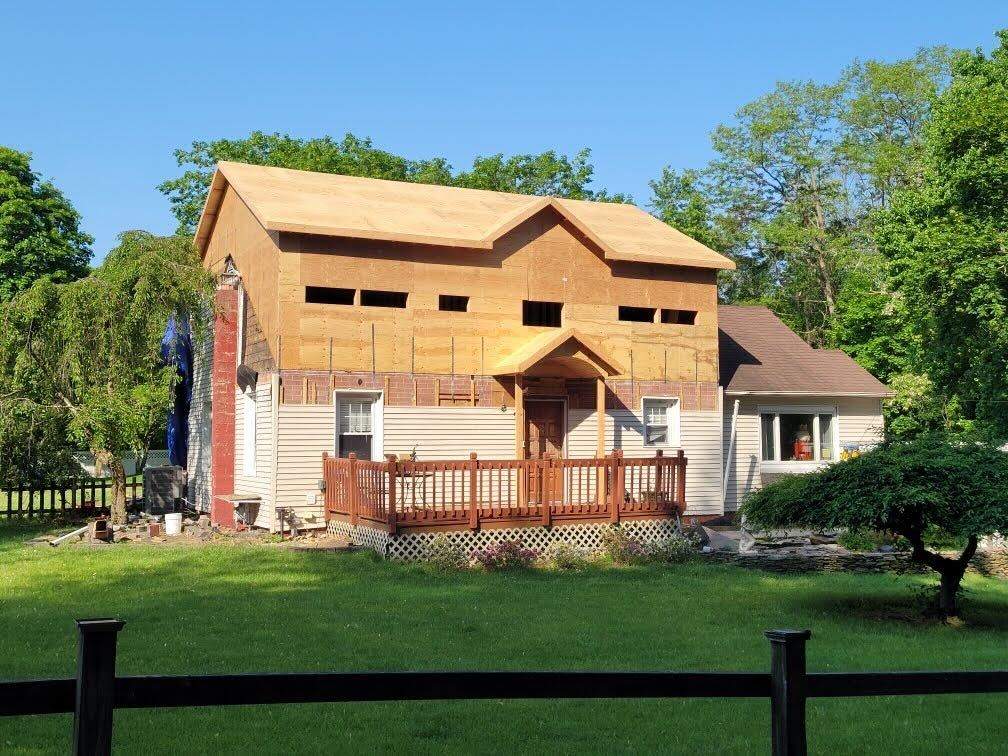
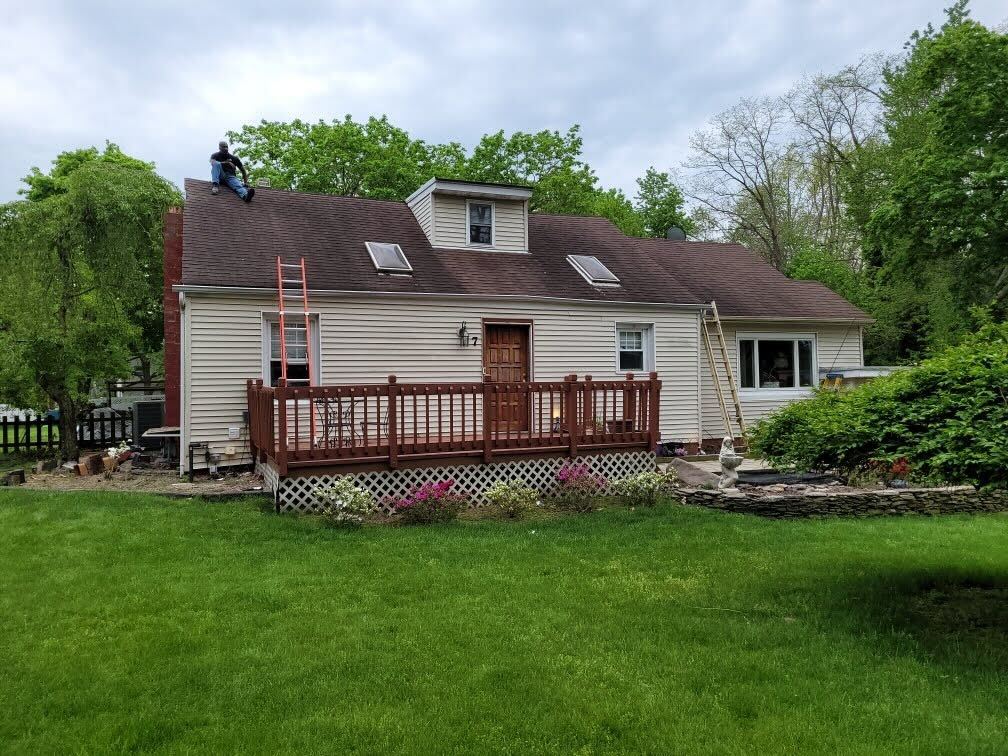
Putting in another level can greatly boost your house’s total size without changing its base. This kind of expansion needs major building shifts, such as:
- Reinforcing the Foundation: Ensuring the existing foundation can support the new story.
- Building Upwards: Constructing new walls, floors, and roofing.
- Matching Aesthetics: Integrating the new story seamlessly with the existing structure to maintain a cohesive look.
3. Garage Conversions
A garage conversion transforms an existing garage into a functional living space, such as an extra bedroom, office, or studio. Techniques include:
- Insulating and Drywalling: Turning the garage into a comfortable, climate-controlled area.
- Electrical and Plumbing Work: Adding necessary utilities to support the new function.
- Matching Exterior: Ensuring the converted space blends well with the rest of the home’s exterior.
4. Sunrooms and Conservatories
Sunrooms and conservatories provide additional living space while offering a connection to the outdoors. These additions often involve:
- Extensive Use of Glass: Incorporating large windows or glass walls.
- Structural Support: Installing reinforced framing to support the glass.
- Climate Control: Implementing heating and cooling solutions to ensure year-round comfort.
5. Bump-Outs
A bump-out refers to a slight enlargement of a current space, like a kitchen or bathroom. It’s less disruptive than a large scale expansion and usually includes:
- Foundation Work: Extending the existing foundation to support the bump-out.
- Seamless Integration: Ensuring that the new space matches the style and materials of the existing room.
- Efficient Design: Maximizing the use of the added space for functionality.
6. Basement Finishing
Completing a basement makeover can make an unused area into a snug gathering spot, like a personal movie theatre, play zone, or extra sleeping quarters. Methods used consist of:
- Waterproofing: Addressing any moisture issues to prevent future problems.
- Insulating: Adding insulation to ensure comfort and energy efficiency.
- Design and Layout: Creating a functional layout that complements the rest of the home.
7. In-Law Suites
In-law suites are self-contained living spaces within a home, designed to accommodate extended family members. These additions typically include:
- Private Entrances: Providing a separate entrance for privacy.
- Kitchen and Bathroom Facilities: Including essential amenities for independent living.
- Accessibility Features: Ensuring the suite meets the needs of all potential occupants.
Techniques and Considerations
1. Planning and Design
Before you begin with any house extension task, in-depth planning and layout are key. Collaborate with architects and designers to ensure your dream matches your house’s present structure and look.
2. Permits and Regulations
Almost all home expansions need permits and have to follow local construction rules. Check with local officials to make sure your plan fits all the rules.
3. Budgeting
Adding to your home can be expensive, that’s why it’s key to create a sensible budget. Factor in the money you’ll need for materials, work force, official permissions, and surprises.
4. Hiring Professionals
If the addition is complex, hiring contractors, builders, or experts might be necessary. Opt for experienced professionals who specialize in home additions for guaranteed good work.
Conclusion
Boosting your home’s comfort and usefulness is a great chance that home additions provide. Grasping the diverse styles and methods lets you make smart choices and build a place that suits your wants and desires. It doesn’t matter if you decide on adding a new room, extending upward, or changing your garage. Careful organization and expert advice are essential for a well-done job.