




What Is the Cost of Expanding a House in Edison, NJ?
Planning a significant home improvement project in Middlesex County requires a blend of financial foresight and local expertise. If you are beginning to research the logistics of your project, you may find that consulting with building additions specialists in Edison NJ is the most effective first step. These professionals can provide a realistic breakdown of costs based on the specific architectural trends and material availability in the Central Jersey market. What you should know is that the price of expanding a house is rarely a flat rate; it is a variable figure influenced by structural requirements, the complexity of your existing foundation, and the quality of finishes you select to match your lifestyle.
The Breakdown of Hard Costs
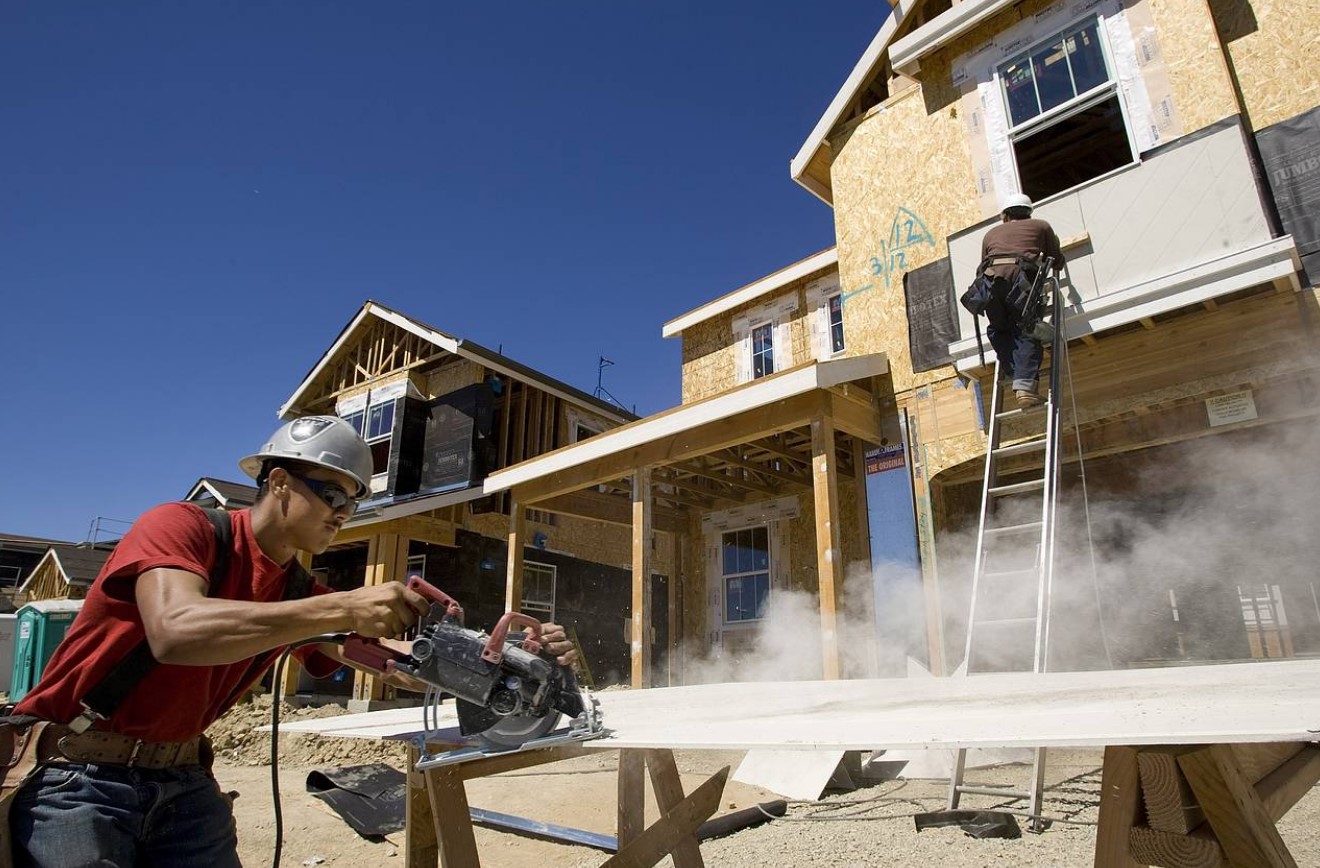
In the construction world, “hard costs” refer to the tangible materials and labor required to physically build the structure. For an Edison home, this typically starts with excavation and foundation work. Whether you are opting for a full basement crawlspace or a slab-on-grade foundation, this phase represents a significant portion of your initial investment.
Material costs for lumber, roofing, and siding have fluctuated in recent years, making it essential to get updated quotes. Furthermore, the interior elements—such as drywall, flooring, and paint—add up quickly. If your expansion includes “wet rooms” like a master bathroom or an expanded laundry room, the cost will increase due to the necessity of professional plumbing and tile work.
Soft Costs: Permits, Design, and Engineering
Beyond the wood and nails, homeowners must budget for “soft costs.” Edison has specific municipal requirements that necessitate professional oversight. You will likely need to hire a licensed architect to draft blueprints that comply with the New Jersey Uniform Construction Code.
Additionally, permit fees in Edison are often calculated based on the estimated cost of the project or the square footage being added. You may also need a land survey to ensure your residential remodeling project does not violate property setbacks or easement agreements. Skipping these professional services can lead to legal headaches and structural failures that cost far more to fix than the initial service fees.
Utility Integration and HVAC Upgrades
A common oversight in budgeting is the capacity of your current home systems. Adding 500 to 1,000 square feet of living space often means your existing furnace or air conditioning unit will no longer be sufficient to maintain a comfortable temperature.
- Electrical Panels: You may need to upgrade from a 100-amp to a 200-amp service to handle the additional lighting and outlet loads.
- HVAC Systems: Options include extending your current ductwork or installing a ductless mini-split system specifically for the new addition.
- Plumbing Lines: Connecting new fixtures to the main sewer line requires precision to ensure proper drainage and pressure.
Customization and High-End Finishes
The final price tag is heavily influenced by your choice of “jewelry” for the home—the fixtures, cabinetry, and hardware. All About Additions suggests that homeowners prioritize high-traffic areas when choosing premium materials. For example, investing in high-quality insulation and energy-efficient windows will offer a better return on investment (ROI) through lower utility bills than spending the entire budget on exotic hardwood floors. Custom cabinetry and stone countertops in a kitchen bump-out will also drive costs higher but significantly boost the resale value of the property in the competitive Edison real estate market.
Why More Homeowners Are Choosing to Add Extra Space
In today’s economic climate, more homeowners are choosing to add extra space rather than navigating the high interest rates and low inventory of the current housing market. By investing in a home footprint expansion, you can tailor your environment to your specific needs—whether that is a dedicated home office, a multi-generational living suite, or a larger family room—without the stress of moving. This trend has made custom home extensions a popular way to “buy” a new house while staying in a familiar neighborhood with top-rated schools.
Managing the Contingency Fund
No matter how detailed your initial quote is, the “unforeseen” is a standard part of construction. When opening up walls of an older Edison home, builders might discover outdated wiring, pipe corrosion, or structural rot that wasn’t visible during the walkthrough. It is a best practice to set aside a contingency fund of 10% to 15% of the total project cost. This buffer ensures that if a surprise arises, the project doesn’t grind to a halt.
Long-Term Value and ROI
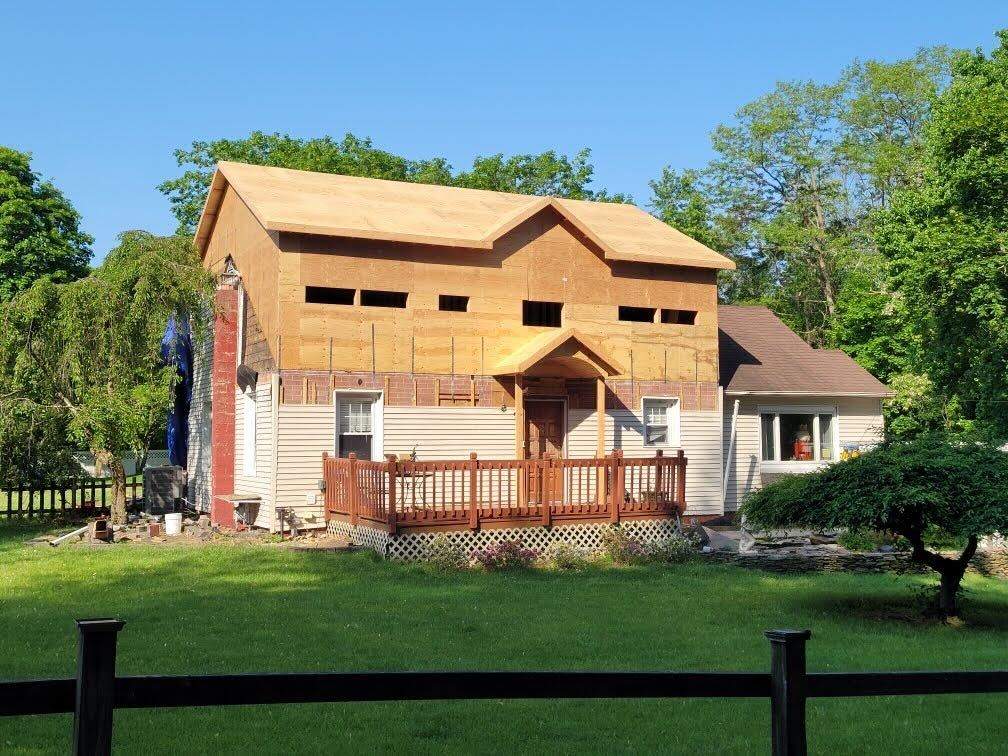
While the upfront cost of a second-story addition or a ranch-style extension can be daunting, it is important to view it as a long-term asset. Edison remains a highly desirable location for commuters due to its proximity to transit hubs. A well-executed project by All About Additions ensures that your home stays competitive in the local market. Generally, adding a bedroom or a bathroom offers the highest recoupable cost, often returning a large percentage of the investment upon the eventual sale of the home.
Planning Your Investment
The most successful expansions are those where the budget is aligned with realistic expectations. By working with local experts who understand the Edison landscape, you can create a detailed financial roadmap. From the first shovel in the ground to the final coat of trim paint, understanding where every dollar goes will help you navigate the process with confidence and peace of mind.