







When Should You Consider a Full-Service Contractor Instead of a Specialist?
Some jobs need one trade. A leaky pipe needs a plumber. A broken light needs an electrician. Other jobs need many trades. They need a plan, a schedule, and permits. That is when a full-service contractor helps most. A full-service contractor is a general contractor. They run the whole job. This guide shows when to pick a general contractor and why it can save time, money, and worry.
What a full-service contractor does
A full-service contractor manages the whole project. They plan the work. They hire the trade teams. They buy the materials. They pull permits. They schedule inspections. They solve problems that come up. You have one point of contact. You do not chase many phone numbers. For many home projects, this work is valuable and steady.
What a specialist does
A specialist focuses on one skill. Roofers do roofs. HVAC techs do heating and cooling. Tile crews do tiles. A specialist is fast and deep in one field. For small, clear jobs, a specialist is a good choice. They can be cheaper and quicker for single tasks.
Big projects need coordination
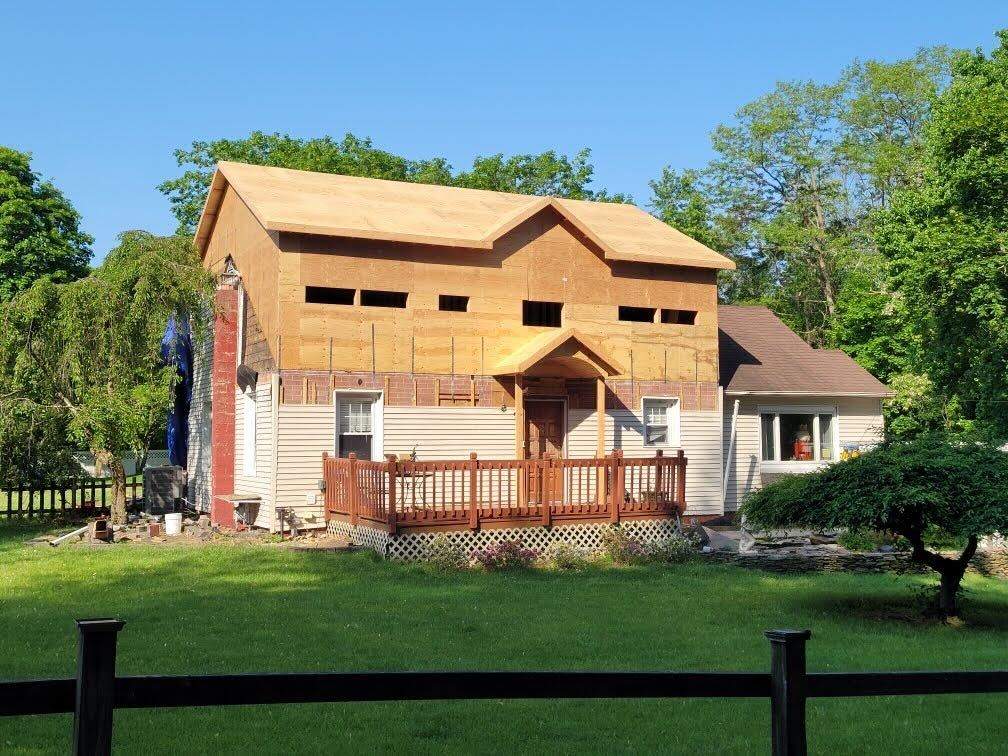
Additions need roofs, walls, plumbing, heat, and power. Kitchens touch gas lines, cabinets, and wiring. Whole-house work has many steps. Trades must work in the right order. If they do not, work stops. A general contractor plans the order. They keep crews from getting in each other’s way. This saves time and money.
When permits matter
Many towns in Middlesex County require permits. Work that changes structure or systems must be checked. Permits keep the job legal. They also protect your home later. A full-service contractor knows local rules. They file the permits and book inspections. This keeps the project moving without costly hold-ups.
When schedules are tight
If you need the work done by a date, hire a GC. A move-in date or a sale can set a hard end. A GC works with trades and suppliers. They make a schedule and stick to it. If a delay comes, they find a fix. They can add a crew or reorder tasks. This keeps the finish date real.
When hidden work may appear
Old homes hide surprises. Wood rot, old wiring, and bad pipes can show only after demo. A specialist may not be ready for big changes. A full-service contractor plans for this. They build a small reserve in the budget. They handle the change orders and the new work. This keeps the job flowing.
When you want one warranty
If many trades work on your home, you want one phone number if things go wrong. A GC often offers a single warranty for the whole job. If a leak shows up, the GC calls the right trade. This is simpler than calling five different vendors. For long projects, one warranty is a real value.
When the project touches many systems
Kitchens, baths, and basements touch plumbing, gas, electric, and structure. These systems must work together. A GC checks how each system will fit. They make sure vents, drains, and power meet code. They coordinate the work so nothing conflicts. This reduces rework and risk.
When cost and value matter
A GC may cost more up front. But they save money in other ways. They order materials in the right amount. They avoid duplicate work. They prevent costly mistakes. A good GC also helps pick materials that last. They help you spend where it matters and save where you can.
When you lack time or patience
Managing a build takes time. You must answer questions, pick finishes, and meet crews. If you do not have the time, the GC takes it all on. They handle calls and updates. They keep the site tidy. This frees you to work, care for family, or travel.
When the job is phased or large
If your project will come in phases, a GC plans the phases. They stage work and protect finished areas. They keep a safe, clean site as the job grows. This is hard for a single specialist to do across many phases. For large jobs, a GC is the right choice.
When local knowledge helps
A local GC knows Middlesex County. They know inspectors, suppliers, and trades that show up on time. They know local common issues, soil, and old wiring types. This local skill speeds permits and keeps the job to code. For homeowners in Middlesex County, local knowledge is a big plus.
When a hybrid approach works
Not every job needs full control. Sometimes you hire a GC and one trusted specialist does a key task. The GC manages the rest. This hybrid model keeps your favorite specialist while giving you the GC’s oversight. It can be a good compromise.
How to decide
Ask these simple questions:
- Does the job touch structure, systems, or more than one trade?
- Do you need permits or inspections?
- Is the timeline tight or fixed?
- Do you want one contact to manage the work?
- Do you prefer a single warranty and follow-up?
If you answer yes to any of these, think full-service.
How to pick the right GC
Choose a licensed local GC. Ask for a clear written scope. Ask how they handle change orders. Ask for a timeline and a payment plan. Check references. Ask about insurance and warranties. A careful pick now will save time later.
Final thoughts
A full-service contractor adds real value on many jobs. They plan, manage, buy, and stand behind the work. For large jobs, multi-trade projects, and permit work in Middlesex County, a GC often makes the most sense. For one small task, a specialist may do fine. If you are unsure, call a trusted local GC like All About Additions LLC. We will walk your home, listen, and tell you what approach fits best.
If you want help deciding, call All About Additions LLC. We will talk through your needs and give a clear plan that fits your home and budget.