




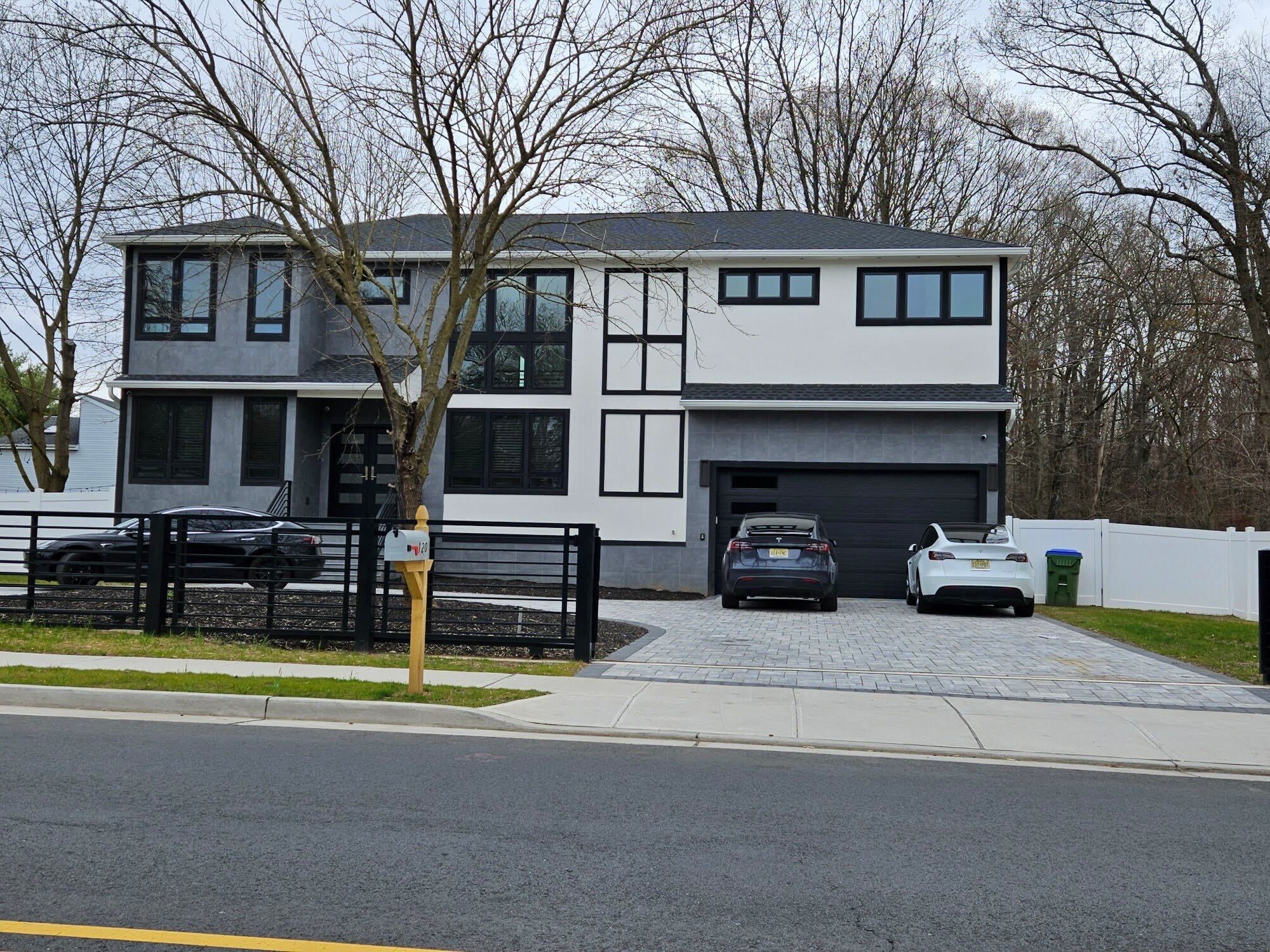
Residential Construction Services in Middlesex County, NJ
Undertaking a residential construction project in Middlesex County, New Jersey—whether a custom home build in Princeton Junction or a major renovation in Edison—involves navigating a complex financial landscape. The area’s dense population, proximity to major metropolitan centers, and stringent local regulations contribute to construction costs that are generally higher than the national average. To ensure a project remains on track and within budget, homeowners must understand the various components that contribute to the final price tag. Starting this journey with a clear understanding of financial expectations and the factors influencing them is critical, which is why engaging experienced General Contractors in Middlesex County is the first step toward a successful build. What follows is a detailed look at the cost breakdown for residential construction services in this central New Jersey area.
What You Should Know: The Major Cost Categories
Residential construction costs are typically divided into three primary categories: Soft Costs, Hard Costs, and the General Contractor’s Overhead and Profit. Understanding the distribution across these areas is essential for budget control.
1. Hard Costs: Materials and Labor (70% – 80% of Total Budget)
Hard Costs represent the direct, physical expense of building the home. In Central New Jersey, these costs are high and subject to market volatility.
- Materials: This includes everything from lumber and concrete to roofing, siding, and interior finishes. While national material averages exist (sometimes around $50 per square foot), supply chain stability and the choice of finishes heavily impact this number. Premium finishes (e.g., imported tile, custom cabinetry, high-end windows) can quickly push material costs upwards.
- Labor: Labor is often the most variable component in Middlesex County. Highly skilled tradespeople (electricians, plumbers, framers) command competitive wages. Labor costs can fluctuate based on the current demand in the local market. The complexity of the design—such as intricate framing, custom millwork, or complex mechanical systems—requires more specialized labor hours.
- Per Square Foot Estimate: While highly variable, general construction costs in New Jersey often range between $215 $370 per square foot for custom builds, excluding land costs. The final figure depends entirely on the design complexity and quality of finishes selected.
2. Soft Costs: Pre-Construction Expenses (10% – 15% of Total Budget)
Soft costs are the necessary non-physical expenses incurred before and during construction. These are mandatory and location-dependent.
- Architectural and Engineering Fees: Designing a new home or significant addition requires detailed blueprints, structural engineering reports, and sometimes specialized reports (like geotechnical analysis). These fees are substantial but essential for accurate pricing and permitting.
- Permits, Fees, and Inspections: Every municipality in Middlesex County (New Brunswick, Woodbridge, Piscataway, etc.) has its own fee schedule, but all adhere to state UCC (Uniform Construction Code) regulations. Fees are typically based on the project’s volume (cubic feet) or estimated cost (e.g., $20-$35 per $1,000 of valuation for renovations/alterations). These fees cover building, plumbing, electrical, and fire subcode inspections and can amount to thousands of dollars.
- Surveys and Land-Use Approval: Depending on the project, you may need a new property survey, zoning variance approvals, or wetlands delineation, adding both cost and time to the pre-construction phase.
The General Contractor’s Role in the Cost (10% – 20% of Total Budget)
The fee charged by General Contractors in Middlesex County covers their overhead, project management, and profit margin. This is the fee for expertise, risk management, and coordination.
Overhead and Project Management
This fee covers the contractor’s operating expenses: office staff, insurance, tools, vehicles, and, most importantly, the dedicated project management required to keep the build running efficiently.
- Coordination: A significant portion of this cost covers managing all subcontractors (HVAC, plumbing, electrical), ensuring quality control, adherence to the schedule, and coordinating the many required municipal inspections.
- Insurance: Contractors must carry significant general liability insurance and Workers’ Compensation to operate legally in New Jersey, protecting the homeowner from liability should an accident occur on site. This cost is factored into the contract.
Profit Margin and Contract Types
The profit margin is the contractor’s compensation for undertaking the project and the associated risk. Contractors typically use one of two contract models:
- Fixed-Price Contract: The homeowner is quoted one set price. The contractor absorbs all risk for overruns, but the initial price includes a higher profit margin to account for that risk.
- Cost-Plus Contract: The homeowner pays the actual cost of materials and labor, plus a fixed fee or a percentage (often 15% to 20%) for the contractor’s overhead and profit. This offers more transparency but shifts some cost risk back to the homeowner.
Key Factors Driving Costs in Middlesex County, NJ
Several regional and project-specific factors exert upward pressure on construction costs in this area:
Site and Location Variables
- Land Cost: The high cost of land in Central New Jersey, particularly near transit hubs or highly-rated school districts, significantly drives up the total project investment.
- Site Preparation: Projects on uneven lots, those requiring extensive excavation, or demolition of an existing structure will incur additional costs for grading, tree removal, and debris disposal.
- Accessibility: Building in older, tighter developments (common in many Middlesex County towns) can increase labor costs due to limited staging areas for materials and equipment, slowing down productivity.
Design and Specification Choices
- Customization and Complexity: Simple, rectangular designs are cheaper to frame and roof than complex layouts with multiple corners, rooflines, and dormers. The level of customization—from bespoke trim work to complex smart home systems—adds both material cost and labor time.
- The Contingency Fund: Given the age of many homes in the county, a contingency of 15% to 20% is essential for dealing with unexpected issues like mold, outdated wiring, or structural deficiencies discovered during demolition. Failure to allocate this fund is the most common reason projects go over budget.
Understanding this cost breakdown and partnering with experienced General Contractors in Middlesex County who provide transparent, detailed estimates will give homeowners the best chance of realizing their vision without major financial setbacks.