




Home Addition vs. Moving: Which Option Saves More Money?
As families grow and lifestyle needs change, many homeowners find themselves needing more space. At that point, they are often faced with two options: move to a larger home or expand their current one. While both choices can solve space limitations, working with a Building Addition Specialist to add square footage to your existing property is often the more cost-effective and practical solution. Understanding the financial implications of each option can help homeowners make a decision that benefits them both now and in the future.
Before putting your home on the market or searching for a new property, it’s important to compare the true costs associated with moving versus investing in a home addition.
The True Cost of Moving
Many homeowners assume moving is the simplest solution when they need more space. However, purchasing a new home involves far more expenses than the listing price alone.
Some common moving-related costs include:
- Real estate agent commissions
- Closing costs
- Down payments
- Home inspections
- Property taxes
- Moving company fees
- Utility setup charges
- Home repairs and updates
- Mortgage-related fees
These expenses can quickly add up, making relocation significantly more expensive than initially expected.
In addition, today’s housing market can make finding a suitable home both challenging and costly. Larger homes often come with higher purchase prices, higher taxes, and increased maintenance expenses.
Emotional Costs of Relocating
Beyond financial considerations, moving can create emotional challenges for homeowners and their families.
Relocating may require:
- Leaving a preferred neighborhood
- Changing schools
- Adjusting to a new community
- Increasing commuting times
- Leaving friends and neighbors behind
For many families, these lifestyle disruptions carry a value that cannot easily be measured in dollars.
Remaining in a familiar environment while expanding your current home often provides greater stability and comfort.
Understanding Home Additions
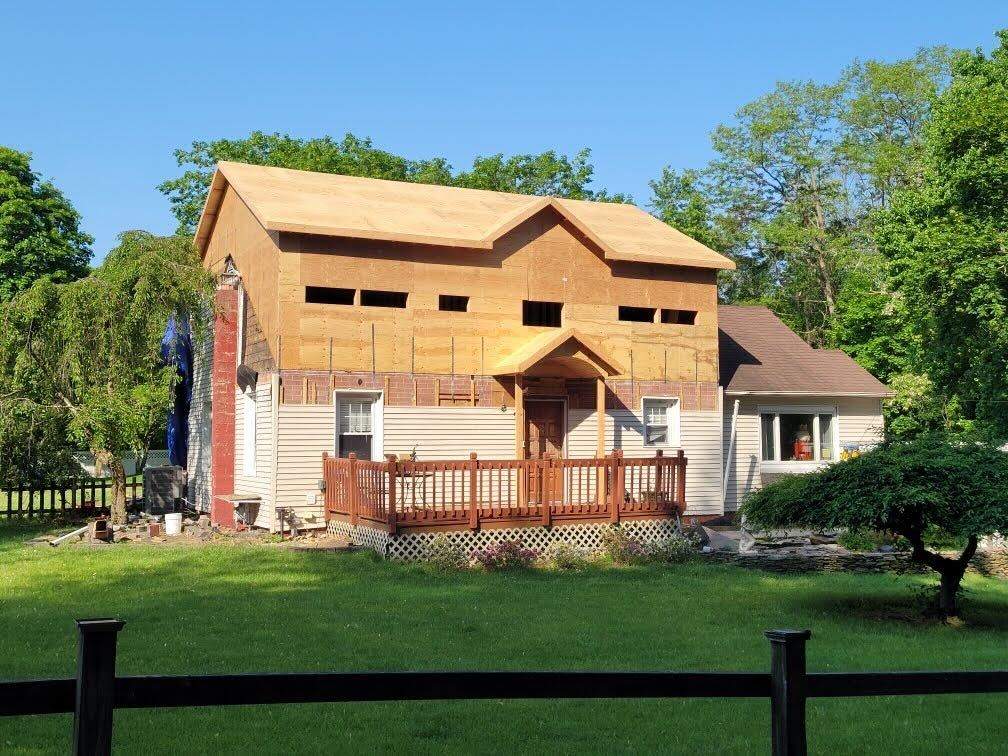
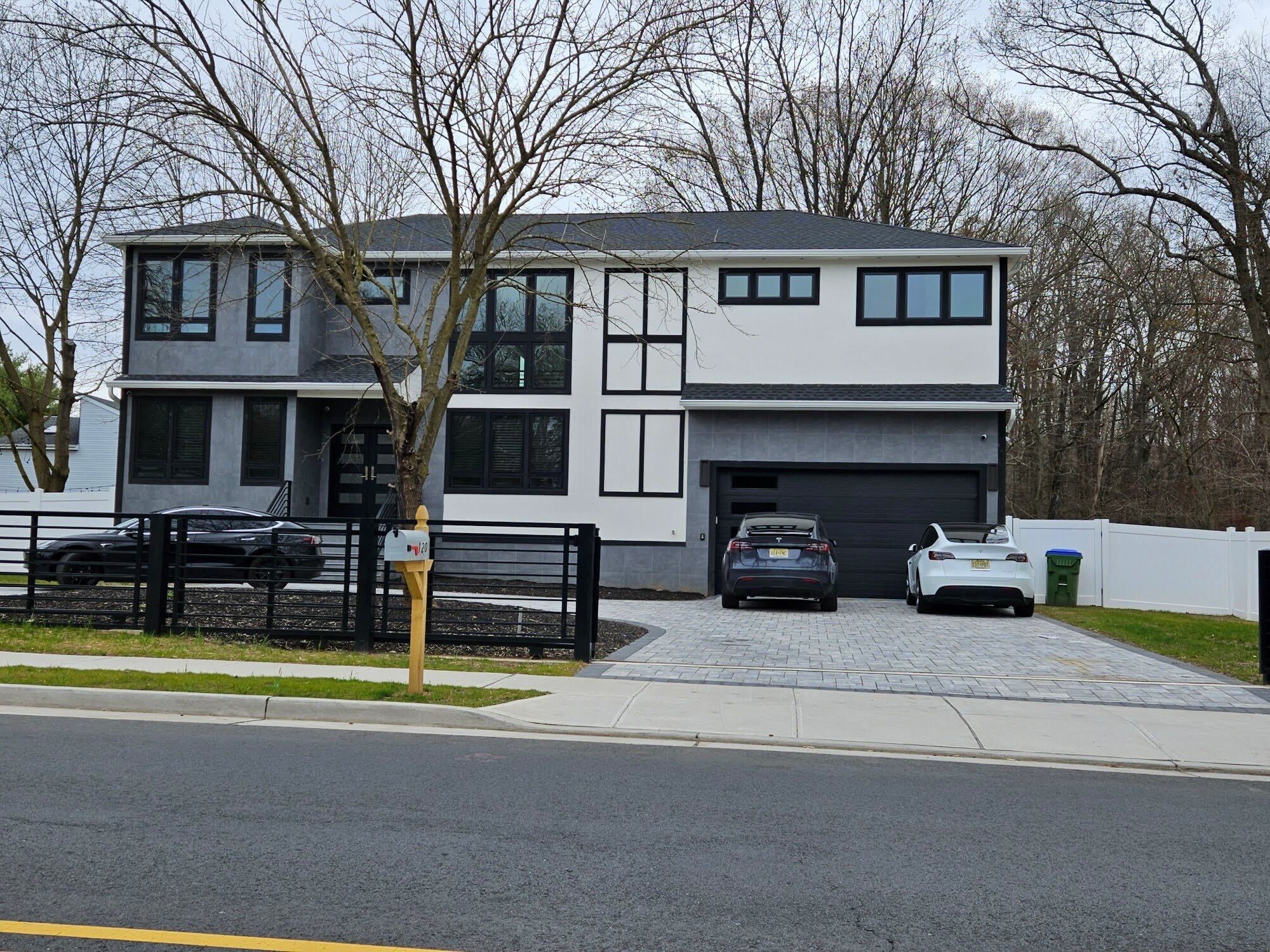
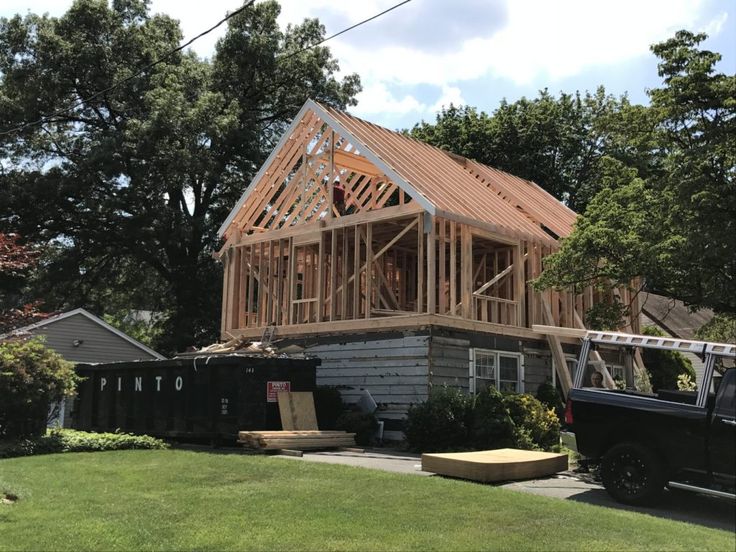
A home addition involves creating new square footage by expanding the existing structure. Homeowners can add rooms, enlarge living areas, construct second-story additions, or build entirely new sections designed to meet their needs.
Popular additions include:
- Extra bedrooms
- Home offices
- Family rooms
- Guest suites
- Sunrooms
- Expanded kitchens
- Additional bathrooms
Unlike moving, a home addition allows homeowners to customize the new space according to their exact requirements.
Comparing Costs: Addition vs. Moving
When evaluating costs, many homeowners discover that adding space is often more affordable than purchasing another home.
Moving Expenses
A move typically includes:
- Realtor commissions that may consume a significant percentage of the home’s sale price
- Closing costs on both selling and purchasing properties
- Moving services and transportation expenses
- New furnishings and upgrades
- Increased mortgage payments
These expenses often reach tens of thousands of dollars before homeowners even begin settling into their new property.
Addition Expenses
A home addition requires:
- Design and planning
- Building permits
- Construction materials
- Labor costs
- Interior finishing
While construction represents a substantial investment, the money is being invested directly into your existing property rather than being spent on transaction fees and relocation expenses.
In many cases, homeowners gain the exact amount of space they need while preserving the value of their current home.
Increased Property Value
One major advantage of home additions is their potential to increase property value.
Additional square footage generally makes a home more attractive to future buyers. Features such as:
- Additional bedrooms
- Modern kitchens
- Home offices
- Guest suites
- Expanded living areas
can increase both marketability and resale value.
Rather than spending money on moving-related costs that generate little return, homeowners investing in additions often enhance the long-term worth of their property.
Customization Benefits
When purchasing another home, homeowners must often compromise on features, layouts, or design preferences.
A home addition provides complete control over:
- Room size
- Layout
- Design elements
- Storage solutions
- Finishes and materials
This flexibility allows families to create spaces that meet their specific needs instead of adapting to someone else’s design choices.
Customized living spaces often provide greater satisfaction than relocating to a home that only partially meets expectations.
Staying in a Desirable Neighborhood
Location is one of the most valuable aspects of any property.
Many homeowners enjoy:
- Nearby schools
- Convenient shopping
- Familiar neighbors
- Local amenities
- Short commutes
Finding another home with all the same benefits may be difficult and expensive.
A home addition allows families to stay in the neighborhood they love while gaining the extra space they need.
Long-Term Financial Advantages
Home additions frequently provide stronger long-term financial value than moving.
Benefits include:
- Increased home equity
- Higher resale potential
- Avoidance of relocation costs
- Preservation of favorable mortgage terms
- Improved property functionality
For homeowners with low-interest mortgage rates, staying in their current home can be especially advantageous compared to purchasing a new property at higher rates.
When Moving May Be the Better Choice
While additions are often cost-effective, there are situations where moving makes more sense.
Examples include:
- Significant structural limitations
- Small lot sizes preventing expansion
- Major neighborhood changes
- Desire for a completely different location
- Extensive property issues requiring major renovations
In these situations, relocating may provide a more practical solution.
However, homeowners should carefully compare total costs before making a final decision.
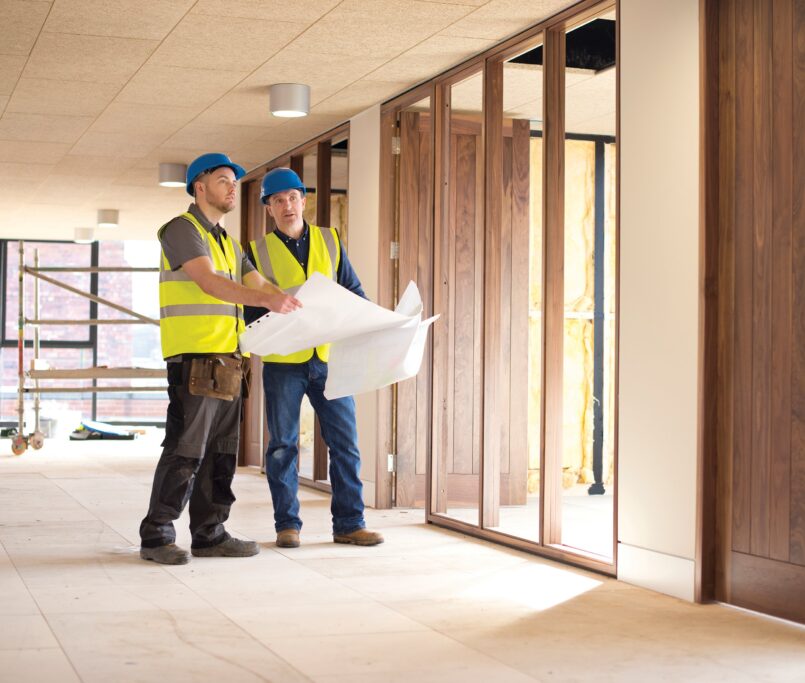
Working with a Building Addition Specialist
Professional guidance is essential when planning a home addition.
A qualified Building Addition Specialist can help:
- Evaluate your property
- Determine expansion possibilities
- Develop practical designs
- Navigate permits and regulations
- Manage construction efficiently
Their expertise ensures the addition integrates seamlessly with the existing structure while maximizing both functionality and value.
Conclusion
When homeowners need more space, moving is not always the most economical solution. The expenses associated with selling, purchasing, and relocating can be substantial. In contrast, a home addition allows families to invest directly in their current property while increasing living space, functionality, and long-term value.
By carefully comparing costs and considering both financial and lifestyle factors, many homeowners discover that expanding their existing home is the smarter investment. With the help of an experienced Building Addition Specialist, you can create the extra space you need while preserving the comfort and familiarity of the home you already love.