


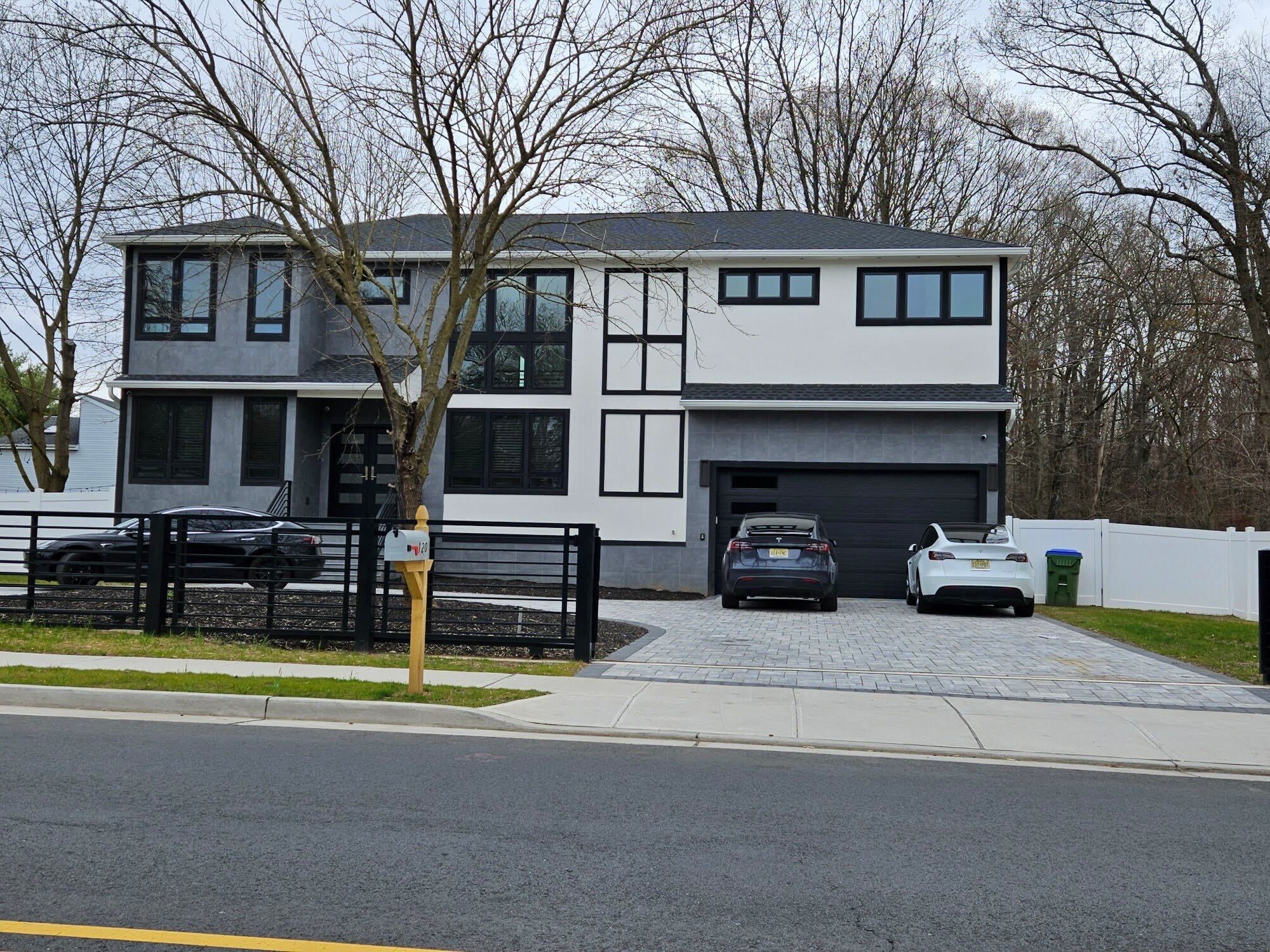



Planning a Home Addition: What Homeowners Should Know Before Getting Started
A home addition can provide valuable extra space without requiring your family to move to a new property. Whether you need another bedroom, a larger living area, a home office, or expanded space for a growing family, an addition can change the way you use your home.
However, building an addition is a significant construction project that requires careful planning and coordination. Working with professionals who provide General Contractor Services in Middlesex County, NJ can help homeowners understand the different stages involved.
Define the Purpose of the Addition
The first step is determining why you need additional space.
Your goals will influence the design and overall project requirements.
A family may need another bedroom for a growing household. Another homeowner may want a dedicated office for remote work.
Some additions are designed to expand kitchens, living rooms, or other existing spaces.
Clearly defining the purpose helps guide the planning process.
Consider How the New Space Will Connect
A successful addition should feel connected to the rest of the home.
Consider how people will move between the existing structure and the new area.
The layout should support daily activities and avoid creating awkward transitions.
Natural light, storage, access points, and furniture placement can also influence the design.
Planning these details early can improve the functionality of the completed space.
Understand the Construction Scope
A home addition may involve several major stages.
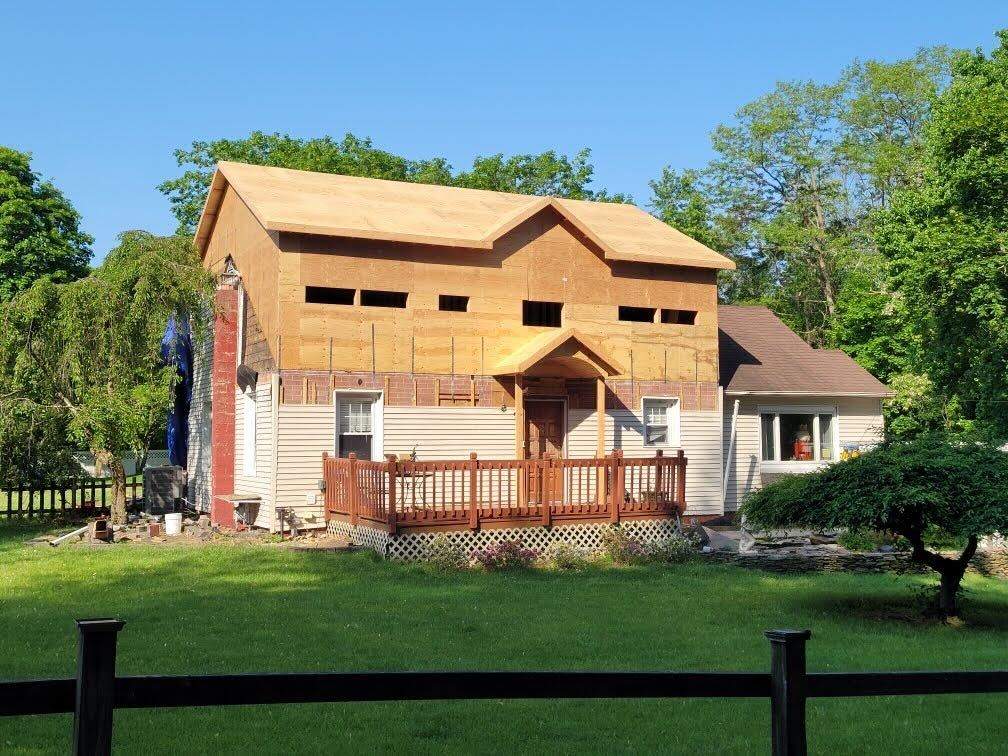
Depending on the design, work can include site preparation, foundation construction, framing, roofing, exterior work, insulation, electrical systems, plumbing, drywall, flooring, and finishing.
Each stage must be properly coordinated.
Because an addition connects with an existing structure, careful planning is important.
Think About Your Budget
Before starting, develop a realistic understanding of your financial priorities.
The size, materials, design complexity, and systems included in the addition can all influence the overall project cost.
Decide which features are essential and which may be optional.
It is also wise to understand that construction projects can sometimes reveal unexpected conditions.
Clear conversations about the budget can help homeowners make informed decisions.
Plan the Timeline
A home addition is not typically completed as quickly as a small cosmetic update.
The project timeline depends on the size and complexity of the work, material availability, weather, required approvals, inspections, and other factors.
Ask your contractor about the expected stages.
Understanding the general sequence can help you prepare for temporary disruptions.
Consider the Existing Home
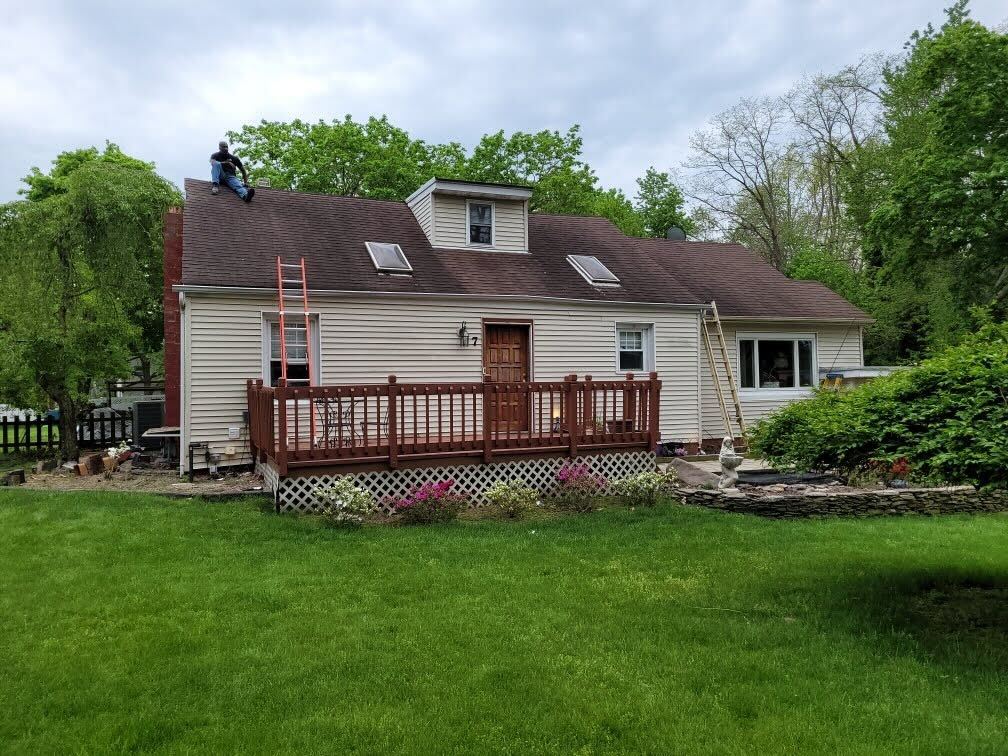
The existing structure plays an important role in planning an addition.
The new space needs to connect appropriately with the home’s layout and systems.
Contractors evaluate different aspects of the property to determine how the project can be approached.
This is one reason professional planning is important for larger construction projects.
Think About Future Needs
A home addition is a long-term investment in your property.
Consider how your needs may change over the next several years.
A flexible room may provide greater value than a space designed for only one temporary purpose.
For example, a room initially used as an office may later become a guest room or study.
Thinking about flexibility can help you create a more useful design.
Choose Materials Carefully
Materials influence both appearance and maintenance.
Consider how the addition will connect visually with the existing home.
Exterior materials, roofing, windows, flooring, and interior finishes should all be selected with the broader design in mind.
Material availability can also influence the construction schedule.
Making selections early can help the project move forward more efficiently.
Prepare for Temporary Disruption
Construction can affect your daily routine.
There may be noise, dust, limited access to certain areas, and temporary changes to how you use your property.
Planning ahead can make this period easier.
Discuss the construction process with your contractor and understand which areas may be affected at different stages.
The Importance of Professional Coordination
A home addition can require several different professionals and specialized services.
Managing every task independently can be challenging.
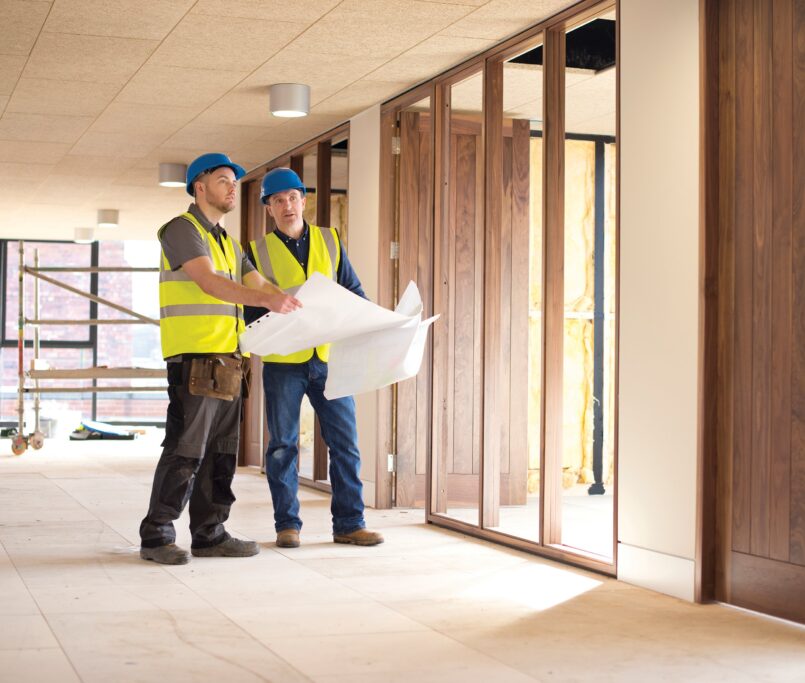
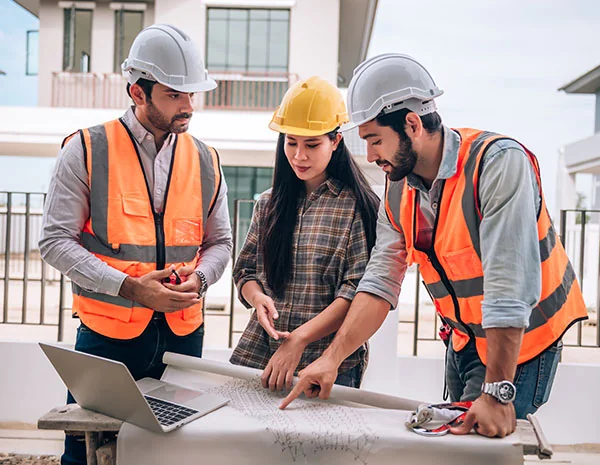
A general contractor can help coordinate the broader construction process.
This may include scheduling different stages, communicating about project progress, and organizing the work needed to move from planning to completion.
Ask Questions Before Starting
Homeowners should feel comfortable asking questions.
Important topics may include the scope of work, estimated timeline, material selections, communication process, and potential disruptions.
Understanding the project before construction begins can help reduce uncertainty.
A professional contractor should explain the process clearly and help homeowners understand the available options.
Final Thoughts
A home addition can create more space and improve the way your family uses your property.
However, successful results require thoughtful planning and organized construction.
Professional General Contractor Services in Middlesex County, NJ can help homeowners coordinate the different stages of an addition, from initial planning through construction and finishing.
By clearly defining your goals, considering future needs, planning your budget, and working with experienced professionals, you can approach your home addition with a stronger foundation for success.