





How to Plan a Successful Residential Construction Project
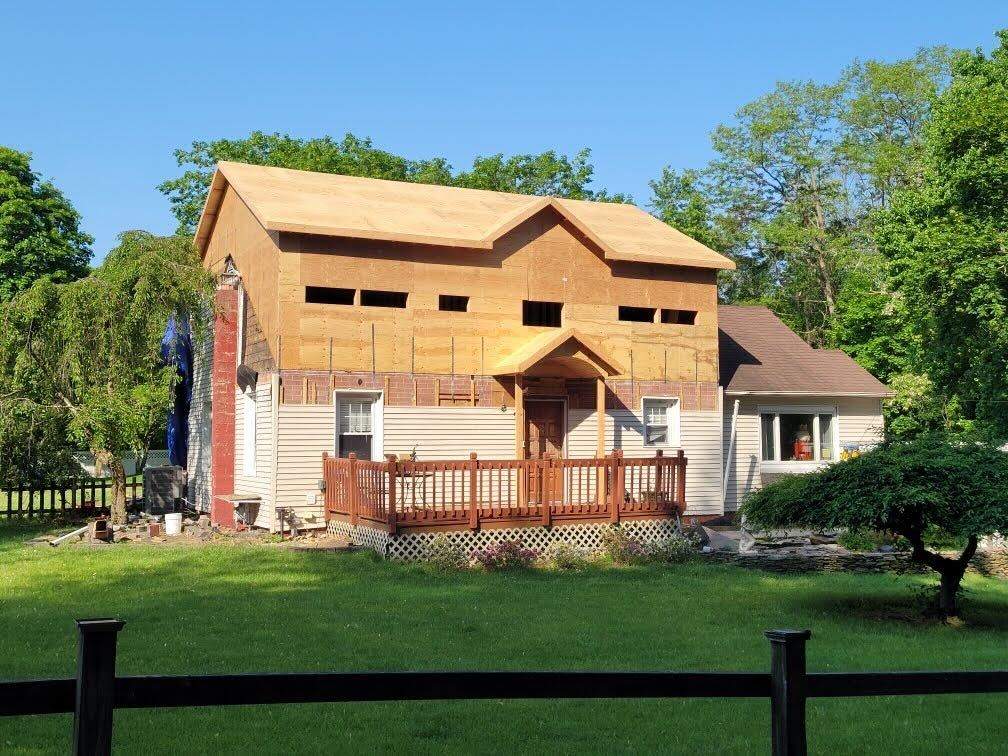
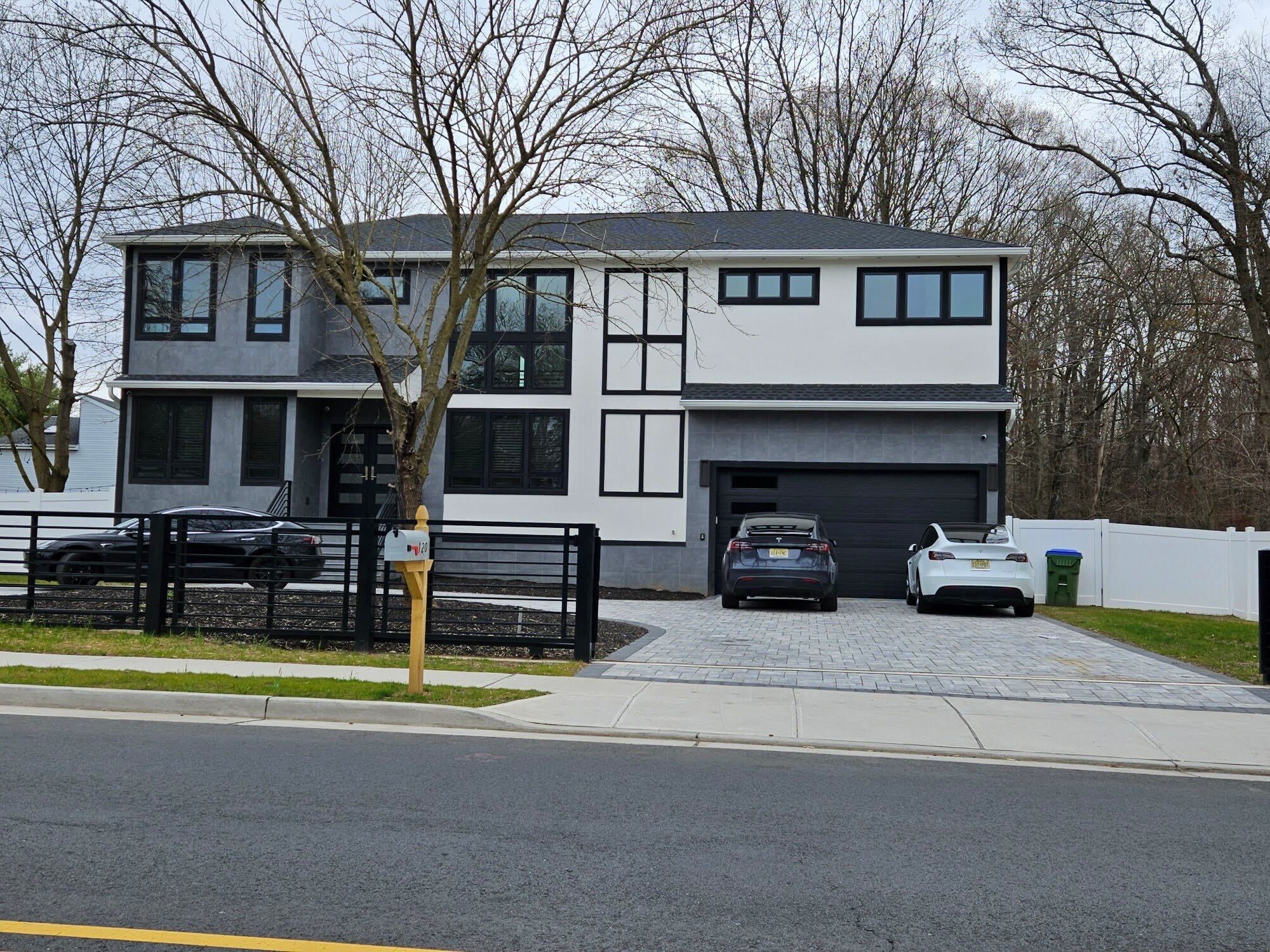
A residential construction project can be an exciting opportunity to improve your home and create a space that better fits your needs. Whether you are planning a major renovation, home addition, kitchen remodel, bathroom renovation, or another significant improvement, preparation plays an important role in the project’s success.
Working with professionals who provide General Contractor Services in Middlesex County, NJ can help homeowners organize the planning and construction process.
Start With Clear Goals
Every successful project begins with a clear purpose.
Ask yourself what you want to improve.
Do you need more living space? Is your home’s layout no longer functional? Are certain rooms outdated?
Your answers will help define the scope of the project.
Try to prioritize your needs.
Separate essential improvements from optional features.
This can help guide decisions if you need to adjust the project later.
Evaluate Your Existing Space
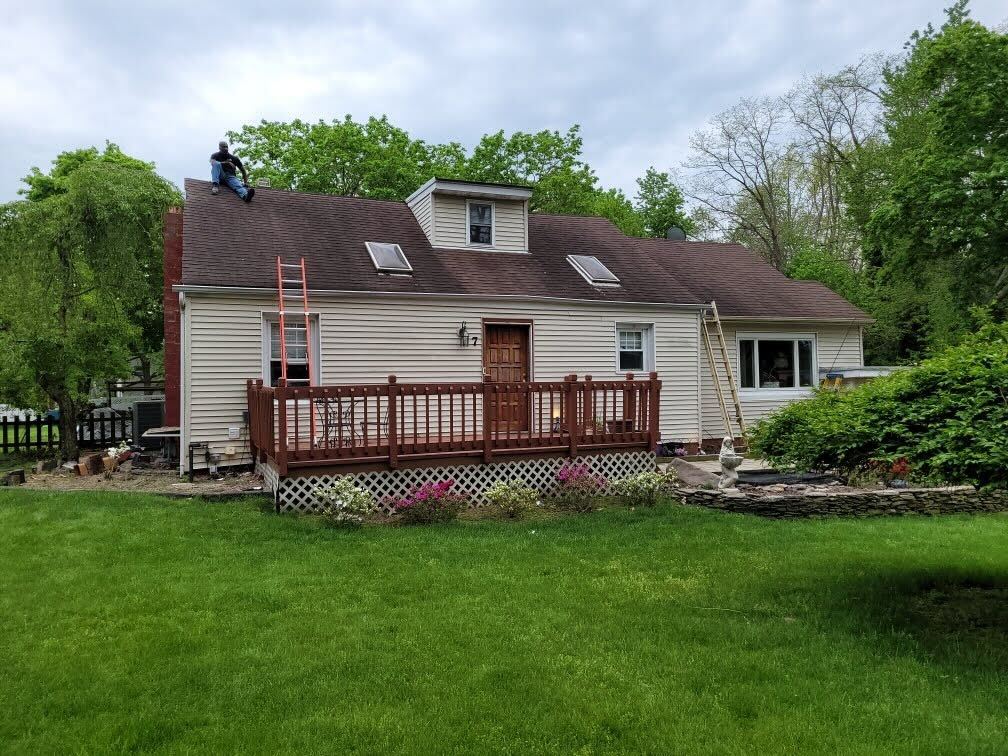
Before designing changes, carefully consider how your home currently functions.
Identify areas that create daily challenges.
A cramped kitchen may lack storage. An outdated bathroom may not provide enough comfort. A growing family may need additional rooms.
Understanding these issues helps create practical solutions rather than making changes based only on appearance.
Develop a Realistic Budget
Budget planning is an important part of any construction project.
Consider the size of the project, materials, labor, and the complexity of the work.
Discuss your priorities openly.
A contractor can help you understand the general factors that influence the project.
It is also helpful to understand that unexpected conditions may sometimes affect construction requirements.
Create a Practical Timeline
Construction takes time.
The project timeline depends on many factors, including the scope of work, material availability, weather conditions, inspections, and the availability of professionals.
Ask your contractor about the major stages.
Understanding the sequence helps you prepare for temporary disruptions.
Avoid setting expectations based only on the fastest possible completion date.
A realistic timeline is generally more helpful.
Choose the Right Professionals
The people involved in your project can influence the overall experience.
Look for professionals with relevant experience.
Ask about their approach to planning and project management.
Communication is also important.
You should feel comfortable discussing your goals and asking questions.
For major projects involving multiple stages, professional coordination can simplify the process.
Plan Your Design Carefully
A good design should balance appearance with functionality.
Think about storage, movement, lighting, and how each space will be used.
Consider your household’s daily routines.
A beautiful room is more valuable when it also supports practical needs.
For additions, consider how the new space will connect with the existing home.
Select Materials Early
Material decisions can affect both the appearance and schedule of a project.
Some products may have longer availability times.
Choosing important materials early can help reduce delays.
Consider durability and maintenance as well as appearance.
Flooring, cabinets, countertops, fixtures, and other finishes should match your lifestyle.
Understand the Construction Process
Construction usually progresses through several stages.
Depending on the project, these may include preparation, demolition, structural work, system installation, insulation, drywall, finishing, flooring, painting, and final installation.
The exact sequence depends on the project.
Understanding the general process can help homeowners know what to expect.
Maintain Open Communication
Stay involved throughout the project.
Ask for updates and communicate concerns early.
If you want to make a change, discuss it before related work progresses too far.
Clear communication helps contractors understand your priorities and allows homeowners to stay informed.
A general contractor can provide a central point of coordination for the broader project.
Prepare Your Household
Construction can temporarily change how you use your home.
You may need to relocate furniture, protect belongings, or avoid certain rooms.
For a kitchen renovation, you may need a temporary food preparation area.
Planning ahead can make daily life more manageable.
Discuss expected disruptions with your contractor before work begins.
Focus on Long-Term Value
When making decisions, think beyond immediate trends.
Consider how the improvement will serve your household in the future.
Durable materials, practical layouts, and flexible spaces can provide lasting benefits.
The best projects often balance current preferences with long-term functionality.
Work With an Organized General Contractor
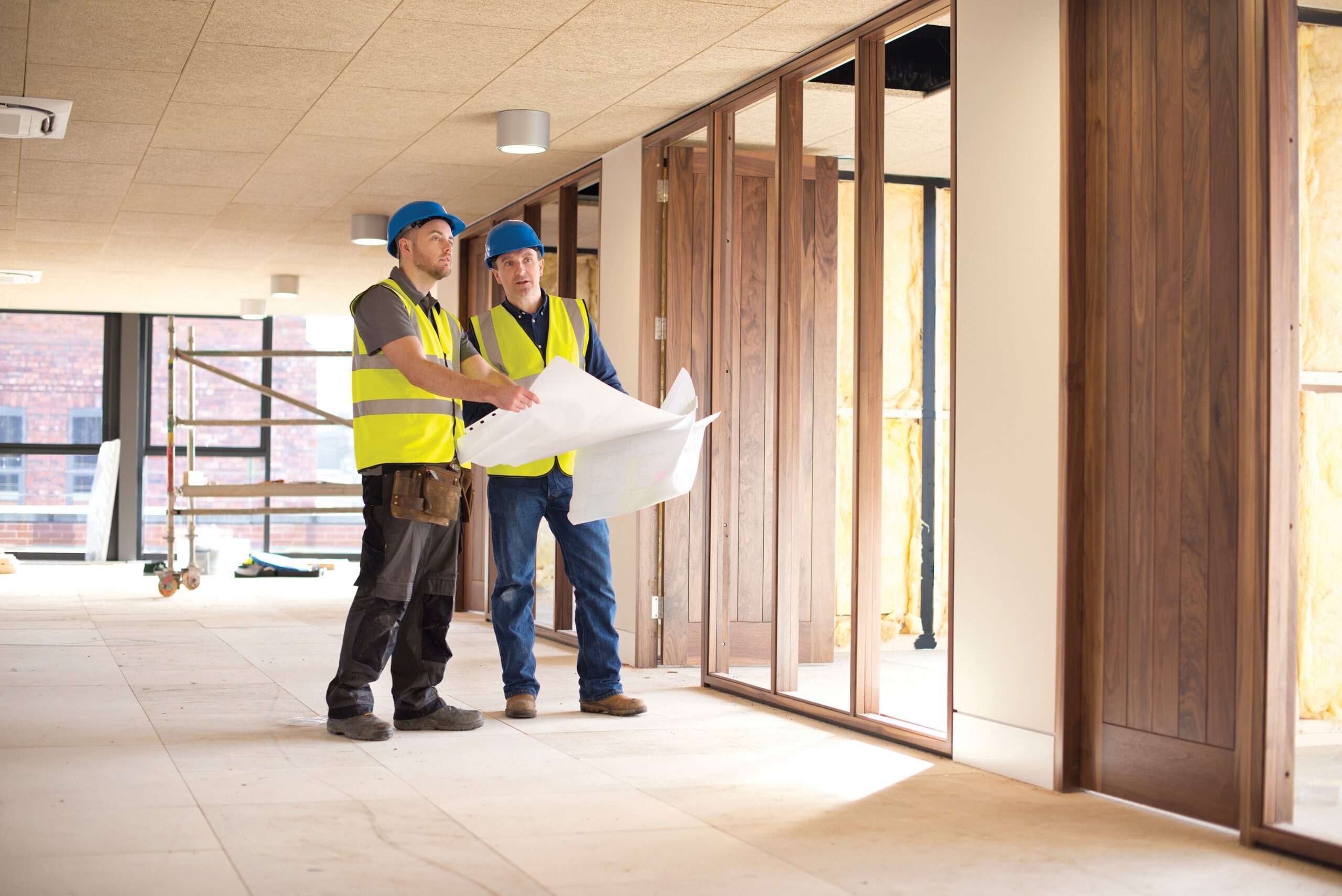
A general contractor can help coordinate different professionals, manage schedules, organize construction stages, and provide a clearer project structure.
For large renovations and additions, this coordination can be especially valuable.
Professional General Contractor Services in Middlesex County, NJ can help homeowners approach construction with a more organized process.
Final Thoughts
A successful residential construction project requires clear goals, thoughtful planning, realistic expectations, and strong communication.
From developing the initial concept to coordinating construction and completing final details, every stage matters.
Whether you are planning a renovation, home addition, kitchen remodel, or bathroom improvement, professional General Contractor Services in Middlesex County, NJ can help organize the process.
With careful preparation and the right construction team, you can create improvements that add comfort, functionality, and lasting value to your home.