





Building Addition vs. Home Renovation: Which Is the Better Investment?
Homeowners often reach a point where their current home no longer meets their needs. Whether it’s a lack of space, an outdated layout, or the desire to improve property value, deciding between a building addition and a home renovation can be challenging. While both options offer significant benefits, the right choice depends on your goals, budget, and long-term plans. Consulting a Building Addition Specialist can help you determine which investment provides the greatest value for your home and lifestyle.
A renovation focuses on improving or updating existing spaces, while a building addition increases the total square footage of your home. Understanding the differences between these two options can help you make an informed decision before starting your project.
Understanding a Home Renovation
A home renovation involves improving or modernizing the existing structure without significantly increasing its size.
Common renovation projects include:
- Remodeling kitchens
- Updating bathrooms
- Installing new flooring
- Replacing windows
- Painting interiors
- Upgrading lighting
- Improving storage
Renovations are ideal for homeowners who are satisfied with the size of their home but want a more modern appearance or improved functionality.
Understanding a Building Addition
A building addition creates new living space by expanding the home’s footprint or adding another level.
Popular additions include:
- Extra bedrooms
- Family rooms
- Home offices
- Guest suites
- Sunrooms
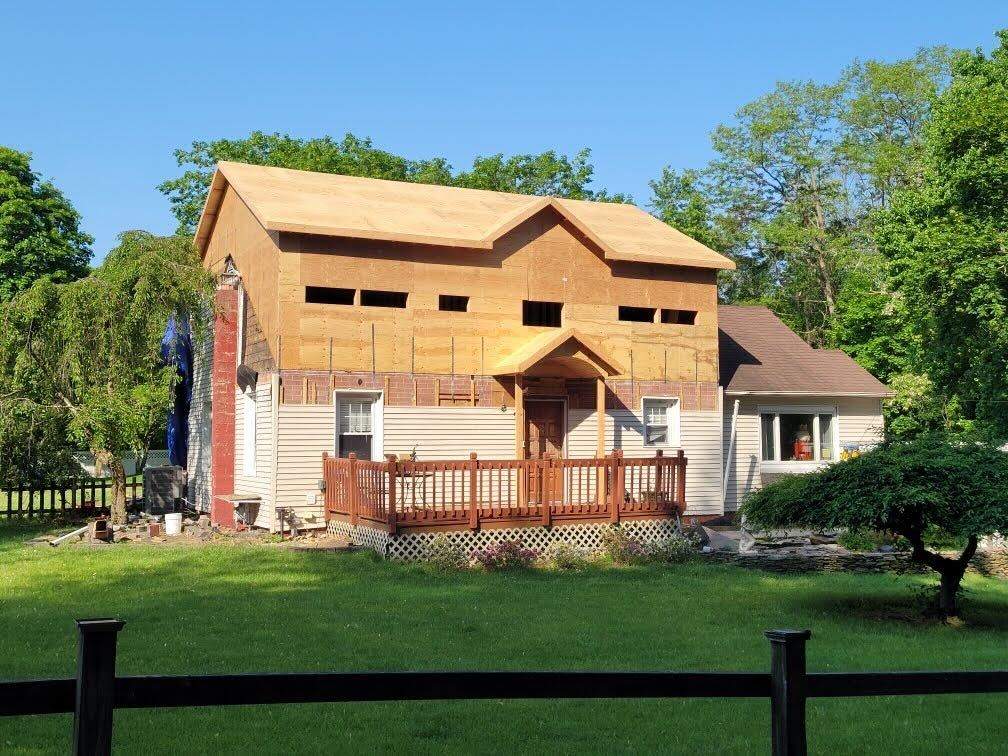
- Second-story additions
- Expanded kitchens
A Building Addition Specialist designs these projects to blend seamlessly with the existing structure while maximizing available space.
If your primary concern is insufficient square footage, a building addition is often the better solution.
When a Renovation Makes Sense
A renovation may be the right investment if:
- Your home has enough space.
- The layout works well.
- Rooms simply need updating.
- You want modern finishes.
- Major structural changes are unnecessary.
Renovations improve aesthetics and functionality while generally requiring less construction than a full addition.
They can also be completed more quickly depending on the scope of the project.
When a Building Addition Is the Better Choice
If your family has outgrown the home, adding space is usually more practical than remodeling existing rooms.
A building addition is ideal when you need:
- More bedrooms
- Larger living areas
- Additional bathrooms
- A home office
- A guest suite
- Extra storage
Rather than trying to rearrange limited space, an addition provides the room needed for your family’s changing lifestyle.
Comparing Costs
Both renovations and additions require financial investment, but their costs vary depending on project size and complexity.
Renovation costs often include:
- Demolition
- New finishes
- Fixtures
- Flooring
- Cabinets
- Paint
Building additions may include:
- Foundation work
- Framing
- Roofing
- Electrical installation
- Plumbing
- HVAC expansion
- Interior finishing
Although additions generally cost more upfront, they also provide additional square footage that can significantly increase property value.
Property Value Considerations
Both options can increase resale value, but they do so in different ways.
Renovations improve the appearance and condition of existing spaces, while additions create entirely new living areas.
Features that often increase resale value include:
- Additional bedrooms
- Larger kitchens
- Home offices
- Modern bathrooms
- Family rooms
A professionally completed building addition can make your home more attractive to buyers by offering both modern features and increased living space.
Lifestyle Benefits
Your lifestyle should play a major role in deciding between renovation and expansion.
If your daily routine feels limited because of space constraints, a building addition may provide the greatest improvement.
Benefits of additional space include:
- Greater privacy
- Better organization
- Reduced overcrowding
- Improved comfort
- Flexible room usage
On the other hand, if your home’s layout already meets your needs, renovating existing rooms may deliver the desired improvements.
Construction Timeline
Renovation projects often have shorter timelines because they work within the existing structure.
Building additions generally require additional time for:
- Design
- Engineering
- Permits
- Foundation work
- Structural framing
However, despite the longer timeline, the end result often provides significantly greater long-term benefits.
A Building Addition Specialist can develop a realistic schedule and keep the project moving efficiently.
Design Flexibility
A building addition offers greater flexibility than a renovation because it allows homeowners to create entirely new spaces.
Custom additions can include:
- Open-concept family rooms
- Luxury primary suites
- Multi-purpose offices
- Recreation rooms
- Multi-generational living spaces
These additions can be designed specifically around your family’s current and future needs.
Energy Efficiency Opportunities
Both renovations and additions provide opportunities to improve energy efficiency.
Modern building additions frequently include:
- High-performance insulation
- Energy-efficient windows
- LED lighting
- Smart thermostats
- Updated HVAC systems
These upgrades improve comfort while reducing long-term utility costs.
Long-Term Investment
A building addition often provides greater long-term flexibility because it increases usable living space.
Additional rooms can later serve different purposes, such as:
- Guest bedrooms
- Home offices
- Rental suites
- Hobby rooms
- Fitness areas
This adaptability allows homeowners to continue benefiting from their investment as family needs change.
The Importance of Professional Guidance
Choosing between renovation and expansion requires careful evaluation.
A Building Addition Specialist can assess:
- Your property
- Existing layout
- Budget
- Future goals
- Structural possibilities
Their recommendations help homeowners select the solution that provides the greatest value while avoiding unnecessary expenses.
Professional planning also ensures the project complies with local building codes and construction standards.
Questions to Ask Before Deciding
Before beginning your project, consider these questions:
- Do I need more space or simply updated finishes?
- How long do I plan to stay in this home?
- What is my available budget?
- Which option offers the greatest return on investment?
- Will my family’s needs change in the future?
Answering these questions will help clarify whether a renovation or addition is the better choice.
Conclusion
Both home renovations and building additions can significantly improve your property, but the right investment depends on your goals. Renovations are ideal for modernizing existing spaces, while building additions provide the extra square footage needed for growing families and changing lifestyles.
Working with an experienced Building Addition Specialist allows homeowners to evaluate their options and create a solution that balances functionality, comfort, and long-term value. Whether you choose to renovate, expand, or combine both approaches, careful planning and professional construction will help ensure your investment enhances your home for years to come.