




Mistakes to Avoid When Planning a Building Addition Project
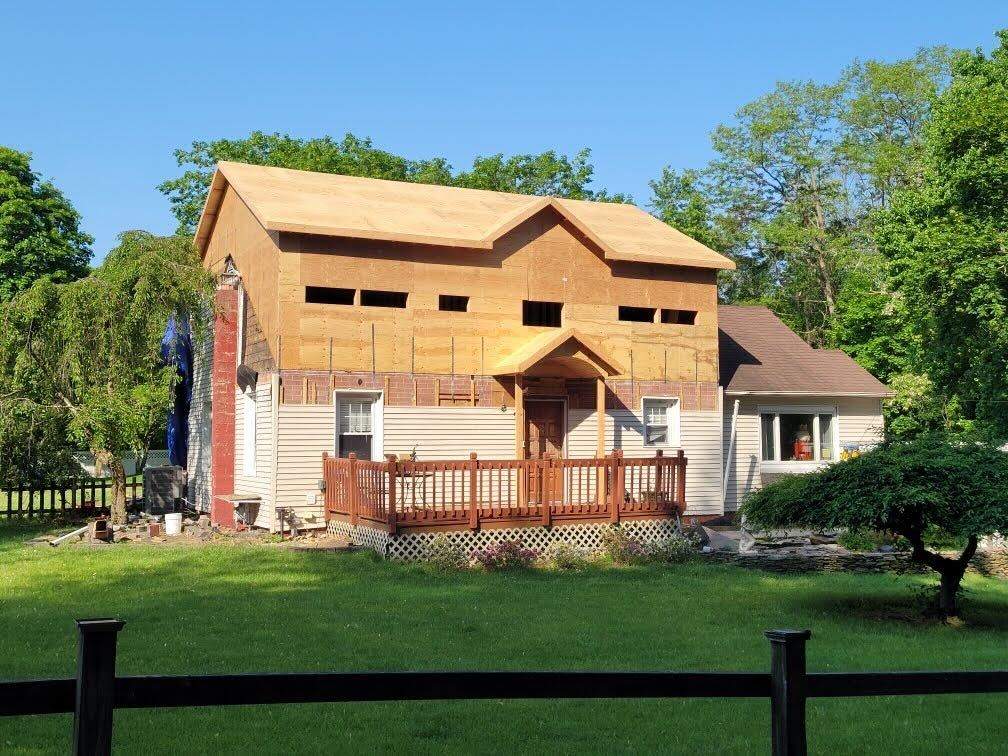
Adding more space to your home is an exciting investment that can improve your lifestyle, increase property value, and provide room for your family’s future needs. However, a building addition is a major construction project that requires careful planning and informed decision-making. Without proper preparation, homeowners may encounter unexpected expenses, delays, or design issues that affect the final result. Working with an experienced Building Addition Specialist is one of the best ways to avoid these common mistakes and ensure a successful project from start to finish.
Whether you are planning a new bedroom, home office, family room, or kitchen expansion, understanding the most common planning mistakes can help you make better decisions and protect your investment.
Mistake 1: Starting Without Clear Goals
One of the biggest mistakes homeowners make is beginning a project without defining exactly what they want to achieve.
Before construction begins, ask yourself:
- Why do I need more space?
- Which rooms need to be added?
- What problems am I trying to solve?
- How will my family’s needs change in the future?
A clear vision helps your Building Addition Specialist create a design that meets both your current and long-term goals.
Mistake 2: Setting an Unrealistic Budget
Many homeowners underestimate the total cost of a building addition.
Besides construction, expenses may include:
- Design services
- Permit fees
- Engineering
- Utility upgrades
- Interior finishes
- Landscaping
- Unexpected repairs
Establishing a realistic budget with a contingency fund helps reduce financial stress throughout the project.
Professional planning ensures you understand the complete scope of the investment before work begins.
Mistake 3: Hiring the Wrong Contractor
Choosing a contractor based solely on the lowest price can lead to costly problems later.
An experienced Building Addition Specialist offers:
- Proven construction experience
- Proper licensing
- Insurance coverage
- Knowledge of local building codes
- Quality workmanship
- Strong project management
Taking time to research qualifications and review previous projects can help you select the right professional.
Mistake 4: Ignoring Local Building Codes
Every city and municipality has building regulations that must be followed.
Ignoring these requirements can result in:
- Construction delays
- Failed inspections
- Fines
- Costly modifications
- Legal issues
A qualified specialist understands local permit requirements and ensures the project complies with all applicable building codes.
Mistake 5: Failing to Plan for the Future
Many homeowners design additions based only on their current lifestyle.
However, your needs may change over time.
Consider future possibilities such as:
- Growing children
- Aging parents
- Remote work
- Long-term guests
- Home businesses
Planning ahead creates a more flexible living space that continues to serve your family for many years.
Mistake 6: Overlooking Storage Needs
Additional living space is valuable, but storage should never be overlooked.
Without proper planning, homeowners often end up with larger rooms that still feel cluttered.
Consider including:
- Walk-in closets
- Built-in shelving
- Pantry storage
- Mudrooms
- Utility closets
A Building Addition Specialist can incorporate smart storage solutions into the overall design without sacrificing living space.
Mistake 7: Choosing Style Over Function
Beautiful designs are important, but functionality should always come first.
A room that looks impressive but doesn’t support your daily routine may become frustrating over time.
Focus on features that improve everyday living, such as:
- Efficient layouts
- Comfortable traffic flow
- Easy accessibility
- Practical storage
- Flexible room usage
Balancing style and function creates a home that is both attractive and comfortable.
Mistake 8: Ignoring Energy Efficiency
Older homes often lack modern energy-saving features.
A building addition provides an excellent opportunity to improve efficiency by installing:
- Energy-efficient windows
- Modern insulation
- LED lighting
- Smart thermostats
- High-efficiency HVAC systems
These improvements reduce utility costs while increasing year-round comfort.
Mistake 9: Underestimating the Timeline
Many homeowners expect construction to finish faster than realistically possible.
Building additions involve multiple stages, including:
- Design
- Permit approval
- Site preparation
- Foundation work
- Framing
- Utility installation
- Interior finishing
- Final inspections
Unexpected weather conditions or material shortages can also affect the schedule.
Working with a Building Addition Specialist helps establish realistic expectations and improve project coordination.
Mistake 10: Poor Communication
Successful construction projects depend on clear communication between homeowners and contractors.
Important topics to discuss include:
- Budget updates
- Design changes
- Construction progress
- Scheduling
- Material selections
Regular communication helps prevent misunderstandings and keeps the project moving smoothly.
Mistake 11: Forgetting About Resale Value
Even if you plan to stay in your home for many years, resale value should still be considered.
Features that often attract future buyers include:
- Additional bedrooms
- Home offices
- Modern kitchens
- Family rooms
- Extra bathrooms
Choosing additions with broad market appeal helps protect your investment over the long term.
Mistake 12: Not Matching the Existing Home
An addition should look like a natural extension of the original house.
Poorly matched additions may reduce curb appeal and property value.
A Building Addition Specialist carefully matches:
- Roofing
- Siding
- Windows
- Exterior colors
- Architectural details
This creates a seamless appearance that enhances the overall design of the home.
Why Professional Planning Makes a Difference
A successful building addition requires more than construction skills.
Professional planning includes:
- Property evaluation
- Customized design
- Budget management
- Permit coordination
- Quality control
- Project supervision
An experienced specialist helps identify potential problems before they become expensive mistakes.
Their expertise ensures a smoother construction process and a higher-quality final result.
Benefits of Avoiding Common Mistakes
When homeowners plan carefully, they enjoy:
- Better project organization
- Reduced construction delays
- Lower risk of unexpected expenses
- Improved functionality
- Higher property value
- Greater satisfaction with the finished addition
Proper preparation allows every part of the project to move forward more efficiently.
Conclusion
Planning a building addition is a significant investment that deserves careful attention from the very beginning. By avoiding common mistakes such as poor budgeting, unrealistic expectations, inadequate planning, and hiring inexperienced contractors, homeowners can achieve a much more successful outcome.
Working with a trusted Building Addition Specialist provides the guidance, experience, and professional oversight needed to create an addition that enhances your home’s comfort, functionality, and value. With thoughtful planning and expert construction, your building addition can become a lasting improvement that serves your family for many years.