




The Complete Guide to Planning a Successful Home Addition
Planning a home expansion is one of the most important decisions a homeowner can make when they need more space, better functionality, or increased property value. Whether you are considering a new bedroom, expanded kitchen, home office, or a full second-story addition, working with a Building Addition Specialist ensures the process is structured, efficient, and aligned with your goals.
A successful home addition doesn’t start with construction—it starts with proper planning. The more detailed and organized your plan is, the smoother your project will be from start to finish.
Why Planning Matters for Home Additions
Home additions are complex projects involving design, engineering, budgeting, permits, and construction. Without proper planning, homeowners often face:
- Budget overruns
- Delays in construction
- Design mistakes
- Permit issues
- Structural complications
A well-prepared plan helps prevent these problems and ensures every stage of the project is executed efficiently.
Step 1: Define Your Goals Clearly
Before starting any design work, you must identify exactly what you want from your home addition.
Common goals include:
- More living space for a growing family
- A dedicated home office
- Additional bedrooms or bathrooms
- Expanded kitchen or dining area
- Guest or in-law suite
- Entertainment or recreation space
Defining your goals helps guide every decision that follows, from design layout to material selection.
Step 2: Evaluate Your Property
Not every home has the same potential for expansion. A professional evaluation is essential to determine what is possible.
Key factors include:
- Available land space
- Structural integrity of the existing home
- Zoning laws and restrictions
- Setback requirements
- Utility access points
A Building Addition Specialist can assess your property and recommend the most practical expansion options based on these conditions.
Step 3: Establish a Realistic Budget
Budget planning is one of the most critical parts of the process.
A home addition budget typically includes:
- Design and architectural fees
- Construction materials
- Labor costs
- Permits and inspections
- Electrical and plumbing work
- Interior finishing
- Contingency funds
It is always recommended to set aside additional funds for unexpected expenses that may arise during construction.
A clear budget ensures your project stays financially manageable from start to finish.
Step 4: Design the Layout
Once goals and budget are defined, the design phase begins.
This stage includes creating:
- Floor plans
- Room layouts
- Structural drawings
- Electrical plans
- Plumbing layouts
The design must ensure that the new addition blends seamlessly with the existing structure while maximizing functionality and comfort.
Good design also improves natural lighting, space utilization, and overall flow of the home.
Step 5: Obtain Necessary Permits
Before construction can begin, you must secure the required permits from local authorities.
Depending on your project, permits may include:
- Building permits
- Electrical permits
- Plumbing permits
- HVAC permits
- Zoning approvals
Permit requirements vary by location, but they are essential for ensuring your project meets safety and legal standards.
An experienced contractor typically handles this process to avoid delays or errors.
Step 6: Choose the Right Contractor
Selecting the right professional is one of the most important decisions in your home addition journey.
A qualified contractor should have:
- Proven experience in home additions
- Proper licensing and insurance
- Strong client reviews
- A portfolio of completed projects
- Transparent communication
- Detailed cost estimates
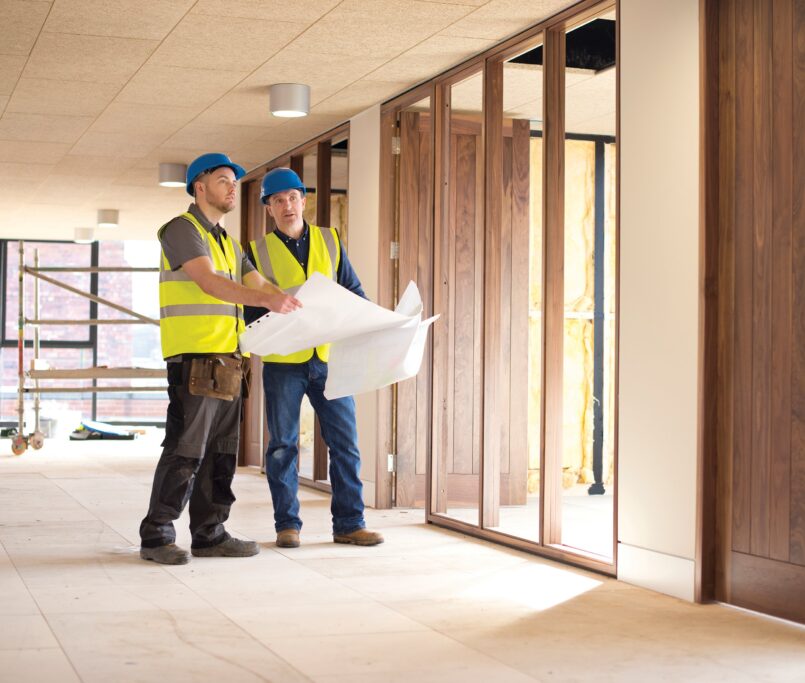
Working with a reliable Building Addition Specialist ensures your project is managed professionally from start to finish.
Step 7: Create a Construction Timeline
A clear timeline helps set expectations and keeps the project organized.
A typical home addition timeline includes:
- Planning and design phase
- Permit approval process
- Site preparation
- Foundation work
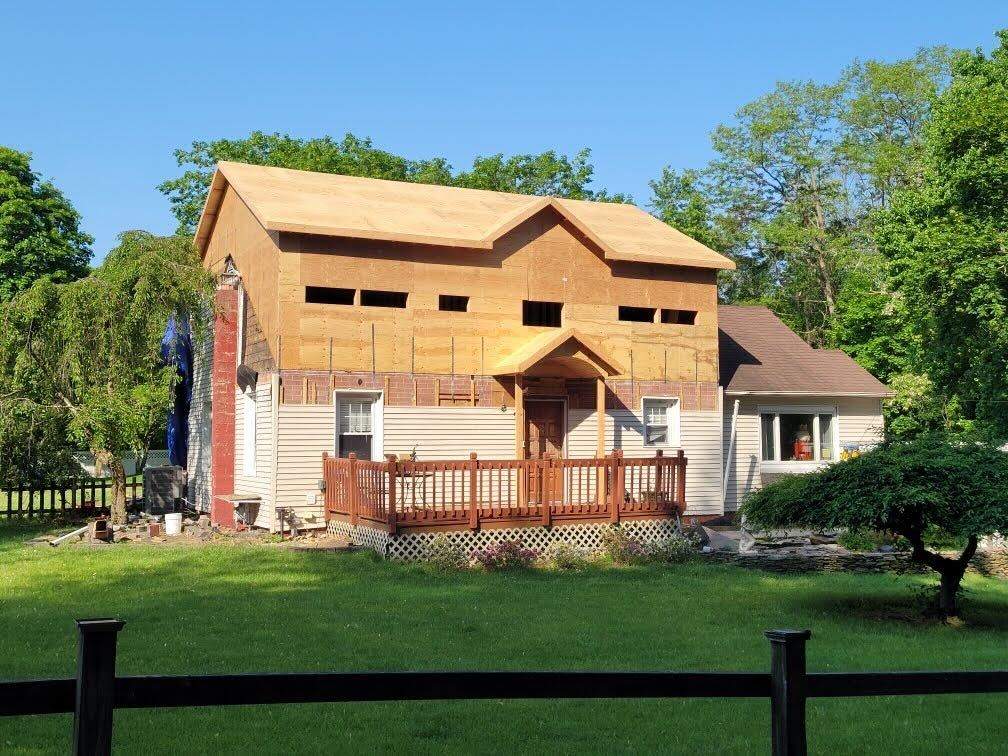
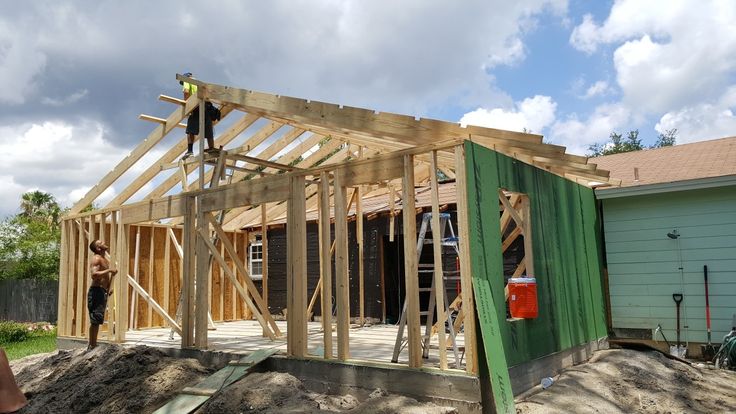
- Framing and structural build
- Mechanical installations
- Interior and exterior finishing
- Final inspections
While timelines vary depending on project size, having a structured schedule helps avoid unnecessary delays.
Step 8: Prepare Your Home for Construction
Before construction begins, homeowners should prepare their property for the upcoming work.
This may involve:
- Clearing the construction area
- Protecting furniture and valuables
- Setting up temporary living arrangements if needed
- Discussing access points for workers
- Planning for noise and disruption
Proper preparation helps minimize inconvenience during the construction phase.
Step 9: Monitor Progress Regularly
Even with a professional contractor, it is important for homeowners to stay involved.
Regular monitoring allows you to:
- Track progress
- Ensure quality standards are met
- Address concerns early
- Stay informed about schedule updates
Good communication between the homeowner and contractor leads to better project outcomes.
Step 10: Final Inspection and Completion
Once construction is complete, a final walkthrough is conducted.
During this stage, you will:
- Inspect all completed work
- Test fixtures and systems
- Review finishes and details
- Identify any final adjustments
After all corrections are made, the project is officially completed and ready for use.
Benefits of Proper Planning
A well-planned home addition offers several long-term advantages:
- Fewer construction delays
- Better budget control
- Higher quality results
- Improved design efficiency
- Increased property value
- Greater homeowner satisfaction
Proper planning ensures that your investment delivers maximum value both now and in the future.
Common Mistakes to Avoid
Homeowners should be aware of common mistakes such as:
- Starting without a clear budget
- Ignoring zoning restrictions
- Hiring unqualified contractors
- Poor space planning
- Underestimating project timelines
Avoiding these mistakes can save both time and money while ensuring a smoother construction experience.
Conclusion
A successful home addition begins long before construction starts. Careful planning, clear goals, realistic budgeting, and the right professional support all play essential roles in achieving the desired outcome.
By working with an experienced Building Addition Specialist, homeowners can ensure their project is designed and executed with precision. The result is a well-planned, beautifully integrated addition that enhances comfort, functionality, and long-term property value for years to come.