




How a General Contractor Ensures a Smooth Building Addition Process
Expanding your home is an exciting opportunity to create more living space, improve functionality, and increase property value. Whether you’re adding a new bedroom, extending your kitchen, building a home office, or creating an in-law suite, a successful project requires careful planning and professional management. This is why many homeowners choose to work with a Building Addition Specialist and an experienced general contractor. A general contractor plays a vital role in coordinating every aspect of the construction process, ensuring the project stays on schedule, within budget, and meets quality standards.
Home additions involve numerous moving parts, including design, permits, materials, subcontractors, inspections, and construction management. Without proper coordination, even a simple addition can become complicated. A skilled general contractor helps streamline the entire process, reducing stress for homeowners while delivering professional results.
Understanding the Role of a General Contractor
A general contractor serves as the primary manager of a construction project. They oversee all phases of the addition and coordinate the various professionals involved.
Their responsibilities often include:
- Project planning
- Budget management
- Scheduling
- Hiring subcontractors
- Material procurement
- Permit coordination
- Quality control
- Final project inspection
By acting as the central point of communication, a general contractor ensures that every aspect of the project works together efficiently.
Starting with Detailed Planning
Every successful home addition begins with a comprehensive plan.
Before construction starts, the contractor works closely with homeowners to understand:
- Project goals
- Space requirements
- Design preferences
- Budget expectations
- Timeline objectives
This planning phase helps identify potential challenges before they become costly problems.
Proper planning also allows contractors to develop realistic schedules and establish clear expectations for everyone involved.
Coordinating Design and Construction
A home addition requires a balance between design and functionality.
General contractors work with architects, designers, and engineers to ensure the proposed addition:
- Matches the existing structure
- Meets building code requirements
- Supports long-term functionality
- Fits within the project budget
Their involvement during the design phase helps prevent issues that could otherwise cause delays during construction.
This collaborative approach ensures the final design is both practical and visually appealing.
Managing Permits and Approvals
One of the most important responsibilities of a general contractor is navigating local permit requirements.
Home additions often require approvals related to:
- Structural modifications
- Electrical systems
- Plumbing installations
- HVAC changes
- Zoning regulations
Permit applications can be complex and time-consuming for homeowners unfamiliar with local regulations.
General contractors understand these requirements and manage the approval process efficiently, helping avoid delays and compliance issues.
Developing a Realistic Budget
Budget management is critical to the success of any construction project.
An experienced contractor prepares a detailed estimate that includes:
- Labor costs
- Building materials
- Permit fees
- Equipment expenses
- Subcontractor services
- Finishing materials
Accurate budgeting helps homeowners understand project costs and reduces the likelihood of unexpected financial surprises.
Contractors also help identify cost-effective solutions that maintain quality without exceeding budget limitations.
Scheduling Every Phase of Construction
Timing is one of the most challenging aspects of managing a home addition.
Numerous tasks must be completed in the correct sequence, including:
- Site preparation
- Foundation work
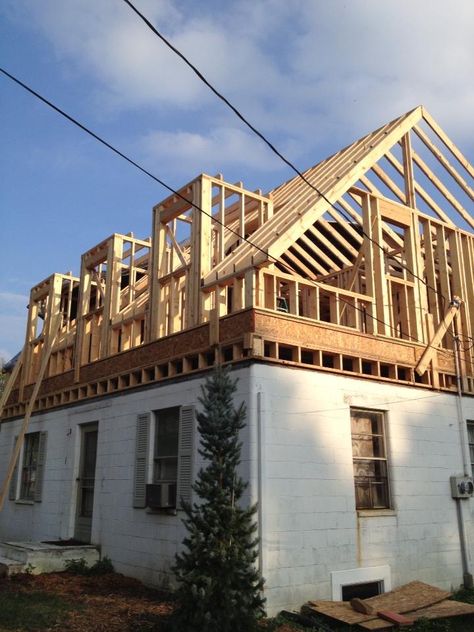
- Framing
- Electrical installation
- Plumbing installation
- HVAC work
- Inspections
- Finishing work
A general contractor develops a construction schedule that coordinates all these activities.
Effective scheduling minimizes downtime and ensures workers can complete their tasks efficiently.
Hiring Qualified Subcontractors
Most home additions require multiple specialized trades.
General contractors typically maintain relationships with trusted professionals such as:
- Electricians
- Plumbers
- Roofers
- HVAC technicians
- Carpenters
- Painters
- Flooring installers
Because they work with these professionals regularly, contractors can assemble reliable teams capable of producing high-quality work.
This network of skilled subcontractors contributes significantly to project success.
Ensuring Quality Workmanship
Quality construction is essential for both homeowner satisfaction and long-term property value.
General contractors continuously monitor work to ensure:
- Proper construction techniques
- Material quality
- Structural integrity
- Code compliance
- Design accuracy
Regular oversight helps identify and correct issues before they become larger problems.
This commitment to quality results in additions that are durable, attractive, and built to last.
Solving Problems Efficiently
Unexpected challenges are common during construction projects.
Examples may include:
- Weather delays
- Material shortages
- Structural surprises
- Permit complications
- Design adjustments
Without professional management, these issues can cause significant delays and frustration.
Experienced contractors anticipate potential problems and develop practical solutions quickly, helping keep the project moving forward.
Their ability to adapt is one of the reasons professional project management is so valuable.
Maintaining Clear Communication
Effective communication is one of the most important factors in a smooth construction experience.
A general contractor keeps homeowners informed regarding:
- Project progress
- Schedule updates
- Budget changes
- Inspection results
- Construction milestones
Regular communication helps prevent misunderstandings and allows homeowners to make informed decisions throughout the project.
Knowing what is happening at each stage reduces uncertainty and builds confidence in the process.
Managing Safety on the Job Site
Construction sites contain numerous hazards that require careful oversight.
General contractors implement safety measures such as:
- Protective equipment requirements
- Secure work zones
- Proper tool usage
- Material handling procedures
- Compliance with safety regulations
Maintaining a safe work environment protects workers, homeowners, and visitors while reducing the risk of accidents.
Safety management is an essential part of professional construction services.
Coordinating Inspections
Throughout the project, local inspectors evaluate various stages of construction.
These inspections may cover:
- Foundations
- Structural framing
- Electrical systems
- Plumbing systems
- HVAC installations
General contractors coordinate inspection schedules and ensure all work complies with local building codes.
Successful inspections help keep the project on track while protecting the homeowner’s investment.
Delivering the Finished Project
As construction nears completion, the contractor oversees final details and quality checks.
This stage includes:
- Final finishes
- Fixture installation
- Touch-up work
- Cleaning
- Final inspections
Before project completion, homeowners typically participate in a walkthrough to review the finished addition and address any remaining concerns.
The goal is to ensure complete satisfaction with the final result.
Benefits of Hiring a General Contractor
Homeowners who hire experienced contractors often enjoy several advantages:
- Reduced stress
- Better project organization
- Professional workmanship
- Faster completion times
- Improved communication
- Stronger quality control
- Greater budget accuracy
- Code-compliant construction
These benefits contribute to a smoother and more successful building addition experience.
Conclusion
A home addition is a major investment that requires careful coordination, expert management, and professional execution. From planning and permits to scheduling, quality control, and final inspections, a general contractor plays a crucial role in ensuring every phase of the project runs smoothly.
By partnering with an experienced Building Addition Specialist and qualified general contractor, homeowners can avoid common construction challenges while achieving the additional space they need. The result is a well-built addition that enhances comfort, functionality, and long-term property value while providing peace of mind throughout the construction process.