




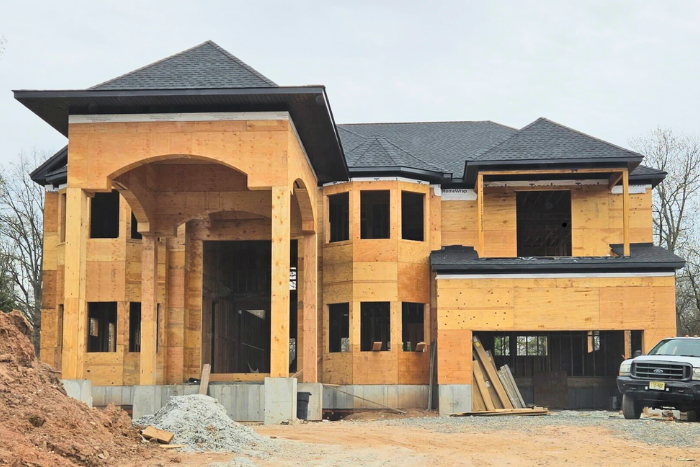
The Cost of Home Additions: Budgeting Tips for a Seamless Expansion
Adding to your home is a smart way to increase your living area, but the expenses can rise fast. Thoughtful money planning keeps your plan on course without losing good standards. In this write-up, we’ll review the main aspects that affect the price of home add-ons and suggest sensible money managing advice to aid home addition services in Woodbridge Township.
Understanding the Costs
When planning a home addition, several cost factors come into play:
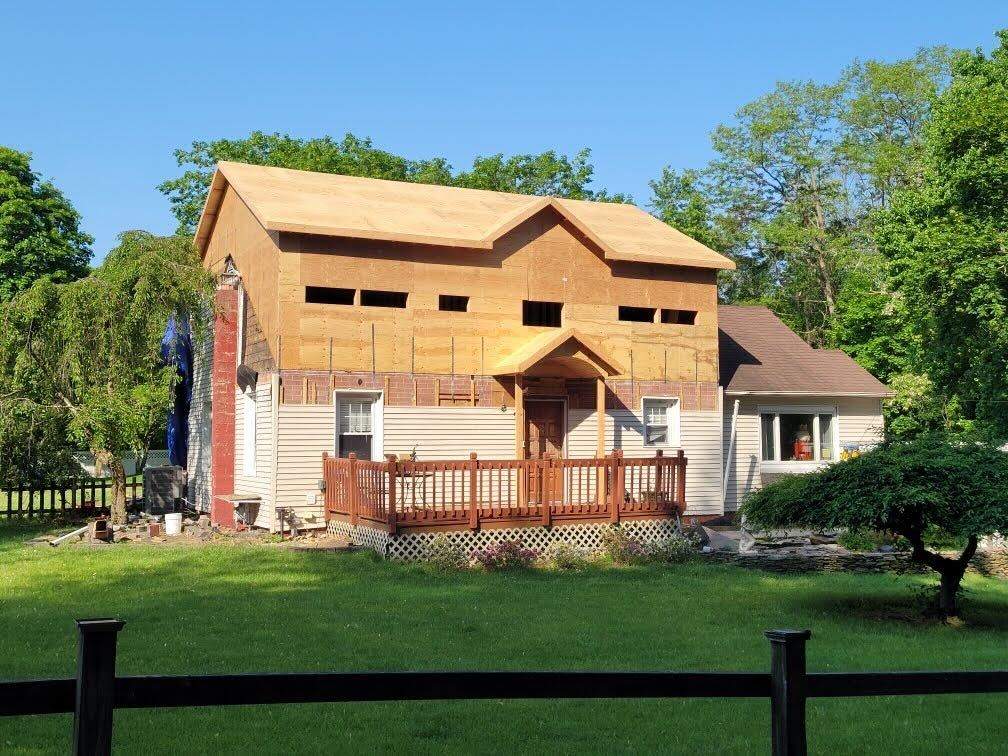
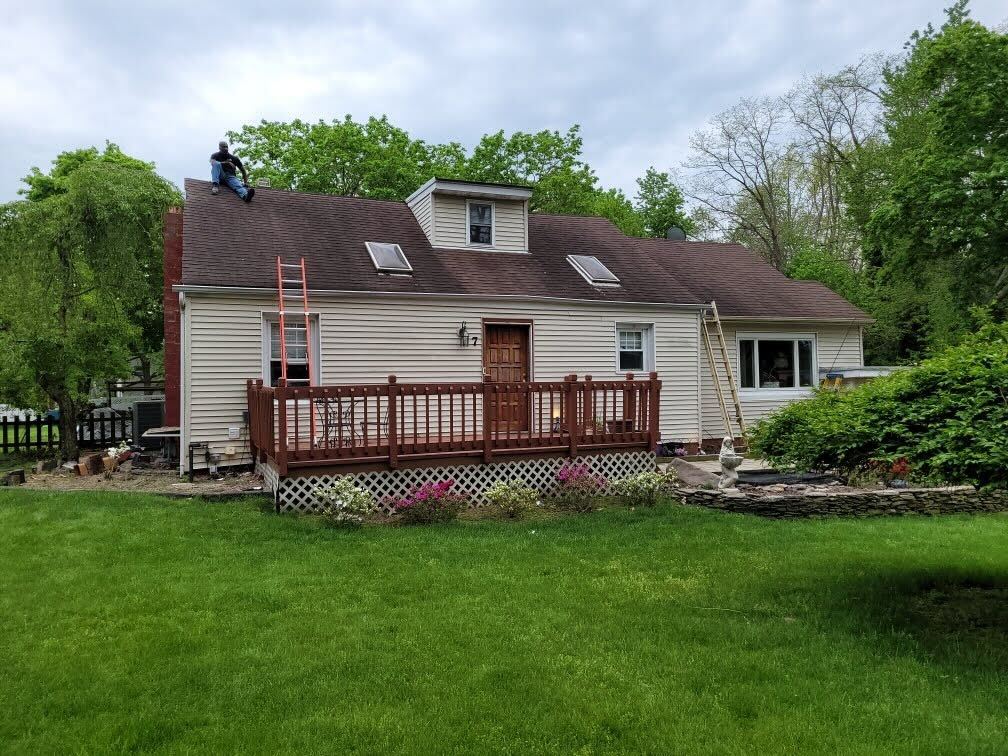
- Size and Scope: The larger and more complex the addition, the higher the cost. For instance, adding a simple bedroom will cost less than building a second-story addition or extending your kitchen.
- Materials and Finishes: The choice of materials significantly impacts the budget. High-end finishes and custom-built features add elegance but can be more expensive. Consider alternatives like mid-range materials that offer durability without breaking the bank.
- Labor Costs: Skilled labor is essential for a successful home addition. Costs vary depending on the complexity of the work and the experience of the contractors. It’s crucial to hire professionals with a proven track record, even if it means paying a bit more.
- Permits and Regulations: Securing the necessary permits is a crucial step. Permit costs vary depending on the location and the type of addition. Additionally, local building codes might require specific upgrades, which can increase overall expenses.
- Unexpected Expenses: Every project has the potential for unexpected costs, such as dealing with structural issues or changing plans midway through. Setting aside a contingency fund of about 10-20% of your total budget can help you manage these surprises.
Budgeting Tips
- Set a Realistic Budget: Start by estimating the overall cost of the addition, considering all factors mentioned above. Research similar projects in Woodbridge Township to get a rough idea. Once you have an estimate, add a buffer for unexpected costs.
- Prioritize Your Needs: Determine the most critical aspects of your addition. Whether it’s extra living space or a luxurious bathroom, knowing your priorities helps you allocate funds effectively.
- Obtain Multiple Quotes: Don’t settle for the first contractor you meet. Obtain multiple quotes to compare prices, but also consider the reputation and experience of the contractors. The cheapest option might not always be the best.
- Choose Cost-Effective Materials: While it might be tempting to go for premium materials, there are often more affordable options that offer similar durability and aesthetics. For example, laminate flooring can mimic the look of hardwood at a fraction of the cost.
- DIY Where Possible: If you’re handy, consider doing some of the simpler tasks yourself, like painting or landscaping. This can save money on labor costs.
- Stay Flexible: If costs start to exceed your budget, be prepared to make adjustments. This could mean scaling back on certain features or choosing less expensive finishes.
- Monitor Progress Closely: Regularly check in on the progress and spending to ensure the project stays within budget. Address any issues immediately to avoid escalating costs.
Conclusion
Planning your budget for a home extension is all about syncing your dreams with your actual budget. Knowing the expenses and heeding budget advice lets people in Woodbridge Township create smooth enhancements. These improvements uplift their homes’ worth and practicality. Through thoughtful preparation and wise choices, your home expansion project can become a fruitful venture.