




What to Expect During a Home Addition Construction Project
A home addition is one of the most effective ways to increase living space, improve functionality, and boost property value without relocating. Whether you’re planning to add a bedroom, expand your kitchen, build a home office, or create a guest suite, understanding the construction process can help you prepare for a successful project. Working with a qualified Building Addition Specialist ensures that every phase of the project is carefully planned and professionally executed, minimizing delays and helping you achieve the results you envision.
Many homeowners are excited about adding space to their homes but are unsure about what happens during the construction process. Knowing what to expect before work begins can reduce stress and help you make informed decisions throughout the project.
Initial Consultation and Project Evaluation
The first step in any home addition project is the initial consultation.
During this phase, the contractor will evaluate your property, discuss your goals, and determine the feasibility of the addition. This meeting allows homeowners to explain their vision while professionals provide recommendations based on the home’s structure, available space, and local building requirements.
Topics often discussed include:
- Desired room size
- Project budget
- Design preferences
- Timeline expectations
- Property limitations
- Future needs
The information gathered during this stage forms the foundation for the entire project.
Design and Planning Phase
Once the project goals are established, the design process begins.
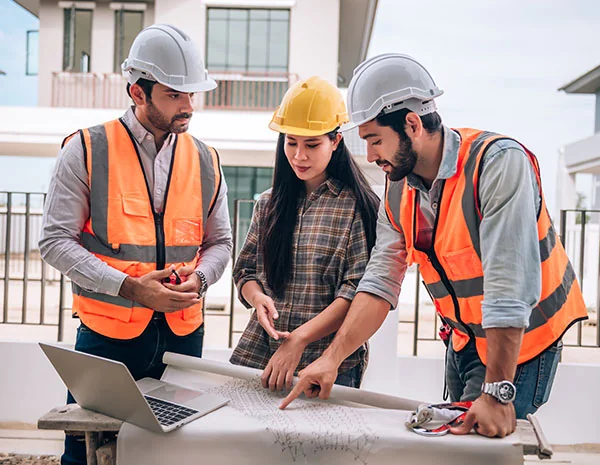
Detailed plans are created to show how the addition will connect to the existing structure. These plans typically include:
- Floor layouts
- Structural details
- Exterior elevations
- Electrical plans
- Plumbing requirements
- HVAC considerations
The goal is to ensure the new addition blends seamlessly with the existing home while meeting both functional and aesthetic expectations.
Proper planning is one of the most important factors in a successful construction project.
Budget Development
After the design is finalized, a detailed budget is prepared.
The budget generally includes:
- Construction materials
- Labor costs
- Permit fees
- Utility modifications
- Finishing materials
- Project management expenses
A clear budget helps homeowners understand the financial investment required and reduces the likelihood of unexpected expenses later in the process.
Professional contractors often provide itemized estimates so homeowners can see where their money is being allocated.
Permits and Approvals
Before construction begins, the necessary permits must be obtained.
Permit requirements vary by location but may involve:
- Structural approvals
- Zoning compliance
- Electrical permits
- Plumbing permits
- HVAC permits
Local authorities review plans to ensure the addition complies with building codes and safety standards.
While the permit process can take time, it is an essential step that protects both homeowners and future property value.
Experienced contractors typically manage this process on behalf of the homeowner.
Site Preparation
Once permits are approved, construction can officially begin.
The first construction phase involves preparing the work area.
Site preparation may include:
- Clearing landscaping
- Marking utility lines
- Installing temporary barriers
- Protecting existing structures
- Delivering materials
Contractors also establish safety procedures to protect workers, homeowners, and visitors throughout the project.
At this stage, homeowners may notice increased activity around the property as crews begin preparing for construction.
Foundation Construction
Most ground-level additions require a new foundation.
Depending on the design, the foundation may involve:
- Concrete slabs
- Crawl spaces
- Basement extensions
- Footings
The foundation serves as the structural base of the addition and must be completed according to engineering specifications.
Once the foundation is poured, it must cure properly before additional construction can proceed.
This phase is critical because it directly affects the stability and longevity of the addition.
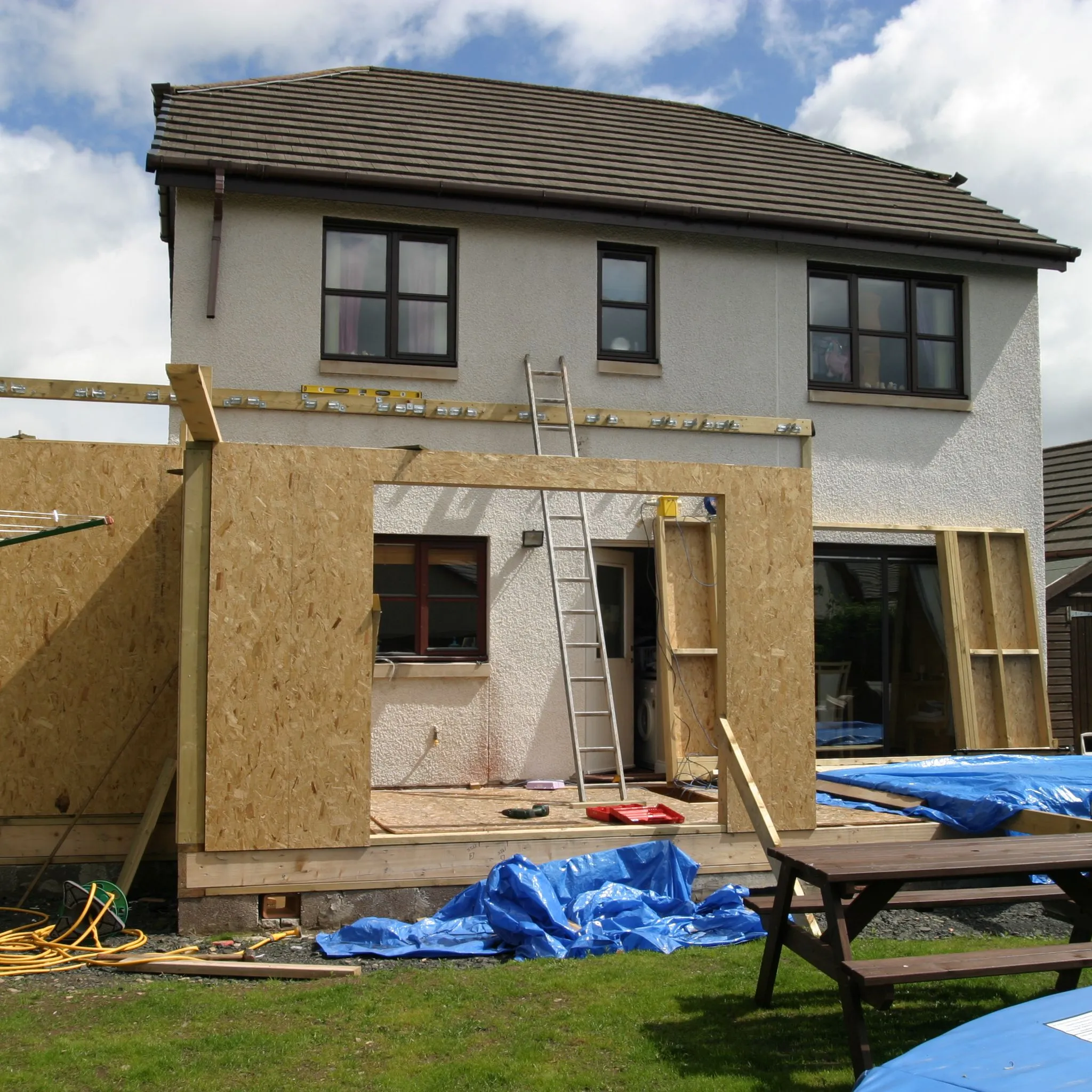
Framing the Structure
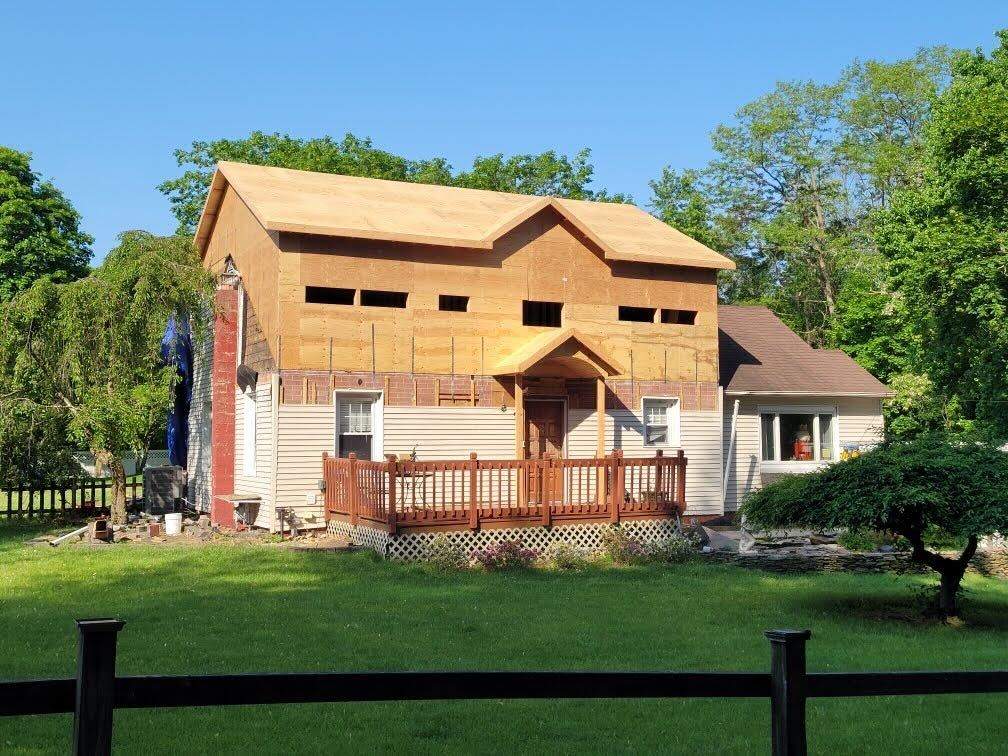
After the foundation is completed, framing begins.
Framing creates the structural skeleton of the new addition, including:
- Walls
- Floors
- Roof structures
- Window openings
- Door openings
This stage often brings the most visible progress, as homeowners can begin to see the shape and size of the new space.
The framing process establishes the overall layout and prepares the structure for mechanical systems and interior finishes.
Installation of Mechanical Systems
Once framing is complete, contractors install the home’s essential systems.
These may include:
Electrical Systems
Electricians install wiring, outlets, switches, lighting fixtures, and electrical panels.
Plumbing Systems
Plumbers add water supply lines, drainage systems, and plumbing fixtures if the addition includes bathrooms, kitchens, or laundry areas.
HVAC Systems
Heating and cooling components are extended or modified to serve the new space.
Proper installation of these systems is essential for safety, comfort, and long-term performance.
Inspections
Throughout the construction process, local inspectors review various stages of the project.
Inspections may occur after:
- Foundation work
- Framing completion
- Electrical installation
- Plumbing installation
- HVAC installation
These inspections verify compliance with local building codes and ensure the project meets required safety standards.
Passing inspections allows construction to move forward to the next phase.
Interior and Exterior Finishing
After inspections are completed, finishing work begins.
Interior finishes often include:
- Drywall installation
- Painting
- Flooring
- Trim work
- Cabinet installation
- Fixture installation
Exterior work may involve:
- Roofing
- Siding
- Windows
- Doors
- Gutters
- Exterior painting
This phase transforms the addition from a construction site into a finished living space.
Homeowners often find this stage especially exciting because the final design becomes visible.
Final Walkthrough
Before project completion, contractors perform a final walkthrough with the homeowner.
During this inspection, both parties review:
- Completed work
- Finishes
- Fixtures
- Functionality
- Remaining adjustments
Any final corrections or touch-ups are addressed before the project is officially completed.
This step ensures homeowner satisfaction and confirms that all work meets agreed-upon standards.
How Long Does a Home Addition Take?
Project timelines vary depending on:
- Addition size
- Design complexity
- Permit approval times
- Weather conditions
- Material availability
Smaller additions may take several weeks, while larger projects can require several months.
A professional contractor can provide a realistic timeline based on the specific project scope.
Tips for Homeowners During Construction
To help the project run smoothly:
- Maintain open communication with your contractor.
- Prepare for temporary disruptions.
- Keep children and pets away from work areas.
- Review progress regularly.
- Address questions early.
- Be flexible when unexpected issues arise.
Construction projects occasionally encounter unforeseen challenges, but proper communication helps minimize complications.
Conclusion
A home addition is an exciting investment that can dramatically improve your home’s comfort, functionality, and value. Understanding each stage of the construction process helps homeowners feel more confident and prepared from planning through completion.
By working with an experienced Building Addition Specialist, you can navigate every phase of the project with greater ease and achieve a finished addition that blends seamlessly with your existing home. With careful planning, professional execution, and realistic expectations, your home addition can provide lasting benefits for many years to come.